

Before they were cards
How a different way of learning became a way of passing knowledge on.
From the first diagrams drawn during my sommelier classes in Italy to the sensory tools of my workshops, discover how a different way of learning and sharing wine came about. · learning about wine differently · wine education · sensory learning · wine tasting · wine teaching tools · sommelier training · Before they were cards From the first diagrams drawn during my sommelier classes in Italy to the sensory tools of my workshops, discover how a different way of learning and sharing wine came about. learning about wine differently wine education sensory learning wine tasting wine teaching tools sommelier training
From the first diagrams drawn during my sommelier classes in Italy to the sensory tools of my workshops, discover how a different way of learning and sharing wine came about.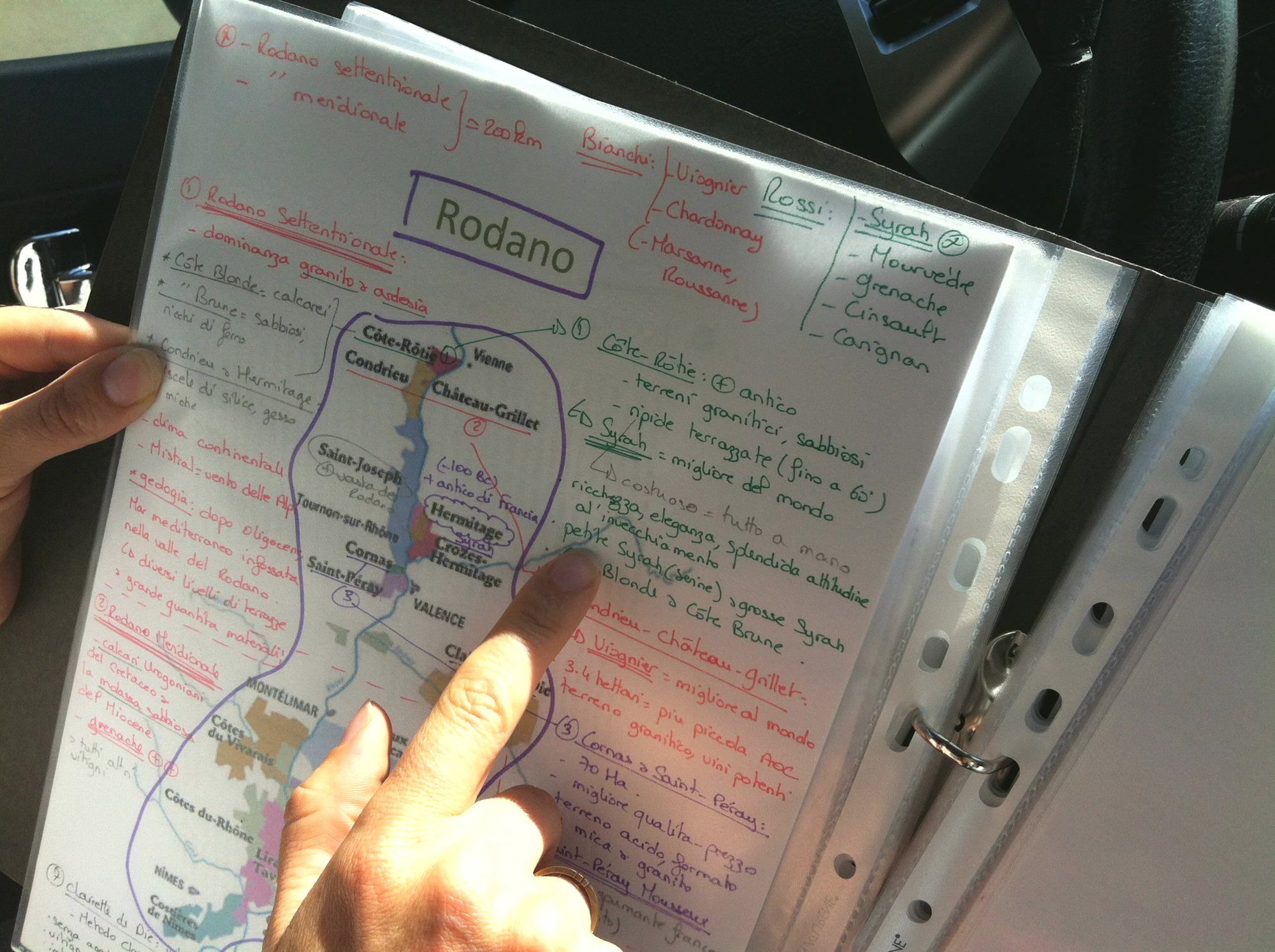
I remember those meetings with my friends during my sommelier training in Italy.
We followed the same classes. But every week, I arrived with my own study sheets: diagrams, drawings, words linked together, information organised to be understood at a glance.
They learned them, then recited them back to me. And I went over with them the notions that needed more explanation.
I had not yet finished my training and I was already imagining a different way of passing on what I was learning.
It had started almost immediately.
Learning differently
The teaching I received was of great quality. Some of it was even excellent.
But its form did not always match the way I take in and remember knowledge.
Before discovering the world of wine, I had worked in London, notably in strategy. In that world, I used infographics, diagrams and summary visuals a great deal.
Very few long texts.
My aim was to make complex information readable in a few seconds. To show the relationships between elements, the steps of a line of reasoning, influences and their consequences.
It was a working method, but also a way of thinking.
When I began my sommelier classes, I naturally fell back on this reflex.
I turned notions into images, explanations into diagrams, long descriptions into visual landmarks.
Not to reduce the richness of the content, but to organise it better in my memory.
Once the structure was understood, the details found their place more easily.
And what surprised me was that this method helped my friends too.
From the sheet of paper to the experience
Over time, the study sheets were no longer enough for me.
Wine engages the senses. Why should learning about it rely essentially on words?
I wanted people to be able to observe, handle, compare. For a notion to become an experience, sometimes an unexpected one, that they would remember.
I began gathering objects and imagining materials that could make explanations more concrete.
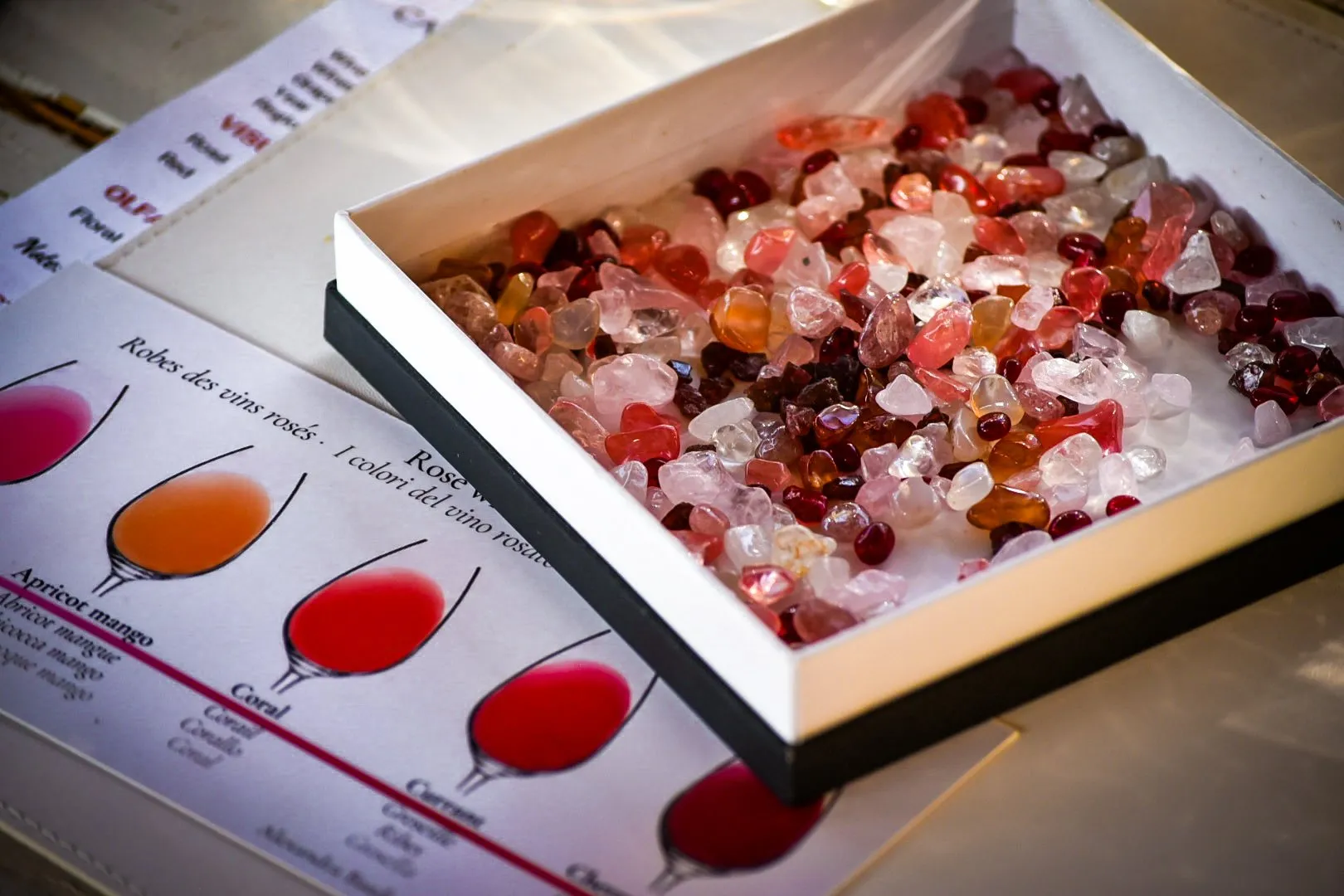
For the colours of rosé, I use quartz stones. Participants can touch them, observe their shades, then create their own colour.
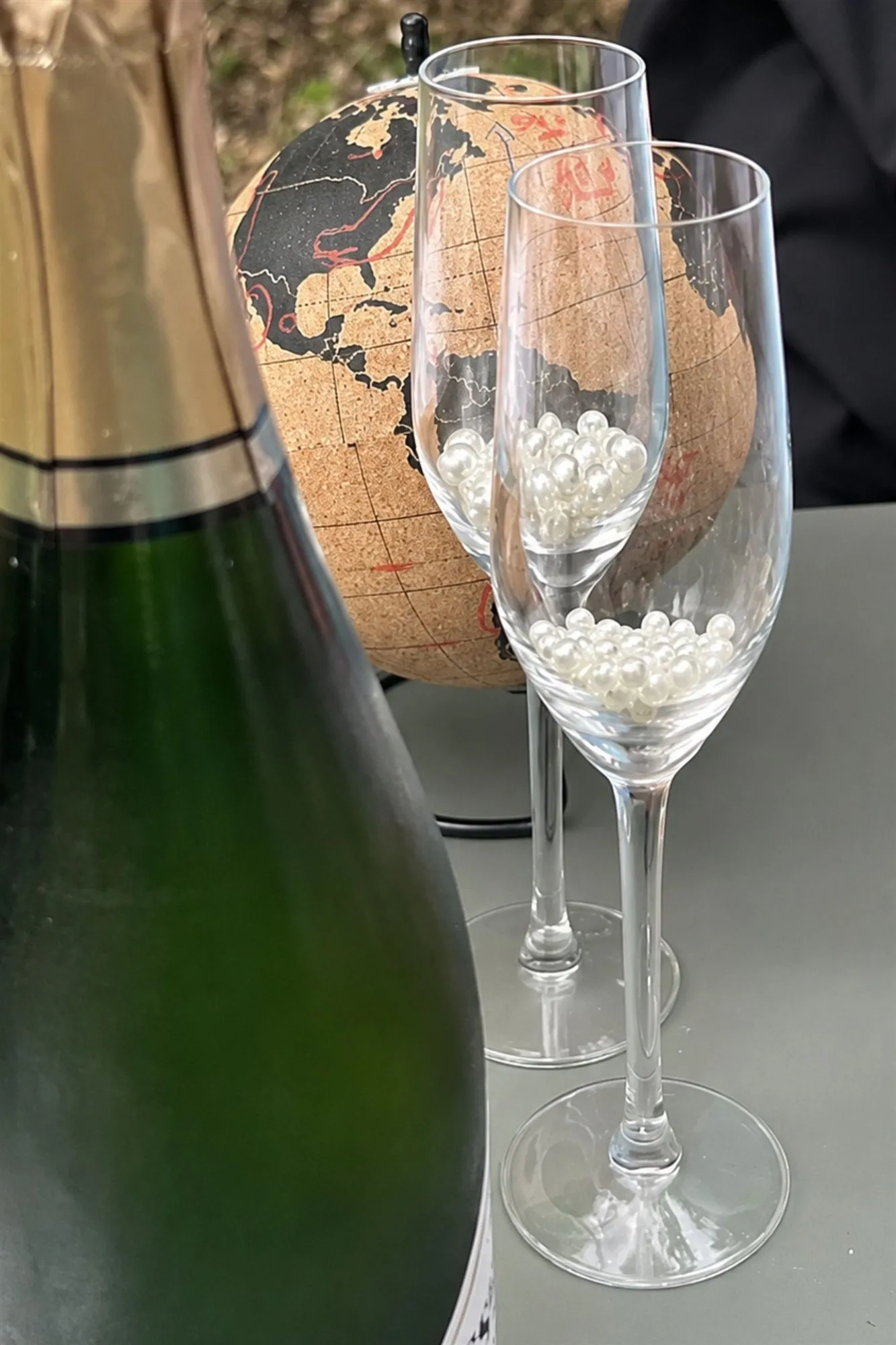
To evoke bubbles, I work with pearls of different sizes.
To discover soils, I present earths kept in vials and stones brought back from vineyards.
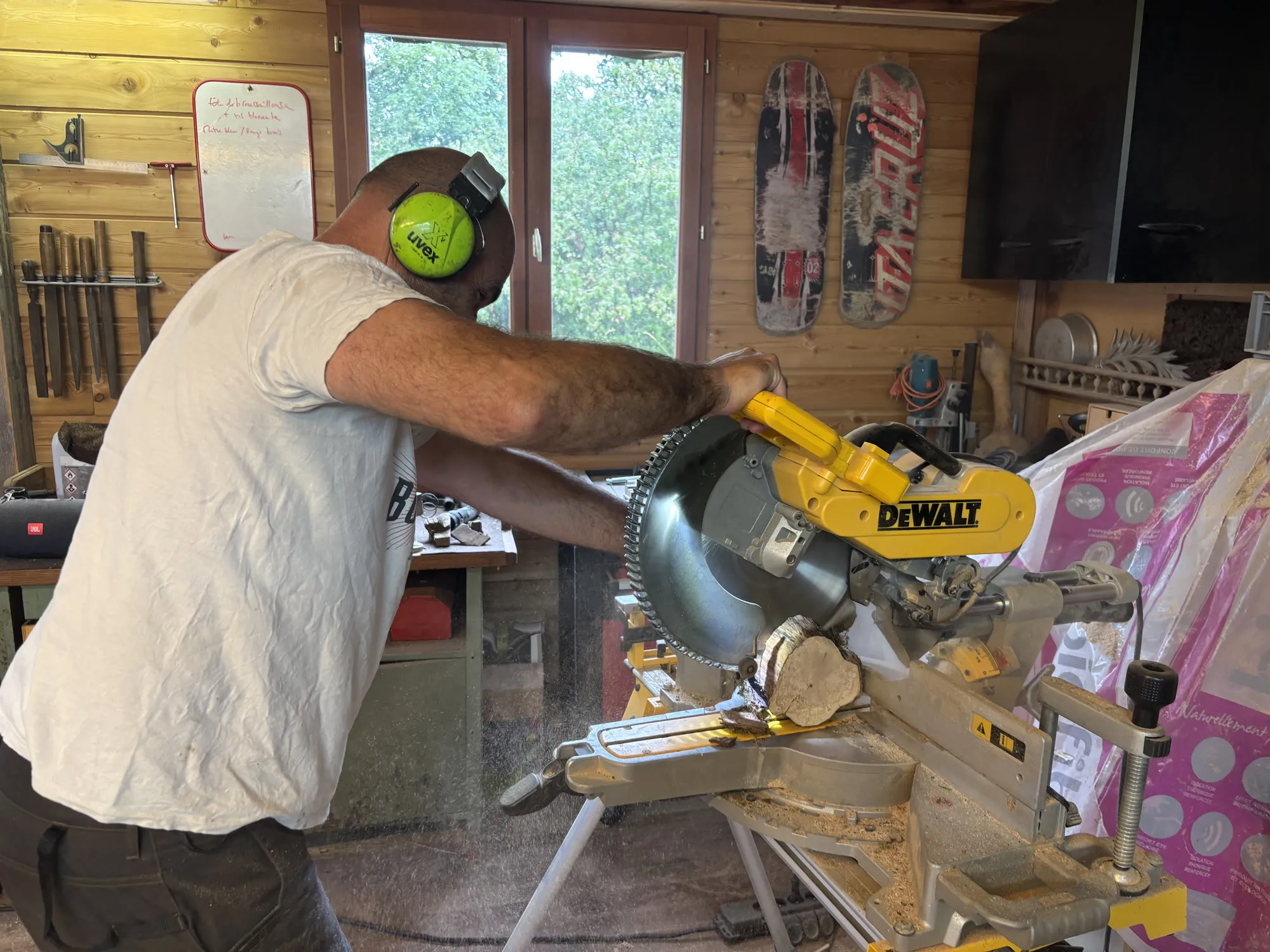
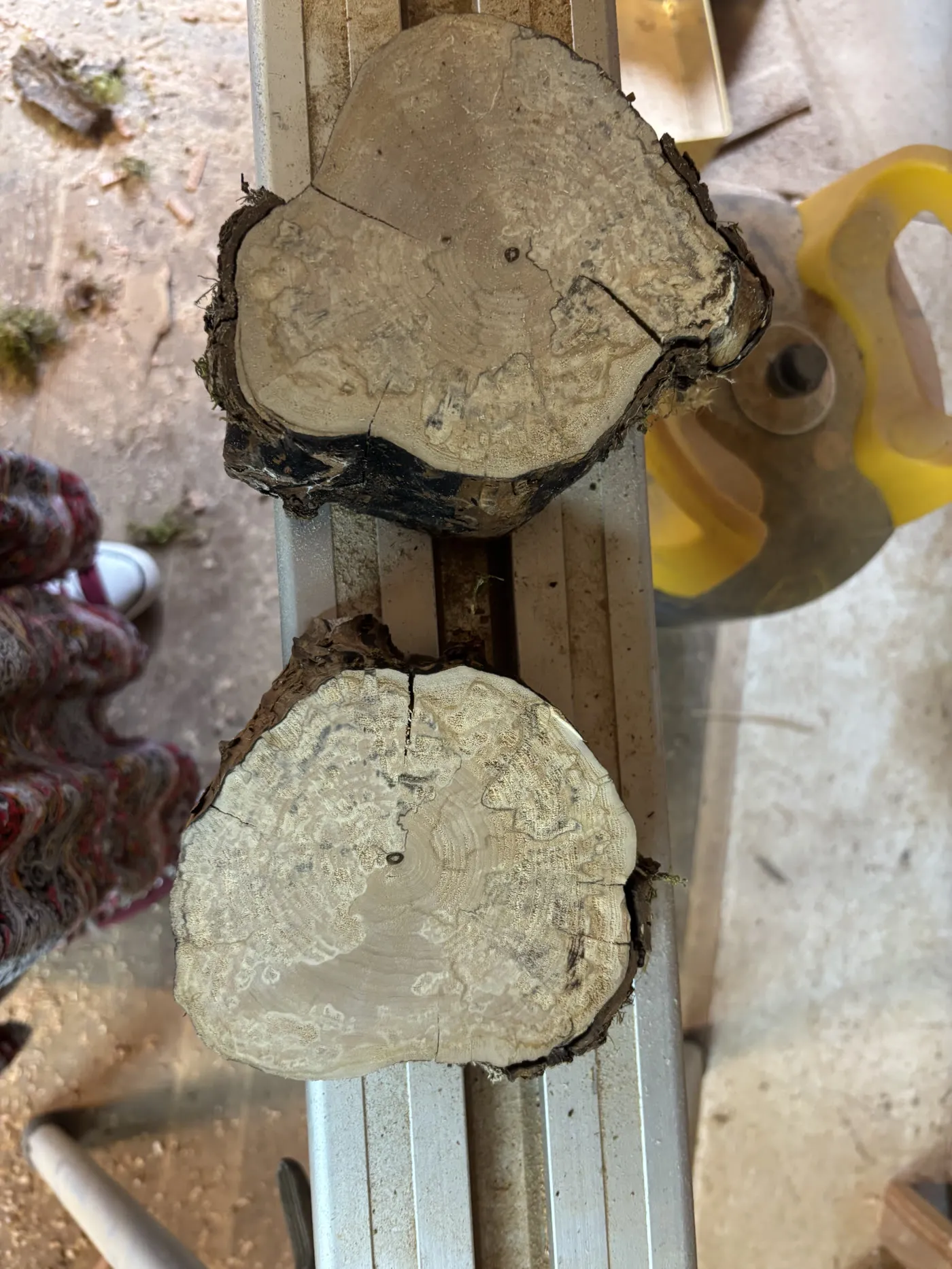
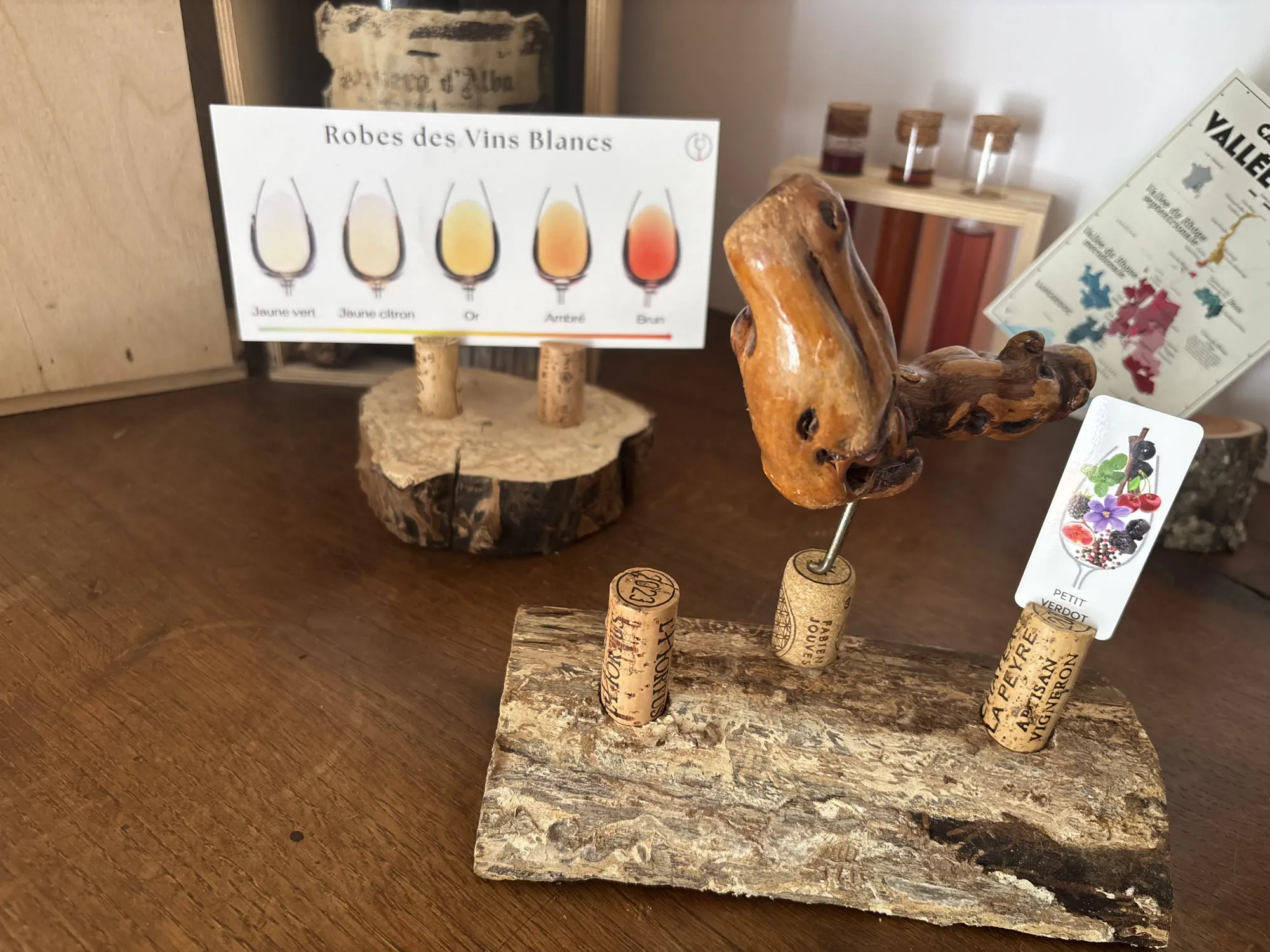
And to explore the colour of wines, I developed my own vials, whose sizes and stands I have refined over the years.
These objects are very different from one another.
But they share the same intention: allowing everyone to approach a notion by several paths.
Sight, touch, observation, comparison. And, of course, the sensations of tasting itself.
I was not trying to multiply accessories. I wanted to find the gesture or the image that would make an explanation clearer, more alive, easier to recall.
Through the tastings, these materials have evolved. Some have been enriched, others simplified. Conversations with participants led me to adjust formats, rephrase explanations and explore new approaches.
Little by little, written materials took a larger place alongside the objects.
The moment something becomes obvious
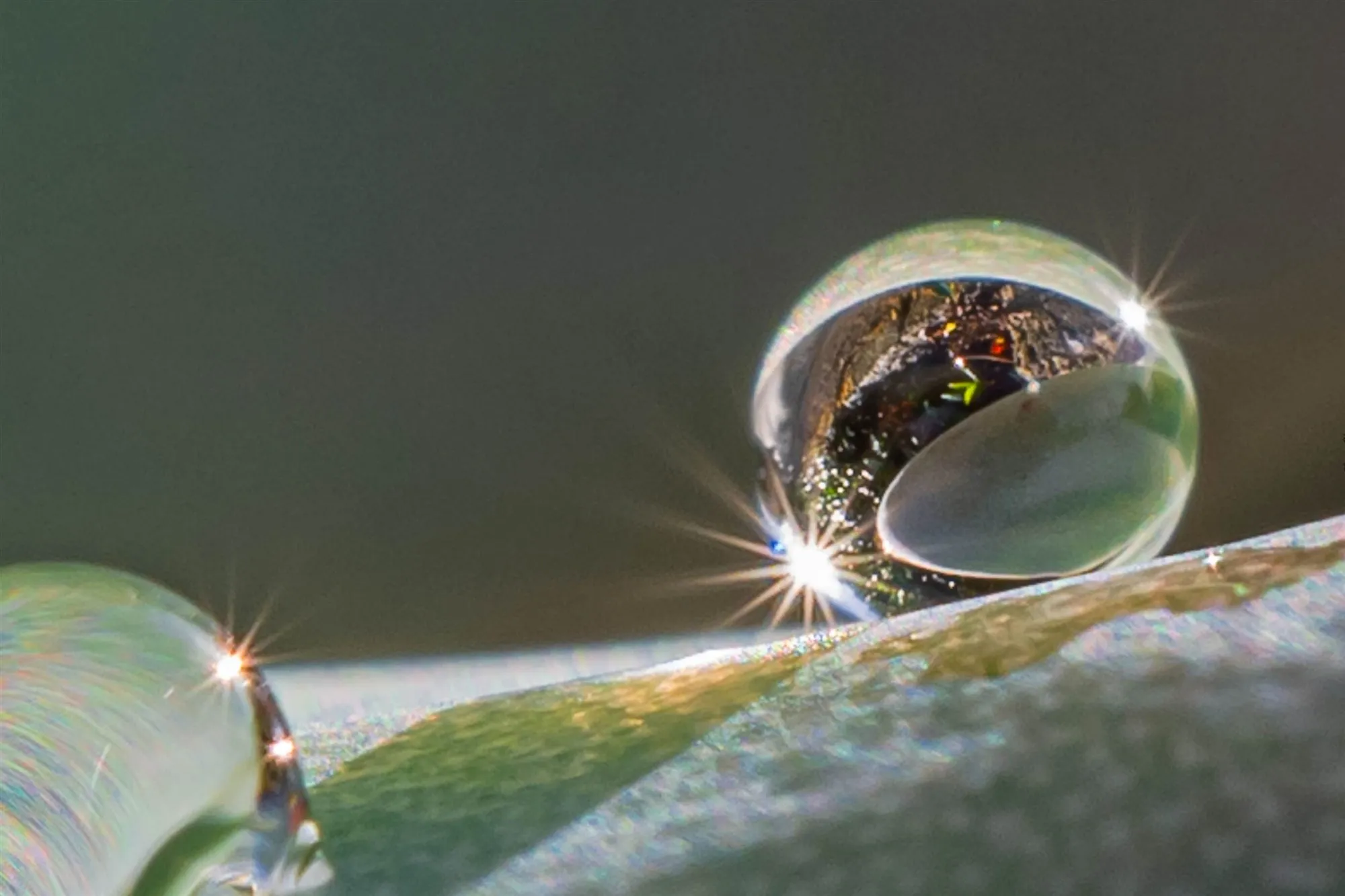
There is a particular moment in a workshop.
The moment when someone who had been hesitating begins to make connections.
They compare two colours. They recognise a difference in texture. They find on a card something mentioned a few minutes earlier.
It is not necessarily a great revelation.
Sometimes it is simply an idea that becomes obvious.
These moments touch me deeply, because they remind us that learning does not necessarily come from piling up information.
It can begin with an image, a gesture, a comparison.
And when several senses take part in the discovery, everyone can find a way in that suits them.
This does not mean that everyone learns in the same way, nor that one object is enough to shed light on a complex subject.
We always need to explain, go deeper, connect the notions to one another.
But a well-chosen material can make that path more accessible.
When the cards take on a life of their own
As my written materials developed, some participants began asking whether they could buy my cards.
The question came up again and again.
Until then, these materials had accompanied my own tastings. But why couldn’t they be used without me?
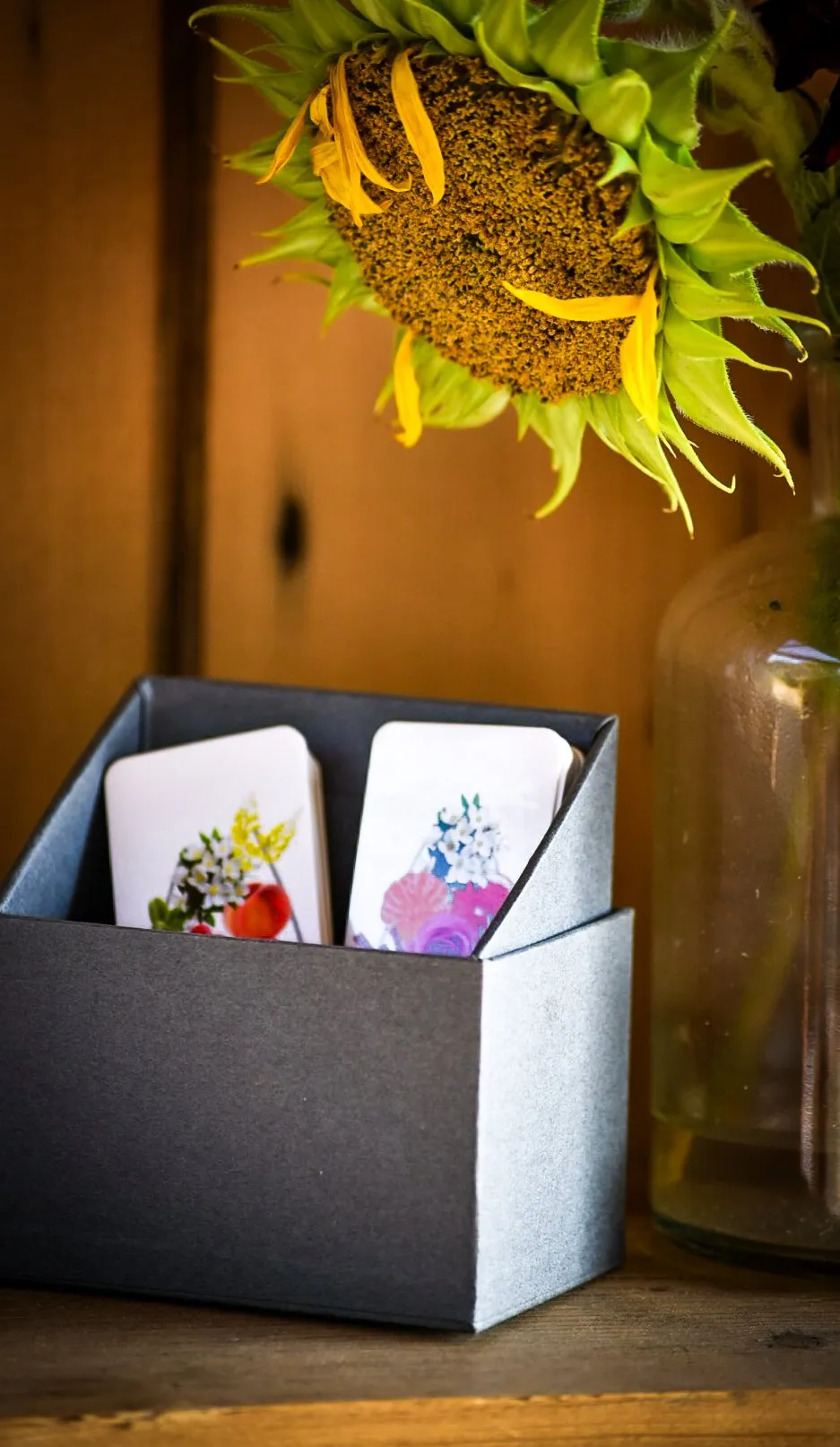
The idea gradually became a set of materials you could easily hold, take with you, consult and use in different circumstances.
On your own, to discover a notion or revise what you know.
With someone else, to compare impressions.
In a group, to talk, play, ask questions and explore wine differently.
Each card had to be clear enough to be understood without me, while still making you want to go further.
It was a new exercise in synthesis.
How do you keep information accurate without overloading the card? How do you bring words, images and landmarks together? How do you allow several levels of reading?
In the end, I found myself asking the same questions as when I was preparing my first study sheets in Italy.
But this time, the material had to be able to live its own life.
What has not changed
Between the first diagrams drawn during my sommelier classes and today’s cards, the formats have changed a great deal.
The approach, however, has stayed the same.
I believe in the richness of knowledge, but also in the importance of how it is shared.
An explanation can be perfectly accurate and still hard to remember. An image can open an understanding that a long speech had not yet sparked. An object held in the hand can prompt a question you would never have thought to ask.
It is this search that has accompanied my work since my very first weeks of training.
The cards grew out of an approach, not out of a product to design.
They came to extend a way of learning, and then of passing on, that existed long before them.
Before they were cards, they were ideas I wanted to make visible, knowledge I wanted to share and discoveries I wanted to make possible.
Alexandra Baudon · International sommelier and wine educator
The Journal letter
Once a month: new stories from the Journal, something to try at home and a little news from the workshop.
Thank you! The next letter will be waiting in your inbox.