

Beneath the vine, a living world
Roots, companion plants, animals and the winemaker’s gestures: discovering the quiet life that accompanies the vine, from earth to wine. · vineyard biodiversity · vineyard soil life · companion plants · soil management · sustainable viticulture · Beneath the vine, a living world Roots, companion plants, animals and the winemaker’s gestures: discovering the quiet life that accompanies the vine, from earth to wine. vineyard biodiversity vineyard soil life companion plants soil management sustainable viticulture
Roots, companion plants, animals and the winemaker’s gestures: discovering the quiet life that accompanies the vine, from earth to wine.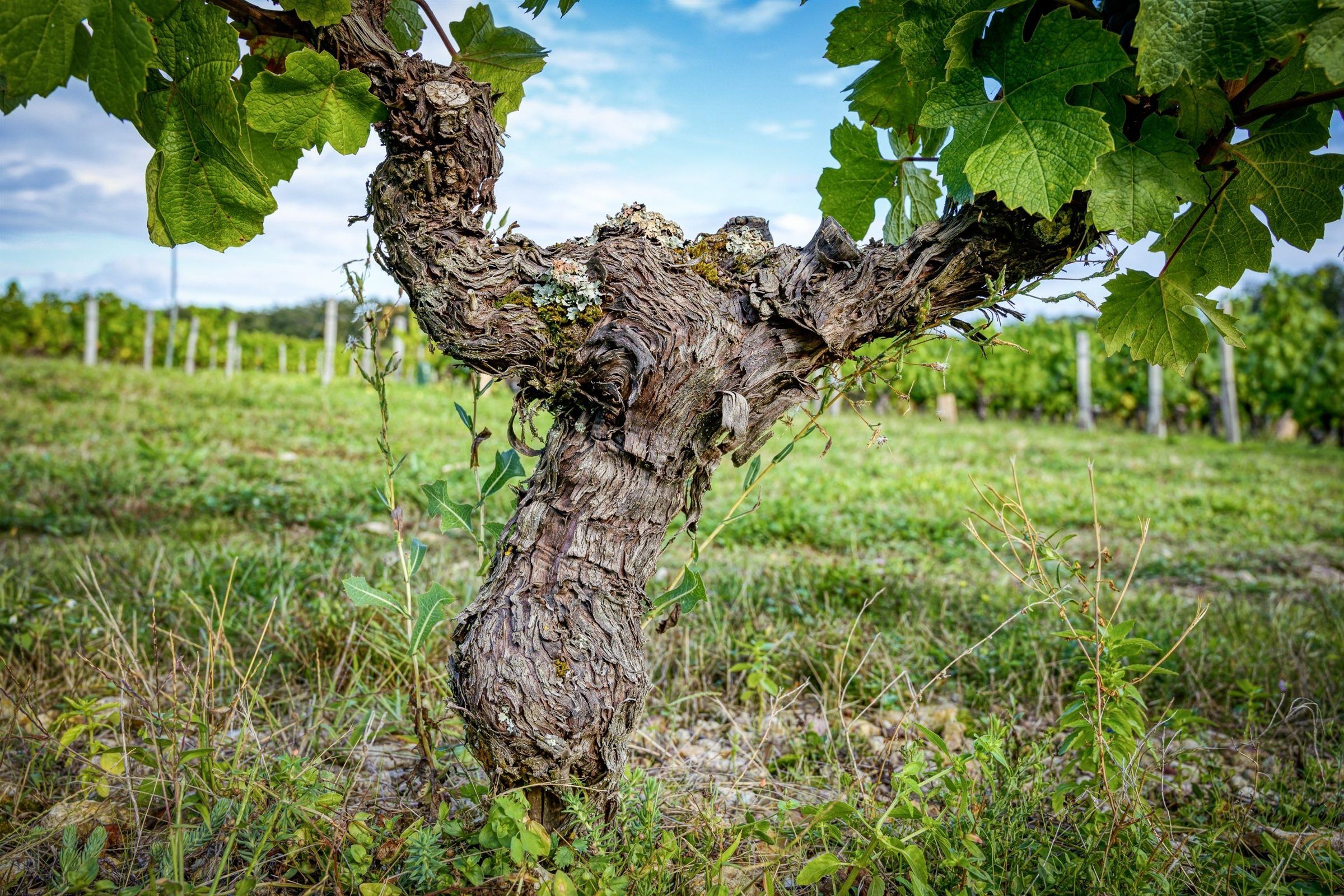
Roots, companion plants, animals and the winemaker’s gestures: discovering the quiet life that accompanies the vine, from earth to wine.
When we walk through a vineyard, our eyes naturally turn to the rows of vines, the leaves, the bunches and the landscapes around them.
We notice the slope of a hillside, its exposure to the sun, sometimes the colour of the earth.
But there is another landscape, far less visible: the one beneath our feet.
A world of roots, minerals, water, micro-organisms and organic matter. A living, complex environment whose balance plays a part in the vine’s development.
And which also deserves our full attention.
Beneath our feet, a quiet life
The vine’s roots explore the soil in search of water and the mineral elements it needs to grow.
Their development depends on the depth of the soil, its structure, the presence of rock and the availability of water.
But they are not alone.
Bacteria, fungi, earthworms and countless other organisms help transform organic matter and keep the soil working. Some mycorrhizal fungi live in association with the roots, notably making it easier for them to reach certain nutrients.
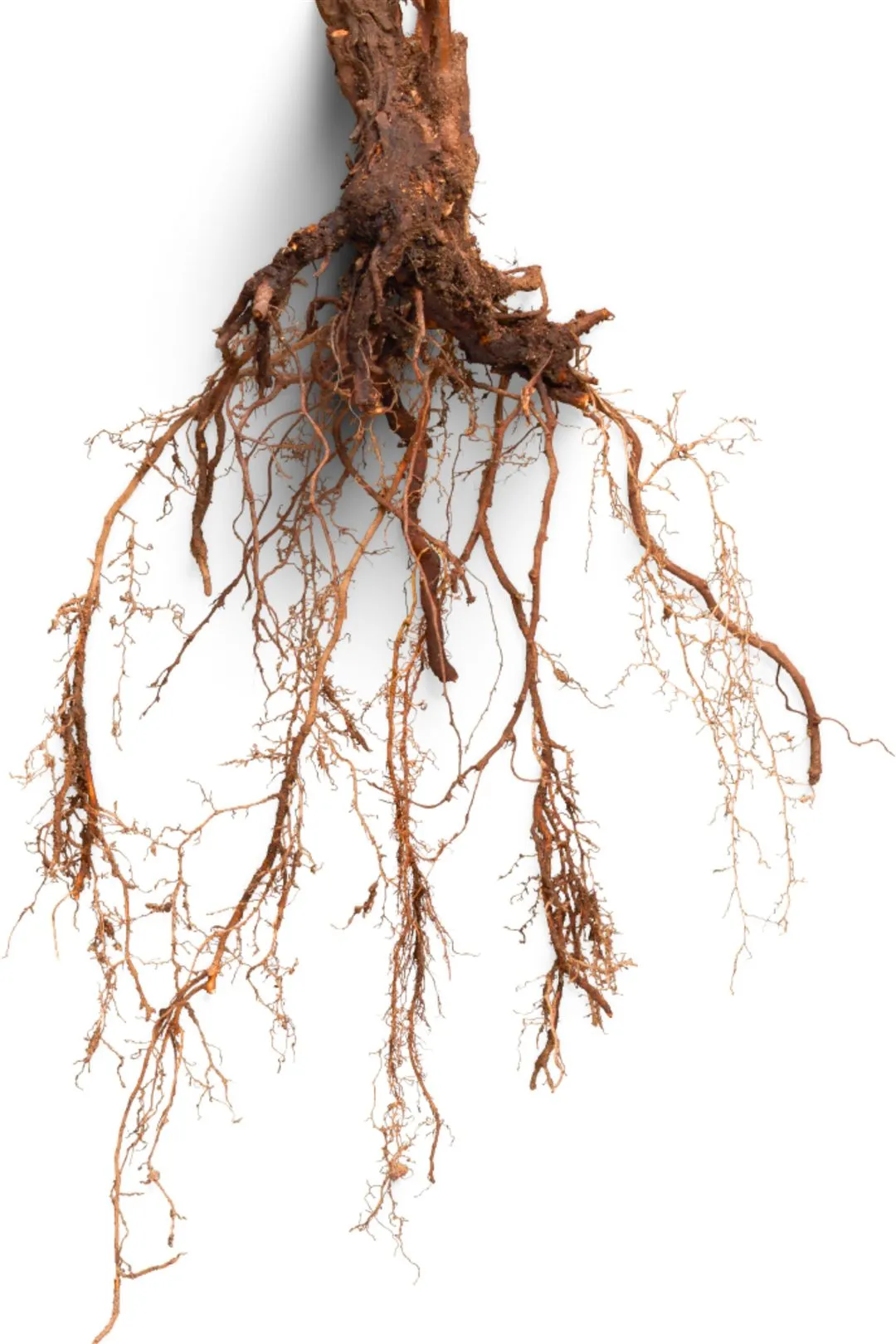
A soil is therefore not simply a medium in which the vine takes root. It is an environment where water, air, minerals and living organisms interact constantly.
I love the idea that so much of a vineyard’s life unfolds like this, hidden from view.
And sometimes, a simple handful of earth is enough to awaken our curiosity.
Sandy soil that slips through the fingers, more compact clay, stones, small roots… Every soil has its own texture, its own structure, its own way of holding water or letting it flow.
So many differences to which the vine must adapt.
Companion plants, and sometimes animals
In some vineyards, the vine does not grow alone.
Between the rows, you may find clover, grasses, wild flowers or plants sown deliberately to cover the ground.
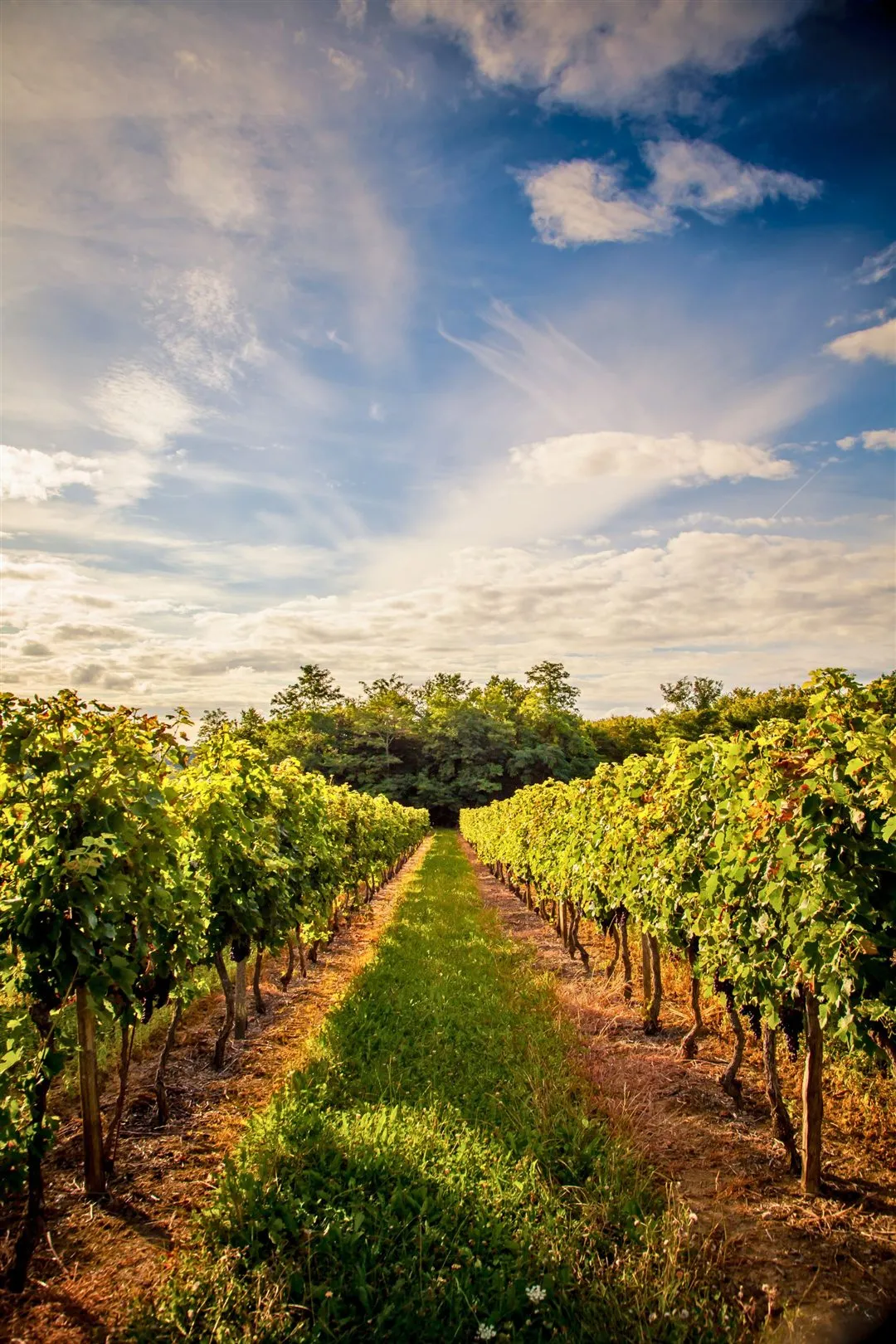
These companion plants can help protect the soil from erosion, encourage biodiversity and add organic matter. They can also offer a habitat or food for useful insects.
Sheep sometimes even come to graze between the rows, particularly while the vine rests in winter.
They keep part of the vegetation in check and return organic matter through their droppings. Their presence, however, calls for careful organisation, to avoid damaging the vines and to respect the animals’ needs.
These practices remind us that a vineyard can welcome many other forms of life besides the vine itself.
But simply letting the grass grow is not enough to reach an ideal balance.
In regions where water is becoming scarce, some plants can compete with the vine. Elsewhere, they usefully help limit run-off on sloping plots.
The winemaker must observe, choose suitable species, mow when necessary or work the soil in other ways.
Caring for living things does not necessarily mean leaving nature to its own devices. It means learning to work with it.
Gestures, time and a great deal of attention
Behind a vineyard lies work that is hard to measure from the road.
Observing each plot, guiding the growth of the vine, pruning with precision, tending the soils, stepping in by hand when needed: all gestures that require time and an intimate knowledge of the place.
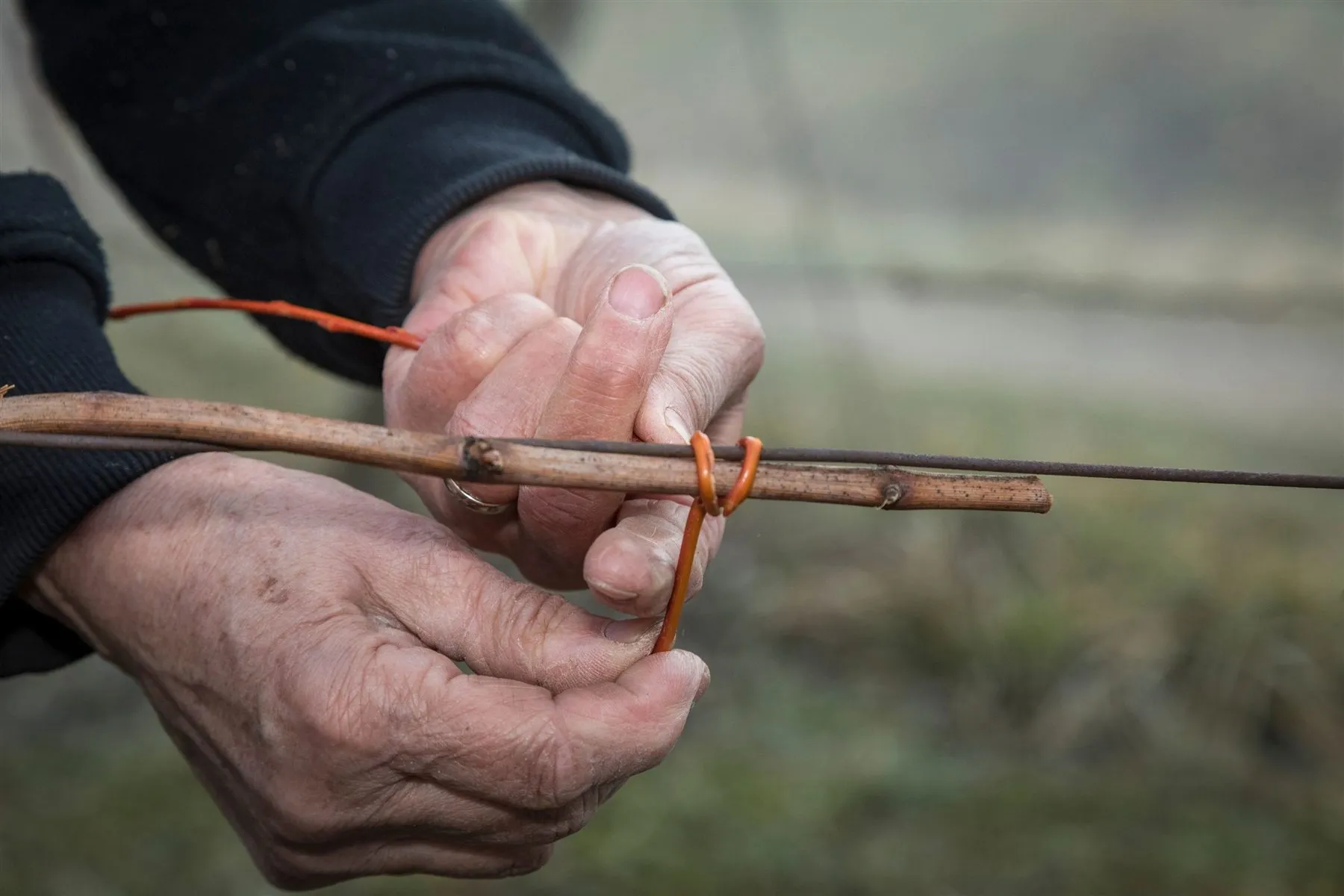
Many have been handed down for generations. Others evolve as new agronomic knowledge emerges.
In the field, some winemakers favour meticulous manual work, observe their soils year after year, try to limit certain mechanical interventions or to preserve the natural balance of their plots.
This work can be demanding, both physically and financially.
It calls for patience, consistency and a constant ability to adapt to the seasons.
An age-old gesture is not necessarily better because it is old, any more than a modern technique is necessarily preferable because it is new. What matters is its relevance for the vine, the soil and the environment in which it grows.
And behind every choice are women and men who must also ensure the future of their estate.
Understanding this reality helps us look differently at the winemaker’s work, and also at the value of a bottle.
A virtuous circle to cultivate
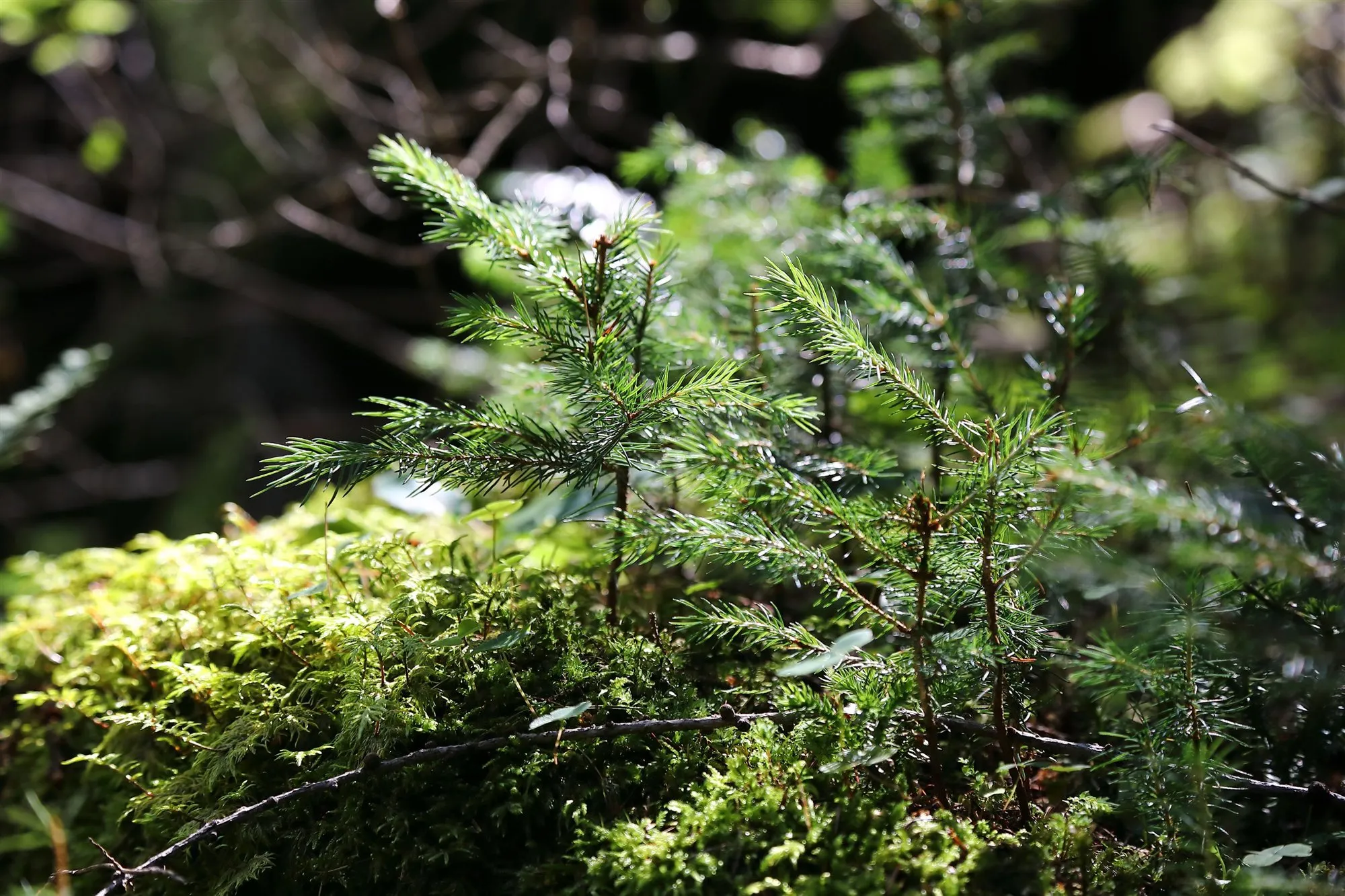
Preserving the structure of a soil, encouraging its biological activity, limiting erosion and carefully managing water resources can all help create more favourable conditions for the vine to develop.
A vine that is better supported in its environment may then have better resources to get through difficult periods and bring its grapes to ripeness.
Many winemakers patiently try to build this virtuous circle, often over several years – knowing that soil is only one of the factors that shape a wine, alongside grape variety, climate, vintage and winemaking choices.
Caring for the earth means preserving one of the foundations of this quality.
It also means trying to reduce certain pressures on the environment and to pass on soils that can go on welcoming the vine in the years to come.
These efforts deserve to be understood, recognised and encouraged.
The vine in a changing climate
Today, this attention to the earth takes on an added dimension.
Vineyards must contend with higher temperatures, sometimes prolonged droughts and extreme weather events.
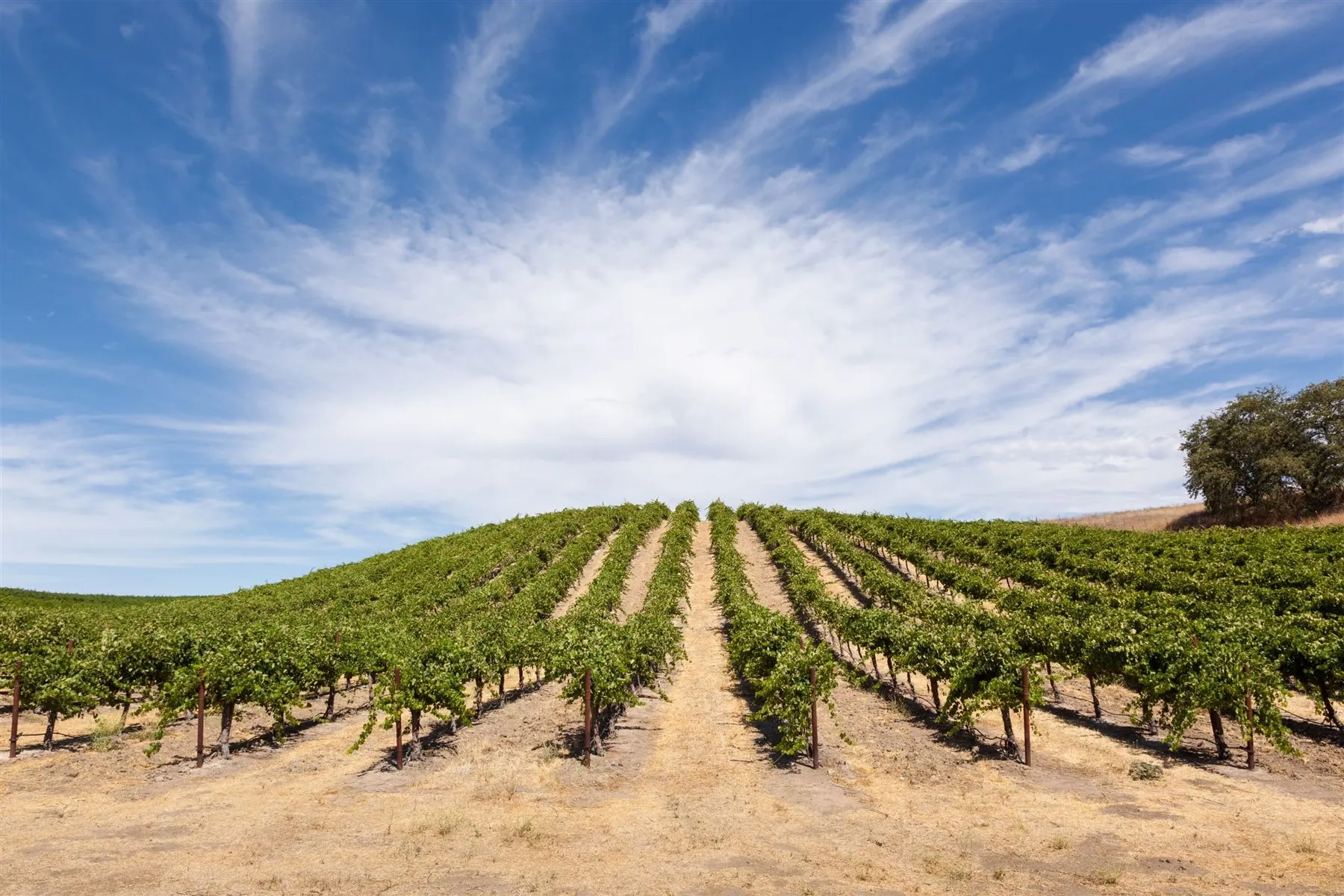
These changes invite winemakers to rethink certain practices.
Adapting cover crops, preserving available water, planting hedges or trees where conditions allow, changing the way the vine is trained: so many avenues being explored, region by region.
There is no single solution: each territory calls for its own answers.
A Mediterranean vineyard does not face the same constraints as an Atlantic or continental one. The answers must take into account the climate, the nature of the soils and the needs of each plot.
Viticulture thus evolves between inherited know-how, daily observation and new knowledge.
And this ability to adapt will be essential for the generations of winemakers to come.
From earth to wine
We often speak of terroir to explain the personality of a wine.
Soil is part of it, alongside climate, topography, grape variety and human work.
It influences, among other things, the vine’s water supply, its development and the conditions in which the grapes ripen.
But the relationship between soil and the taste of wine is more complex than we sometimes imagine.
The aromas of a wine are not simply those of the minerals beneath the roots. They result from many biological and chemical processes, from the growth of the grape to its transformation into wine.
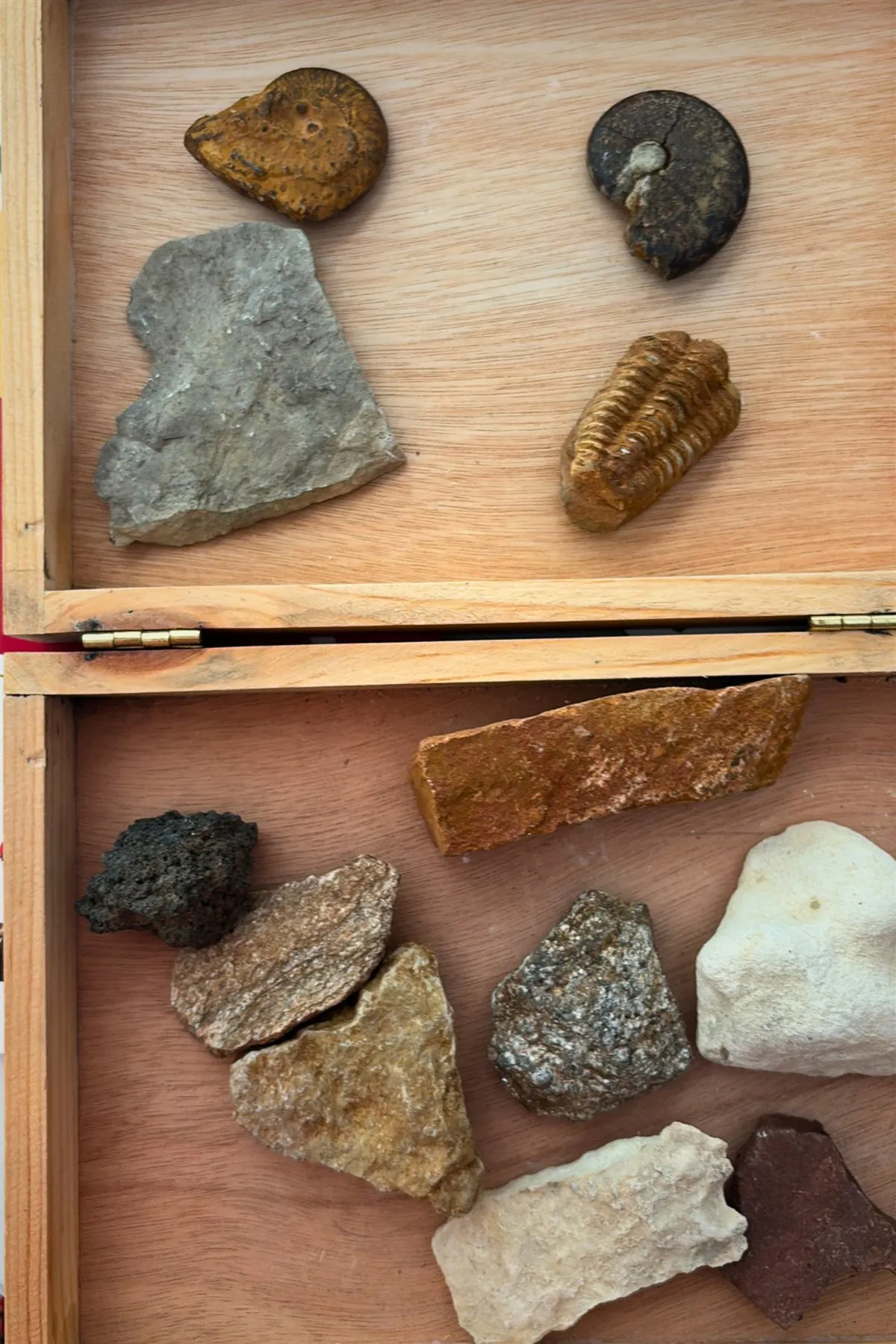
Understanding these mechanisms takes nothing away from the poetry of terroir.
On the contrary, it invites us to discover everything that lies behind a bottle.
Looking at a vineyard differently
The next time you walk through a vineyard, take a few moments to look between the rows.
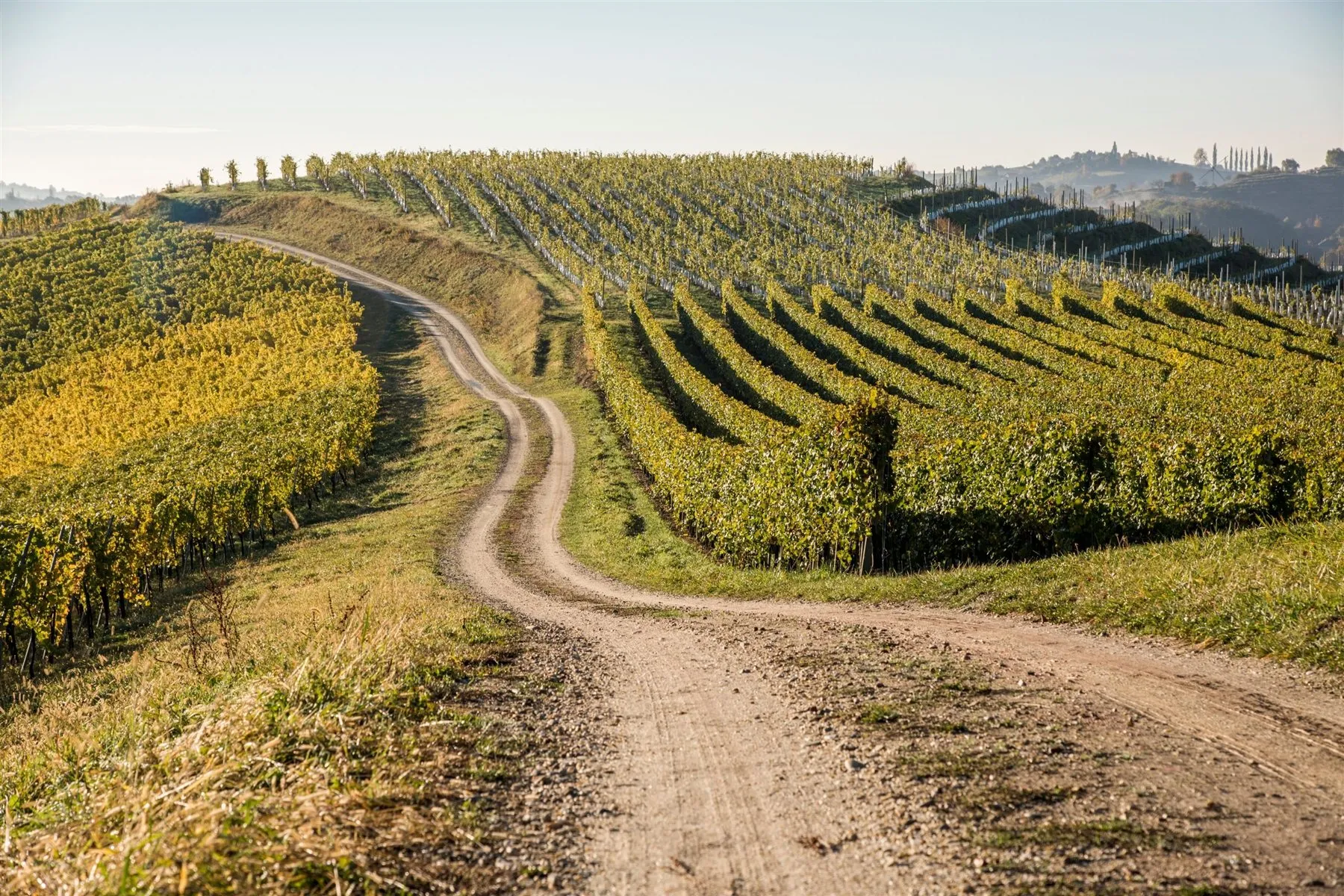
Look at the earth, the stones, the plants growing around the vines. Notice the slope, the vegetation and the differences from one plot to the next.
And if you have the chance to meet a winemaker, ask them how they work their soils, why they choose certain practices, or what they have changed over the years.
Their answers will often tell you a story of seasons, observations, difficulties and gestures repeated with patience.
Because behind every vine there is living earth, a succession of seasons and attentive hands. A whole world to discover, long before the wine reaches our glass.
Alexandra Baudon · International sommelier and wine educator
The Journal letter
Once a month: new stories from the Journal, something to try at home and a little news from the workshop.
Thank you! The next letter will be waiting in your inbox.