

The wine that did not want to be a rosé
From the claret of English merchants to its return to the vineyards of Bordeaux: a story of colours, traditions and boundaries that the eye alone cannot always draw.
In London, claret means a red wine. In Bordeaux, clairet is a deep rosé. Since the 2025 harvest, an old word has found new life in the Bordeaux vineyards. · Bordeaux claret · clairet · claret Bordeaux 2025 · colour intensity · wine colour · dark rosé · light red wine · orange wine · The wine that did not want to be a rose In London, claret means a red wine. In Bordeaux, clairet is a deep rose. Since the 2025 harvest, an old word has found new life in the Bordeaux vineyards. Bordeaux claret clairet claret Bordeaux 2025 colour intensity wine colour dark rose light red wine orange wine
In London, claret means a red wine. In Bordeaux, clairet is a deep rosé. Since the 2025 harvest, an old word has found new life in the Bordeaux vineyards.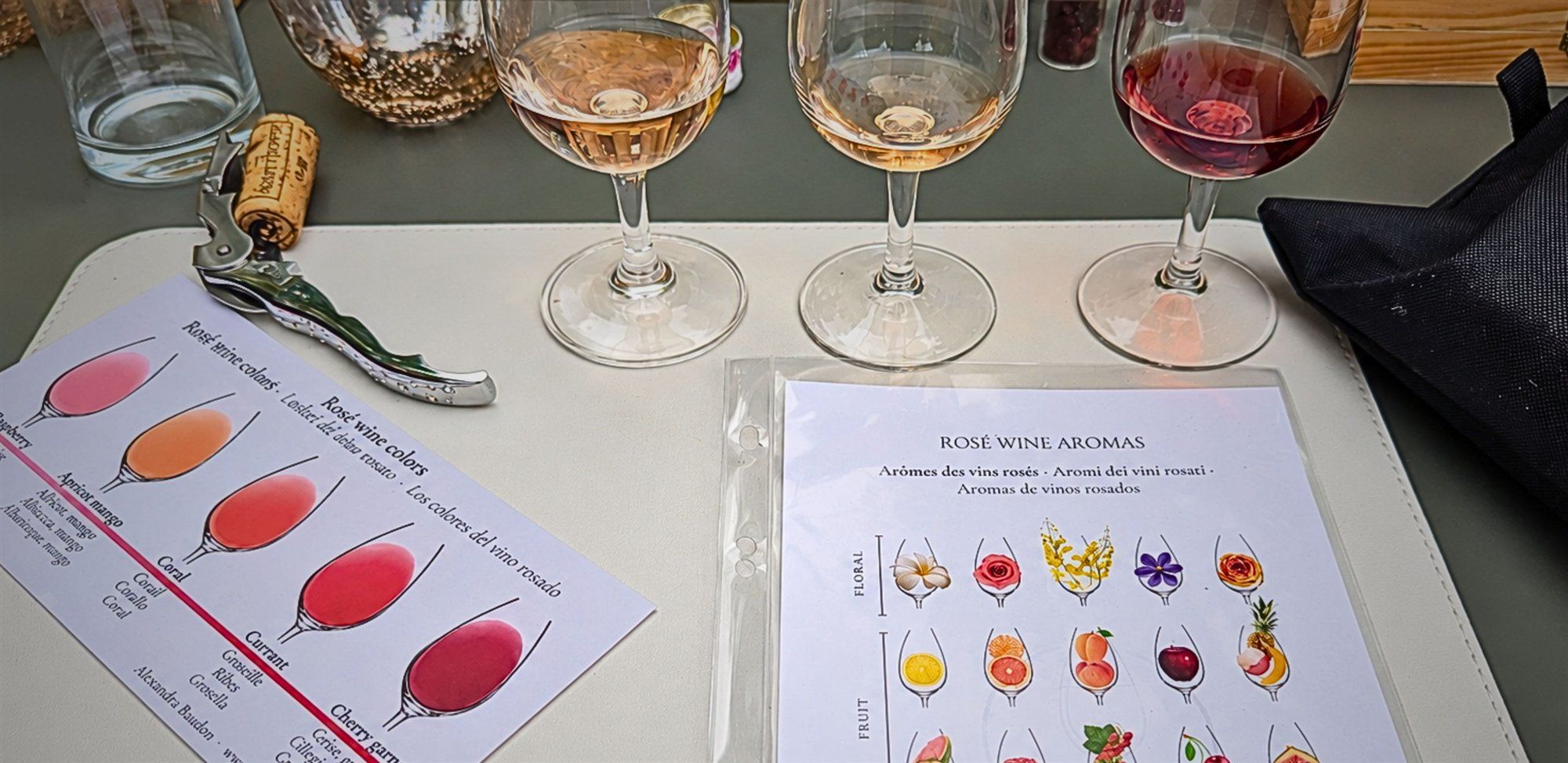
Ask a London wine merchant for a bottle of claret and you will be handed, without hesitation, a red Bordeaux, sometimes dark and structured, that you could lay down for a few years. Ask a Bordeaux wine shop for a clairet and you will be led towards wines with a cherry or ruby colour, much deeper than the pale rosés we are used to. Yet the two words share the same origin, and there was a time when they described far more similar wines.
When red was less red
In 1152, the marriage of Eleanor of Aquitaine to Henry Plantagenet, the future king of England, opened a long period of trade between Bordeaux and the English kingdom. Ships laden with wine left the ports of the Garonne for the British markets, where the wines of Aquitaine enjoyed lasting success.
These wines were often drunk young. Transport, storage and winemaking practices differed profoundly from ours. Among them were fairly light wines, made with shorter macerations than many of today's reds. The English knew them as claret, from the French clairet.
But tastes change, and techniques with them. From the 17th century, some Bordeaux estate owners began producing more concentrated wines, intended for a wealthy clientele and able to withstand longer ageing. In 1663, Samuel Pepys, the famous English diarist, recorded discovering a wine of "Ho Bryan", associated with the estate we now know as Haut-Brion. Its taste seemed to him unlike anything he had tried before.
The word claret followed this evolution without changing its spelling. It went on describing the wines of Bordeaux as they gradually gained depth, until it came to suggest, for a British wine lover, a great red for laying down. Language, too, has its own traditions of maceration.
Bordeaux clairet, for its part, kept a very particular personality. Made from black grape varieties, it has a deep colour and a structure often firmer than that of the palest rosés. It obviously does not reproduce the wines of the Middle Ages, whose methods and tastes belong to another era, but its name bears witness to that heritage.
A story of skin
To understand what separates these wines, you have to open a grape. In most black grape varieties, the pulp and juice are almost colourless. The red and purple pigments, called anthocyanins, are found mainly in the skins. This is what makes it possible, in Champagne in particular, to produce blanc de noirs from Pinot Noir or Meunier, by limiting contact between the juice and the skins.
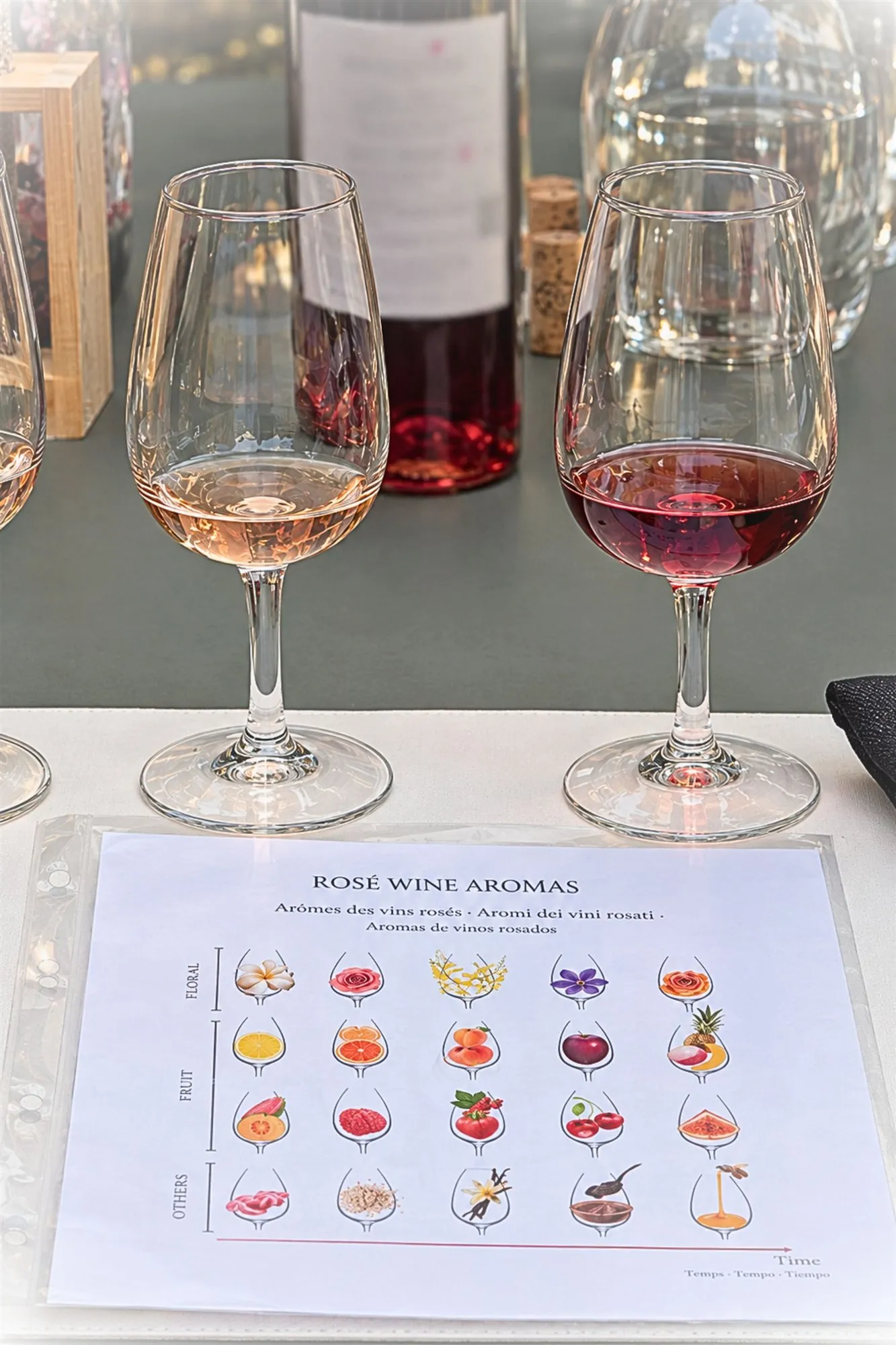
When this contact lasts longer, the juice takes on colour and gradually gains compounds from the skins, including some tannins. The length of maceration plays a part, but so do the grape variety, the ripeness of the grapes, the temperature and the winemaker's choices. Colour therefore does not follow a perfectly regular progression, as if a few more hours were always enough to turn a rosé into a red.
Pinot Noir offers a particularly elegant illustration. Some great red Burgundies have a colour so delicate that you can almost see your fingers through the glass. This transparency in no way prevents them from having remarkable complexity, great length and sometimes several decades of life ahead of them.
Conversely, a Tavel can show a colour deep enough to suggest a light red. This Rhône Valley appellation, devoted exclusively to rosé, produces wines that are often structured, able to accompany a whole meal. Place a delicately coloured Pinot Noir beside a deep Tavel: their shades can sometimes come close enough to surprise. One remains a red, the other a rosé, and neither needs to change its colour to deserve its name.
Fashion complicates our perception further. Provence, where I worked in a cooperative winery, has done much to establish the image of a very pale rosé in today's imagination. Its shades of peach, rose petal or pale salmon have become so familiar that a deeper colour can seem unusual. Yet paleness is no certificate of quality, any more than a deep colour guarantees power.
The amber of the jars
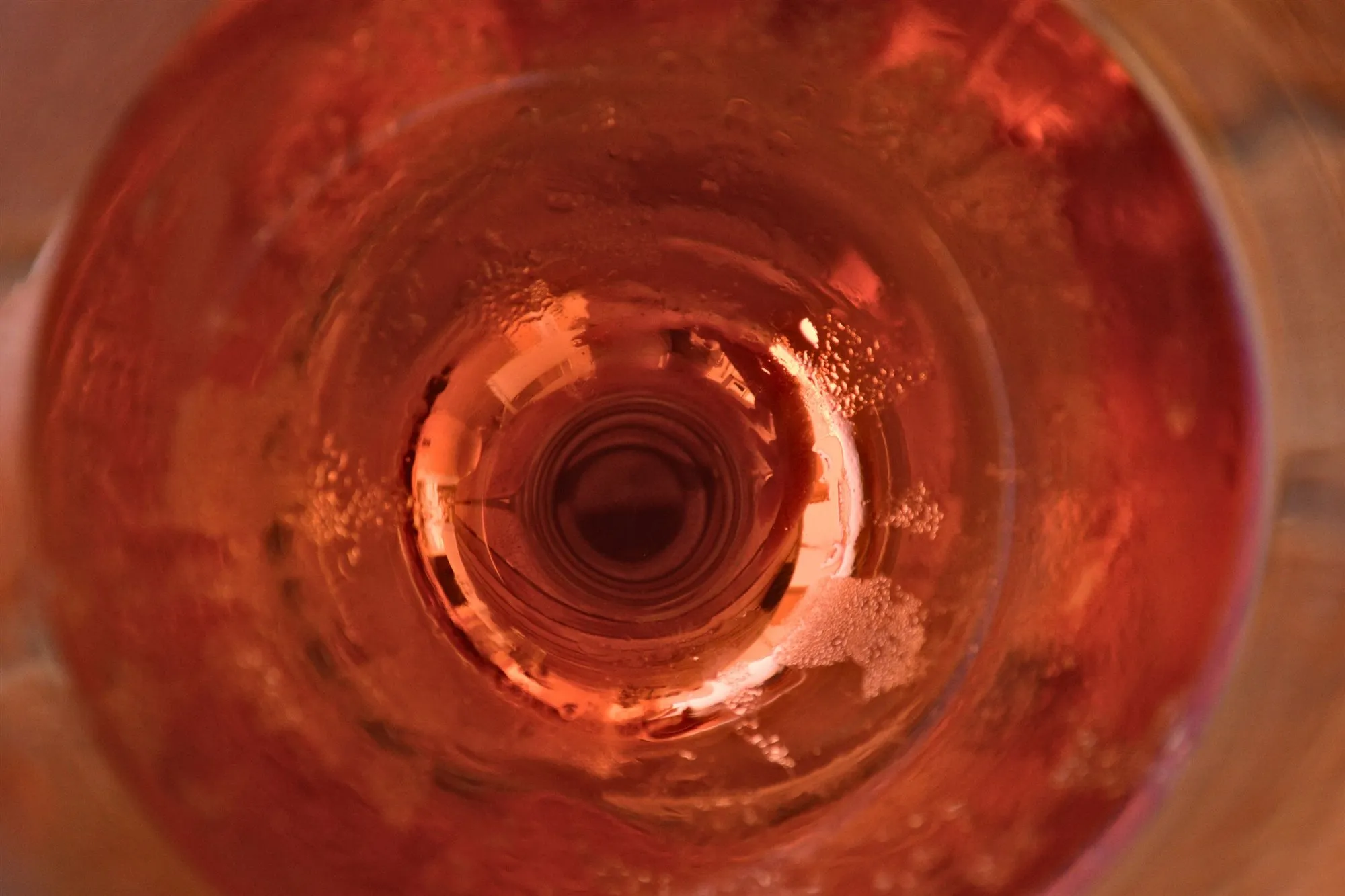
White grapes, too, have their own way of blurring our landmarks. So-called orange wines, whose colours range from deep yellow to copper or amber, are made by leaving the juice of white grapes in contact with their skins for a variable time. This maceration can bring texture, phenolic compounds and sometimes a slight astringency that we more readily associate with reds.
What looks today like a contemporary daring actually belongs to an ancient history. In Georgia, where traces of winemaking go back some eight thousand years, some traditions use qvevri, large clay jars often buried in the ground. The grapes can ferment and rest there with their skins, sometimes with part of the stems. Practices differ between regions and producers, notably between Kakheti and Imereti, and cannot be reduced to a single method.
There is something rather delicious in seeing these ancestral techniques become, a few thousand kilometres from their cradle, the expression of a certain avant-garde. Not all orange wines are successful, of course, and the originality of a method has never been enough to guarantee the quality of a bottle. The best, however, can offer fascinating textures and aromatic expressions.
Their colour also fuels a misunderstanding. An orange wine is not necessarily oxidative. The vin jaune of the Jura, with its golden colour and characteristic aromas of walnut and spice, follows an entirely different path: that of long ageing under a veil of yeast. Two wines can thus show similar shades while having little in common in the way they were made.
A boundary measured in the laboratory
For a long time, merchants described wines with the words they had: light, dark, vermilion, pale. Today, an instrument measures what the eye hesitates to decide.
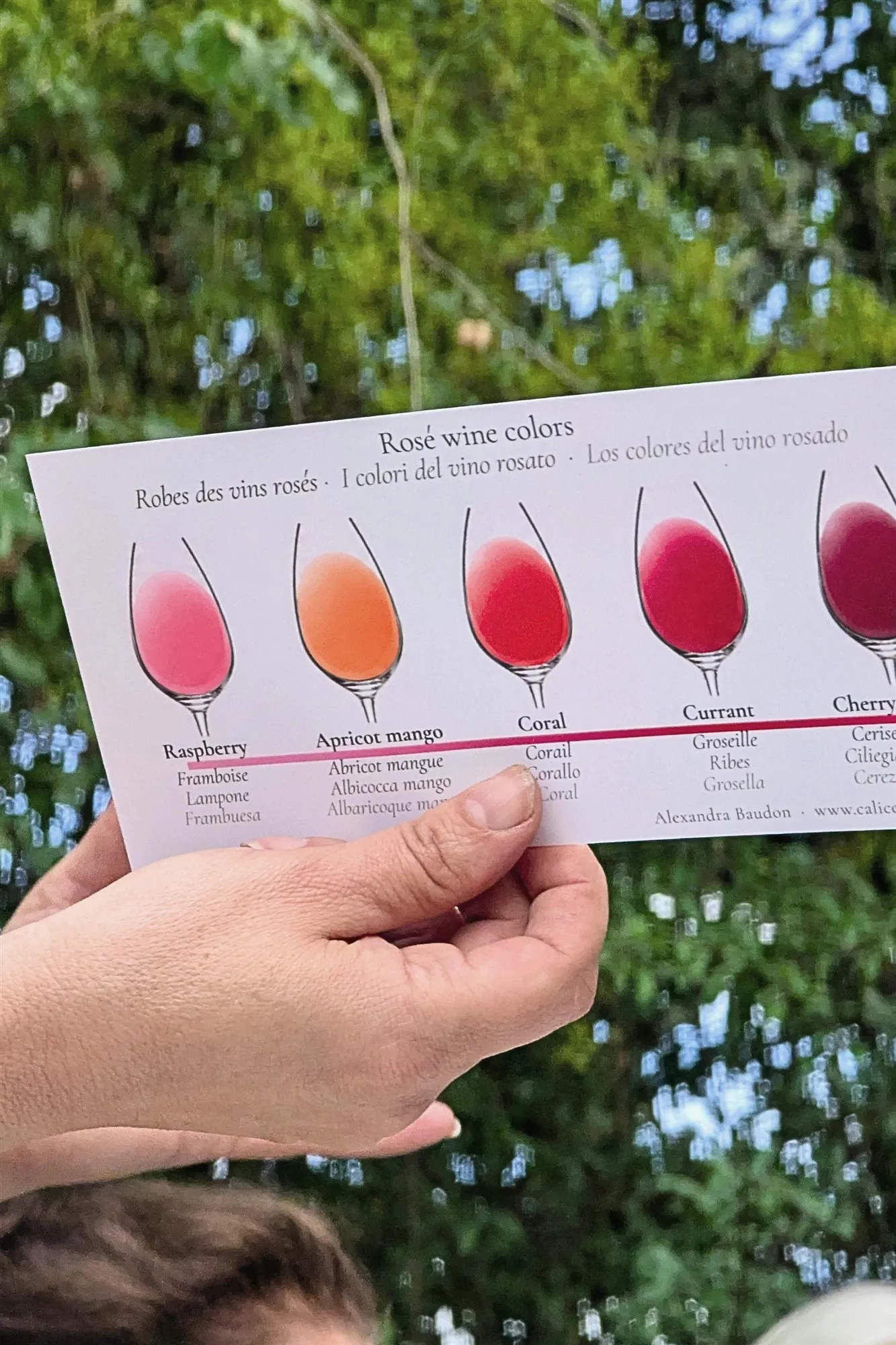
Since the 2025 harvest, the term claret has been reserved, within the Bordeaux AOC, for light red wines with a light tannic structure and a ruby or purple colour of low intensity. After centuries spent describing the most varied Bordeaux reds, the word thus regains a meaning much closer to its origin.
This return was not born of nostalgia for the Plantagenets, however. It answers very current concerns: changing tastes, the appeal of fresher, less tannic reds, and also the need for Bordeaux producers to adapt to a difficult market. Warmer climatic conditions also encourage the search for other balances. The word is thus called upon to win over new consumers, many of whom probably do not know its history.
This time, the boundary no longer rests solely on the judgement of the merchant or the taster. The production rules set analytical criteria, notably a colour intensity measured with a spectrophotometer. For Bordeaux rosés, it must not exceed 1.1; for clairets, it lies between 1.1 and 3; for clarets, light reds, it is above 3 and can reach 15.
There is something rather delightful in imagining this old word, coined by the English from a Bordeaux name, returning to Bordeaux eight centuries later, armed with a technical sheet and a laboratory measurement.
What the eye thinks it knows
I love exploring this question with my teaching vials: I place a light behind the reds and invite participants to guess what they are looking at. The exercise is often more revealing than a long speech, because everyone arrives with their own associations between a colour, a grape variety, a region or a style.
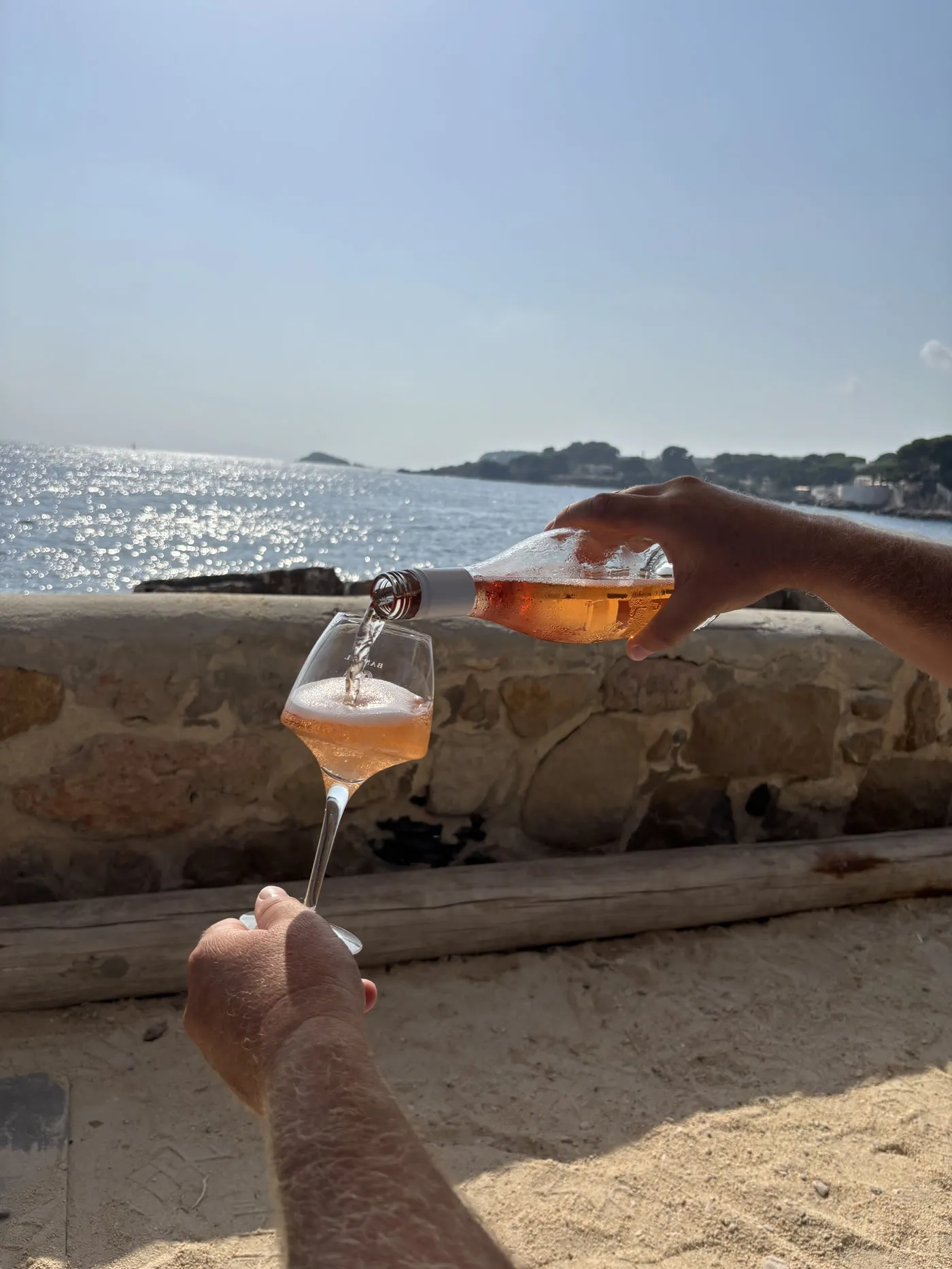
A dark colour readily prepares us for a powerful wine. A translucent red seems lighter. A golden white seems richer or older. These impressions are not always unfounded, but they can lead us down false trails. Colour tells us about certain characteristics of a wine, its evolution or how it was made; it measures neither its quality, nor its aromatic intensity, nor the pleasure it will give.
The spectrophotometer now places clairet among the rosés and claret among the reds, a few units of colour intensity apart. The merchants who loaded their casks on the quays of the Garonne would probably not have understood this distinction at all: for them, the two words were one, and simply meant the wine they were poured.
Alexandra Baudon · International sommelier and wine educator
The Journal letter
Once a month: new stories from the Journal, something to try at home and a little news from the workshop.
Thank you! The next letter will be waiting in your inbox.