

The wine words we dare not say
Forest floor, leather, gunflint, retronasal olfaction… There is a language in which an old wardrobe can become a compliment and the smell of a stable can inspire admiration.
A wine that smells of leather? A hint of forest floor? An expressive retronasal finish? The vocabulary of wine has a sometimes baffling poetry. Between tasting scenes, scent memories and smiles, let us discover why the most learned words are not always the ones that best tell our sensations. · wine vocabulary · tasting glossary · wine aromas · forest floor · leather · minerality · retronasal olfaction · The wine words we dare not say A wine that smells of leather? A hint of forest floor? An expressive retronasal finish? The vocabulary of wine has a sometimes baffling poetry. Between tasting scenes, scent memories and smiles, let us discover why the most learned words are not always the ones that best tell our sensations. wine vocabulary tasting glossary wine aromas forest floor leather minerality retronasal olfaction
A wine that smells of leather? A hint of forest floor? An expressive retronasal finish? The vocabulary of wine has a sometimes baffling poetry. Between tasting scenes, scent memories and smiles, let us discover why the most learned words are not always the ones that best tell our sensations.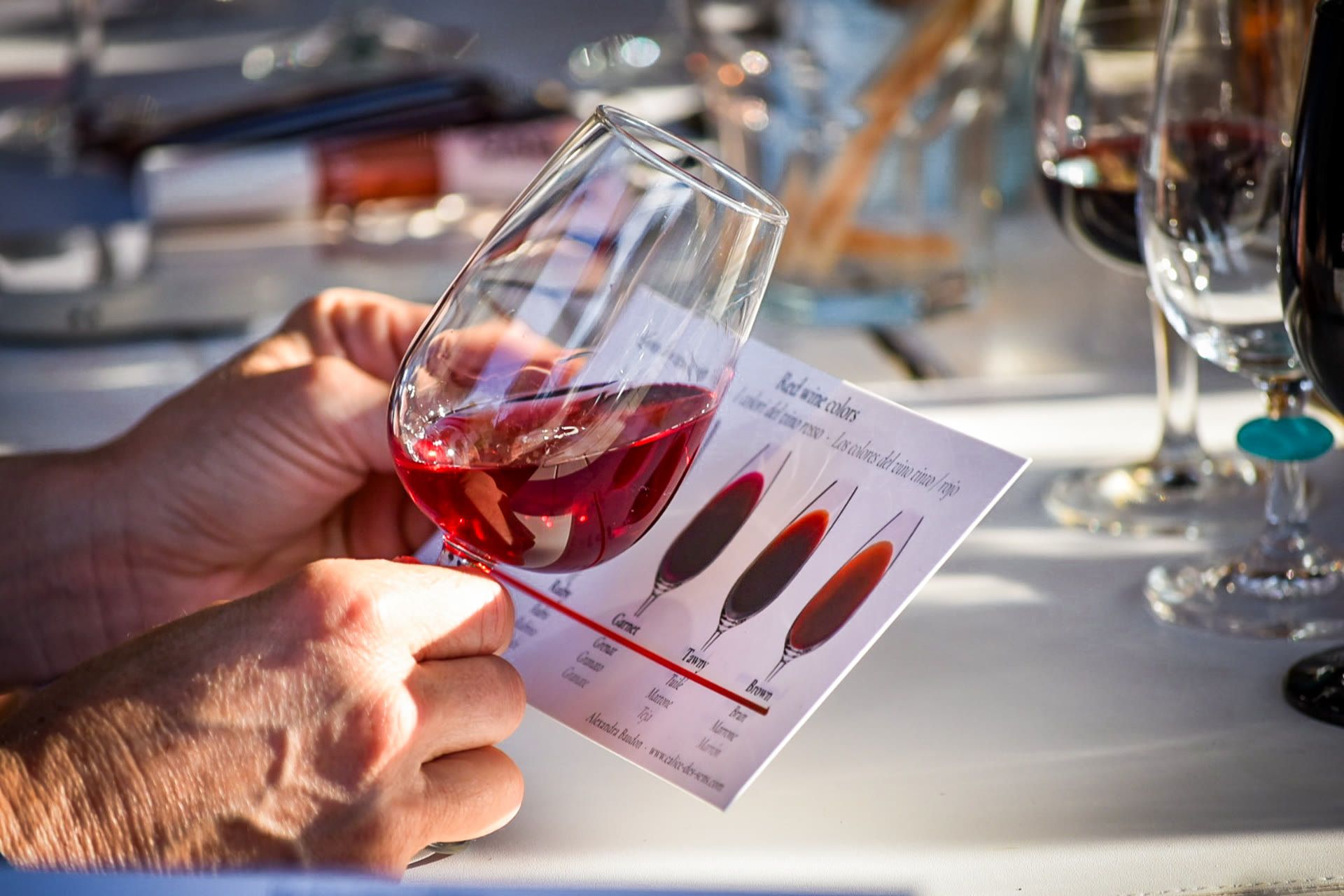
And yet it had all begun so well.
A lovely red wine, a few glasses set out on a table, pleasant conversation. You bring your nose to your glass and immediately recognise something familiar. Cherry, perhaps blackberry. You are rather pleased with your discovery, and you are about to share it when your neighbour speaks up.
“Very pretty nose. Forest floor, a little leather, a light animal note…”
You look at your glass.
Leather?
You smell it again, more carefully. The cherries are still there, but you begin to wonder whether you have missed something important. Your neighbour, meanwhile, seems perfectly satisfied. He swirls his glass, nods and adds:
“Lovely tension, too.”
You no longer dare to speak.
At the other end of the table, someone has just found a hint of gunflint. Someone else is talking about retronasal olfaction. You wonder at what point this tasting left the realm of gastronomy for that of geology, leatherwork and medicine.
And above all, where have your cherries gone?
A language that borrows its words from everyone
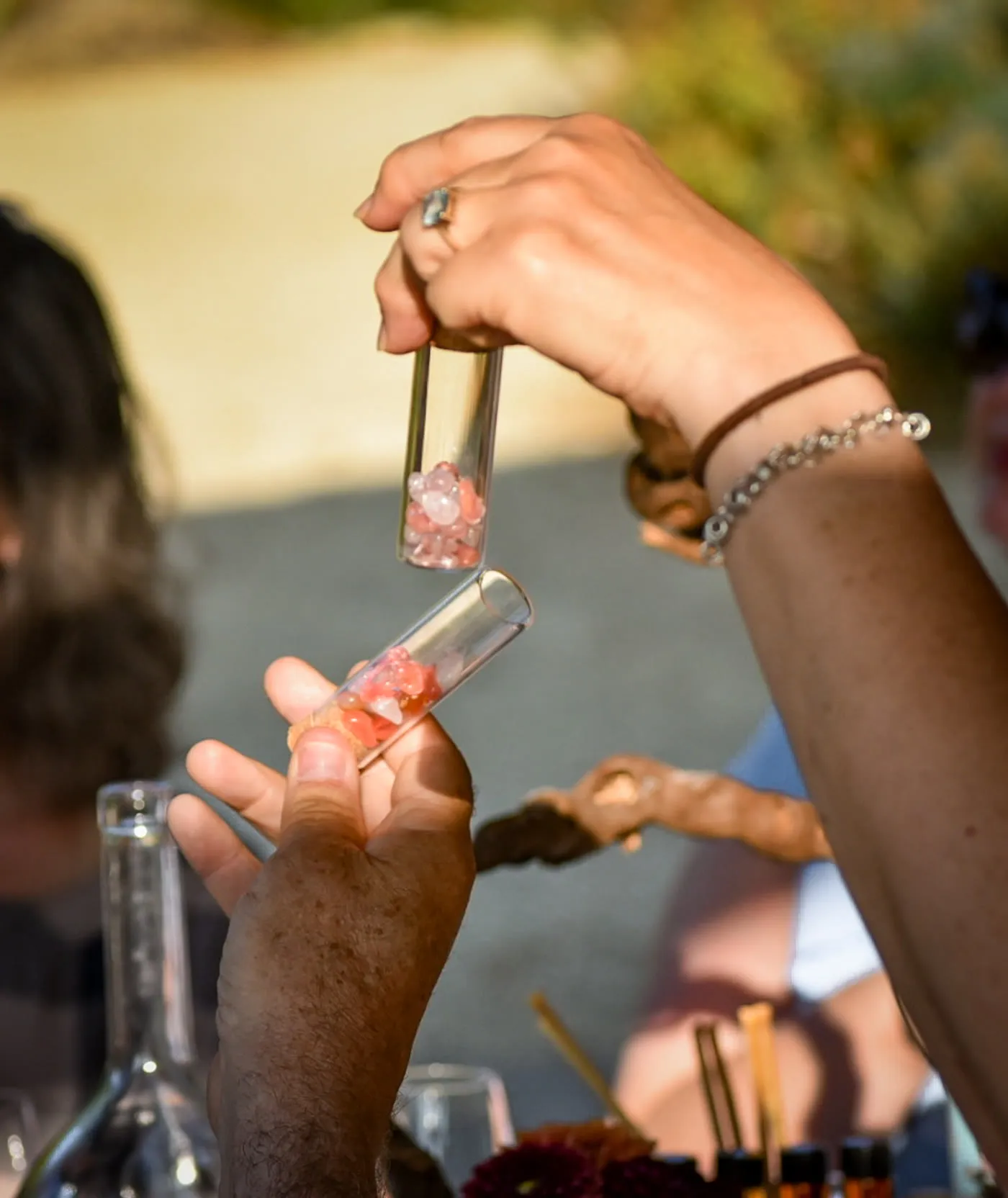
The vocabulary of wine is a curious assembly. It borrows dead leaves and mushrooms from the forest, flowers from the garden, spices from the kitchen, leather and smoke from the workshop. It even sometimes calls on the stable, which is not necessarily the place that comes to mind when opening a good bottle.
A wine can be fleshy, nervy, taut, fat, austere or generous. It has a robe, a body, sometimes legs, and can be closed before it opens up. Hearing it described like this, you could almost imagine a rather complicated character who needs to be left alone for half an hour before you can strike up a conversation.
These expressions may seem extravagant, but they answer a very real difficulty: how do you describe a smell?
We have relatively precise words to describe a colour or a shape. We can recognise a dark red, a rough surface, a curved line. With smells, things become more delicate. We look for resemblances, memories, images.
A smell reminds us of a ripe peach, the zest of an orange, an armful of flowers or the earth after rain. We are not necessarily describing what is physically in the glass; we are trying to convey what it evokes.
And that is how, without anyone ever putting shoes in a vat, a wine can end up smelling of leather.
The mystery of the forest floor
Let us return to our neighbour.
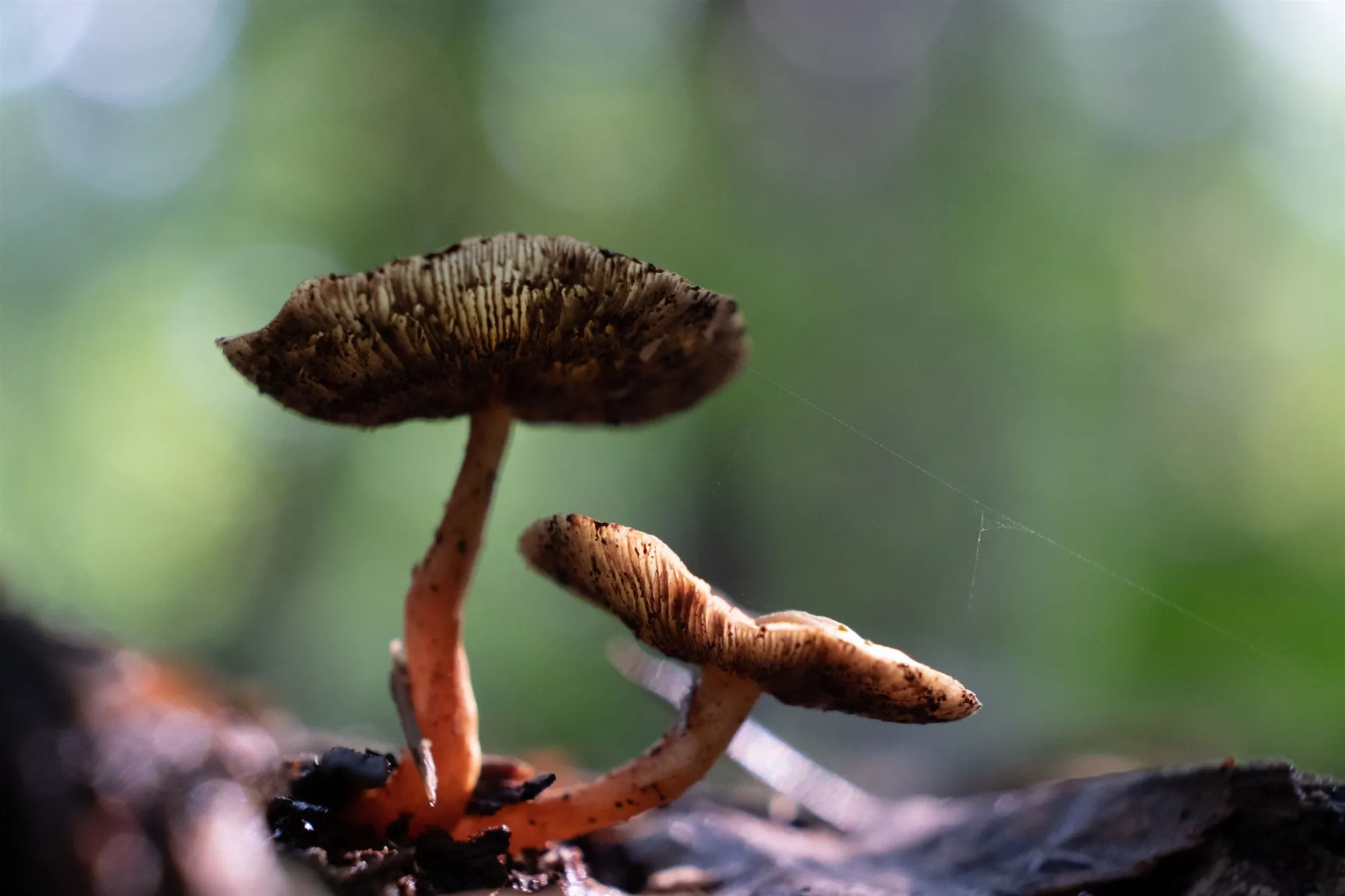
When he speaks of forest floor, he is not claiming to have found a miniature forest at the bottom of his glass. He is evoking a family of smells: damp leaves, earth, mushrooms, humus, sometimes that particular impression that comes with an autumn walk.
Some wines, as they evolve over time, develop notes reminiscent of these smells. They are often classed among tertiary aromas, those that appear or are transformed during ageing.
But imagine you had never used the words forest floor to talk about a smell.
You might very well say: “It reminds me of the woods after the rain.”
Your neighbour might reply: “Exactly!”
You would then have spent several minutes searching for a sensation you had already recognised, simply because it went by another name.
So there are words that bring us closer to an experience, and others that, when we do not yet know them, seem to put up a little barrier in front of it.
The problem is not the word itself. It is what happens when we begin to believe that we have to know it to be allowed to join the conversation.
Leather, stables and unexpected compliments
It must be said that some terms do not make things easy.
“What lovely leather!”
Said in front of a handbag, the remark seems perfectly natural. In front of a glass of wine, it can cause a moment of perplexity.
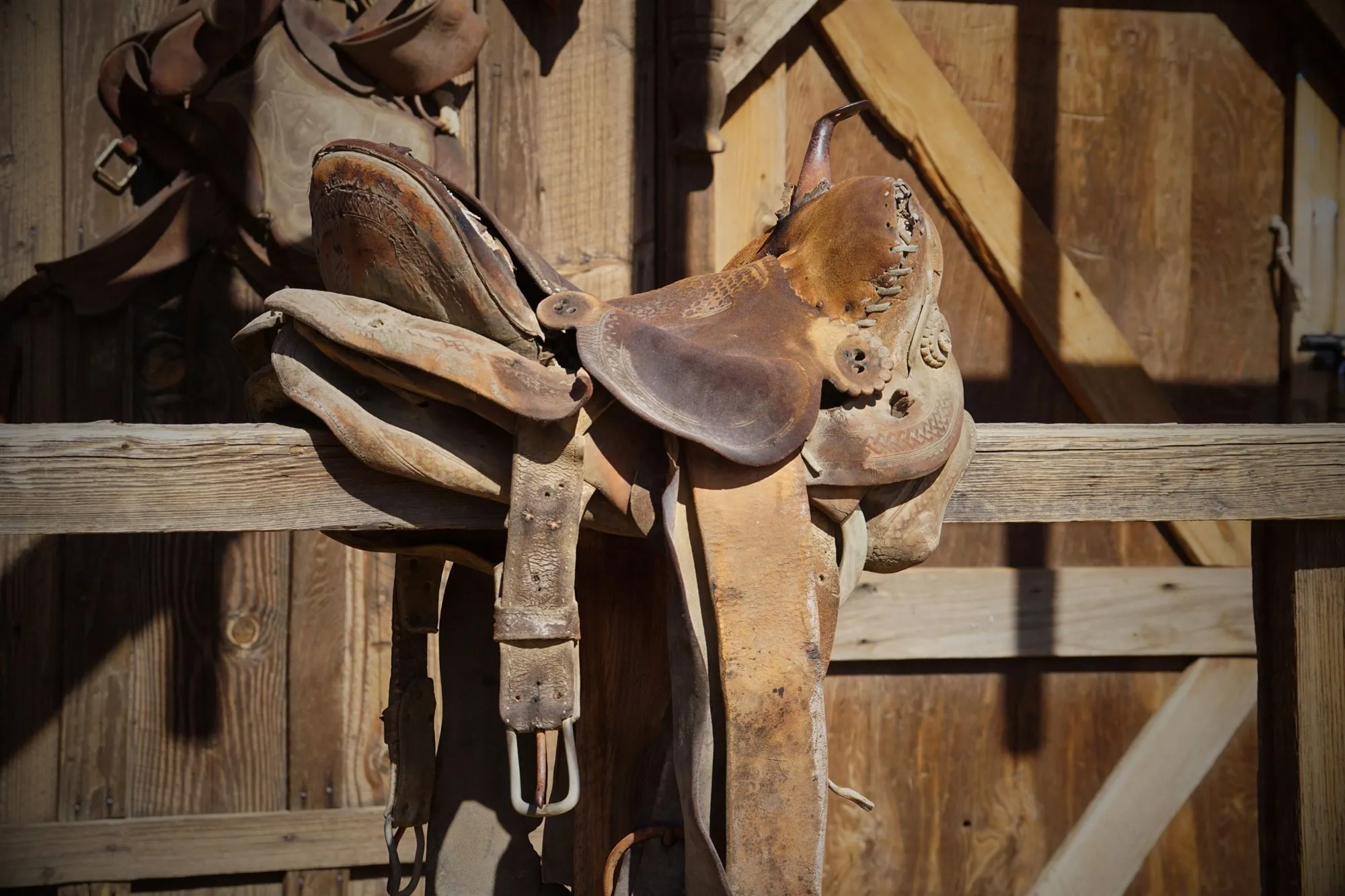
Yet mature red wines do sometimes show notes reminiscent of leather, tobacco or old wood. These impressions can enrich a bouquet when they blend harmoniously with the other aromas.
But not all animal smells tell the same story. Some may be linked to yeasts such as Brettanomyces, which produce aromatic compounds that recall, depending on their nature and concentration, leather, the stable or other phenolic notes. At low intensity, some tasters enjoy them; when they dominate, they can mask the fruit and be considered a fault.
In other words, a strange smell is not automatically a quality. And an elegant word does not necessarily turn a fault into a virtue.
I find this distinction important, because it also reveals the limits of language: two people can use the word leather to describe different impressions, and have a completely different opinion of the wine.
Perhaps that is why tasting conversations sometimes become so lively. We think we are discussing an aroma, when we are not always talking about exactly the same thing.
When words become impressive
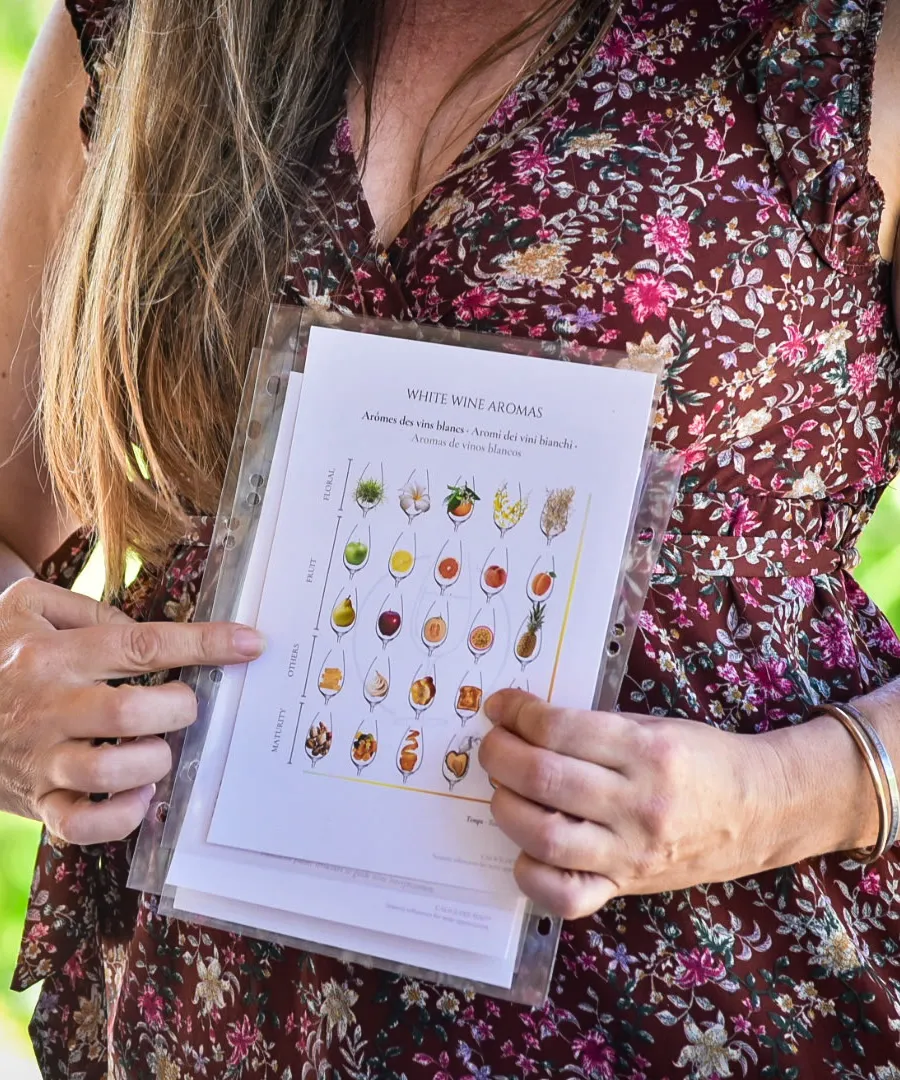
There is a particular moment in some tastings.
Someone announces a mineral note. Another person mentions salinity. Then comes tension, followed by fine aromatic persistence and, to finish, a particularly expressive retronasal finish.
All of this may be perfectly relevant.
But for someone discovering this world, the accumulation sometimes has an unexpected effect: instead of wanting to smell more, they wonder whether they have understood the question.
Retronasal olfaction, for example, refers to something we experience every day. When we drink or eat, volatile aromatic molecules can reach the olfactory area via the back of the mouth, notably as we breathe out. It is an essential part of how we perceive aromas.
Nothing mysterious, then. We have been practising retronasal olfaction since childhood, long before we could pronounce it.
Minerality is another interesting case. Depending on the taster, it evokes impressions of stone, chalk, freshness or sometimes salinity. Yet the term does not correspond to a single, universally defined sensation. Nor does it mean that we are directly tasting the stones of the vineyard.
The word can be useful, provided we make clear what we are trying to describe.
Because the language of wine has this strange ability to make sometimes simple experiences sound very learned and, conversely, to reduce highly complex sensations to a few syllables.
That is what makes it fascinating. And sometimes – let us admit it – delightfully absurd.
The temptation of the right word
In my workshops, I often observe something that interests me more than the descriptions themselves.
Someone brings their glass to their nose, smiles, seems to recognise a smell. Then their expression changes. They search for a word, hesitate, look around.
“I know what it is, but I can’t put it into words…”
Sometimes another person suggests an answer. And the first adopts it at once, relieved to have finally found something to say.
Yet I would often like to ask them to go back to that first impression, the one that made them smile.
What had they recognised before they started looking for the right answer?
Homemade jam? Flowers in a garden? The smell of a fruit they had not come across in a long time?
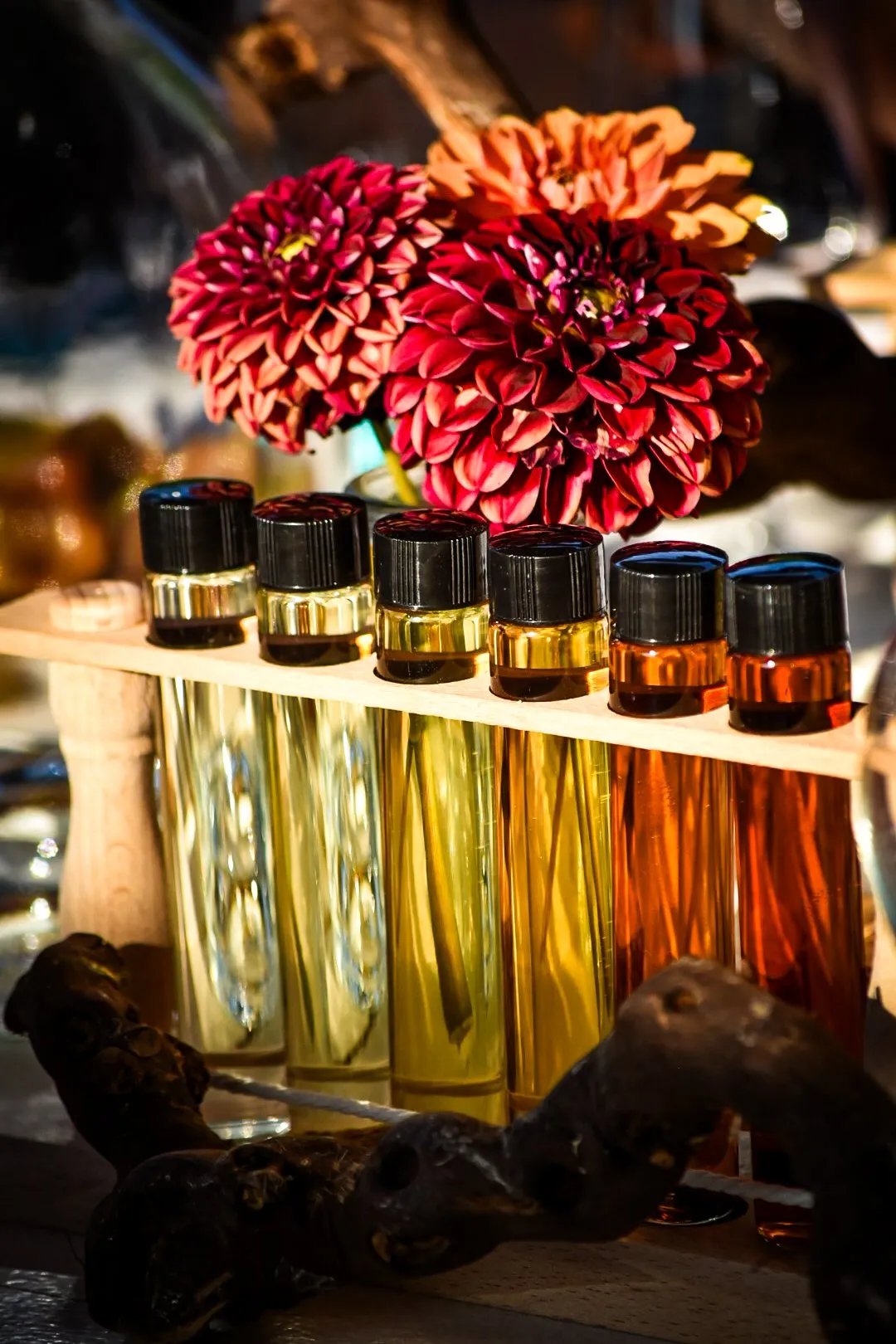
We all have a different scent memory, shaped by the places we have lived, the kitchens we have known, the landscapes we are familiar with. The same aroma can evoke very different memories from one person to the next.
That is precisely what makes these exchanges interesting.
Professional vocabulary helps refine our observations, build shared landmarks and compare wines more precisely. It has its full place in learning, and I enjoy passing it on.
But it should not erase what comes before words: that immediate recognition, sometimes confused, that connects us to something familiar.
There is a difference between learning to describe better what we perceive and learning to recite what we think we ought to perceive.
The first opens the senses. The second risks silencing them.
And then, someone simply says: “It’s good.”

Let us return to our table.
The conversations go on. The forest floor has been identified, the leather discussed, the minerality mentioned with caution. There has been talk of structure, length, freshness, and someone has even managed to slip in the words retronasal olfaction without pausing for breath.
Then a person who had said almost nothing since the start takes another small sip.
She looks at her glass and smiles.
“Well, I think it’s really good.”
For a moment, nobody answers.
And then the smiles appear.
Because after all those descriptions, all those efforts to grasp the nuances of the wine, this sentence is a reminder of something essential. We can spend a long time analysing what we drink, searching for the most precise words, comparing our perceptions. It is a fascinating exercise, one that helps us learn and discover new sensations.
But there is also that moment when we stop searching.
We like the wine. We want another sip, to share it, perhaps to prolong the conversation.
And that deserves just as much of our attention.
I would never want to give up the words of wine. I love their richness, their nuances, their ability to lead us to aromatic worlds we would never have thought of. I also love their accidental poetry, those improbable associations that bring a forest, an old library or a basket of fruit into a simple glass.
But I love even more the moments when someone dares to add their own memory to this collection.
So if one day you find yourself facing a taster who talks of forest floor, leather and gunflint, listen to him. He may have something fascinating to share with you.
And if you can still smell cherries, say so.
Your neighbour might even discover them in turn.
After all, we have invented hundreds of words to talk about wine. And we still sometimes search for a long time for the one that will simply say how much we love it.
Alexandra Baudon · International sommelier and wine educator
The Journal letter
Once a month: new stories from the Journal, something to try at home and a little news from the workshop.
Thank you! The next letter will be waiting in your inbox.