

The one who always knows better than everyone else
When wine joins us at the table… and our ego sometimes takes up a little too much room.
Sometimes all it takes is opening a bottle for a dinner to turn into a tasting lesson. With humour and tenderness, let us explore those little moments when knowledge takes up too much room, and rediscover the pleasure of talking about wine without needing to be right. · talking about wine at the table · convivial tasting · wine lover · talking about wine · sharing wine · wine vocabulary · The one who always knows better than everyone else Sometimes all it takes is opening a bottle for a dinner to turn into a tasting lesson. With humour and tenderness, let us explore those little moments when knowledge takes up too much room, and rediscover the pleasure of talking about wine without needing to be right. talking about wine at the table convivial tasting wine lover talking about wine sharing wine wine vocabulary
Sometimes all it takes is opening a bottle for a dinner to turn into a tasting lesson. With humour and tenderness, let us explore those little moments when knowledge takes up too much room, and rediscover the pleasure of talking about wine without needing to be right.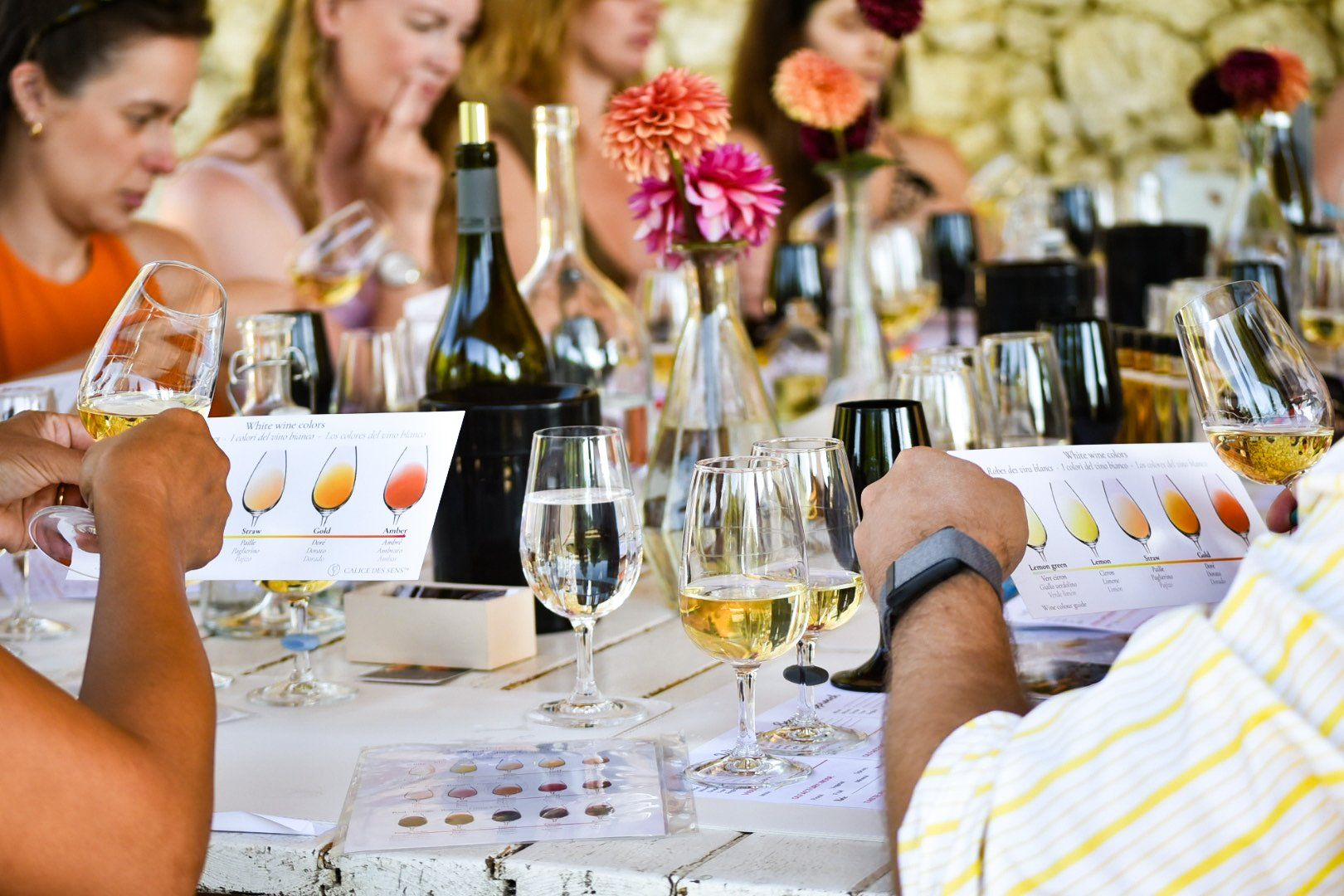
It usually happens at the moment someone opens a bottle.
Until then, everything was going well. We were talking about the holidays, the latest film, the children, that neighbour who always starts his DIY on Sunday morning. Glasses are filled, conversations cross, someone asks for the bread.
And then a voice rises.
“Ah, you should have opened it two hours ago.”
A slight silence. A glance at the bottle.
“Which vintage is it?”
There he is. The one who always knows a little better than everyone else.
He knows the regions, the appellations, the good vintages. He has visited estates nobody has heard of and met winemakers whose names he pronounces with impressive familiarity. He is not necessarily trying to take up all the room. He loves wine, sincerely. He has learnt things, sometimes a great deal, and he wants to share them.
The only thing is: we came for dinner, not to sit an exam.
One bottle, and suddenly everyone is listening
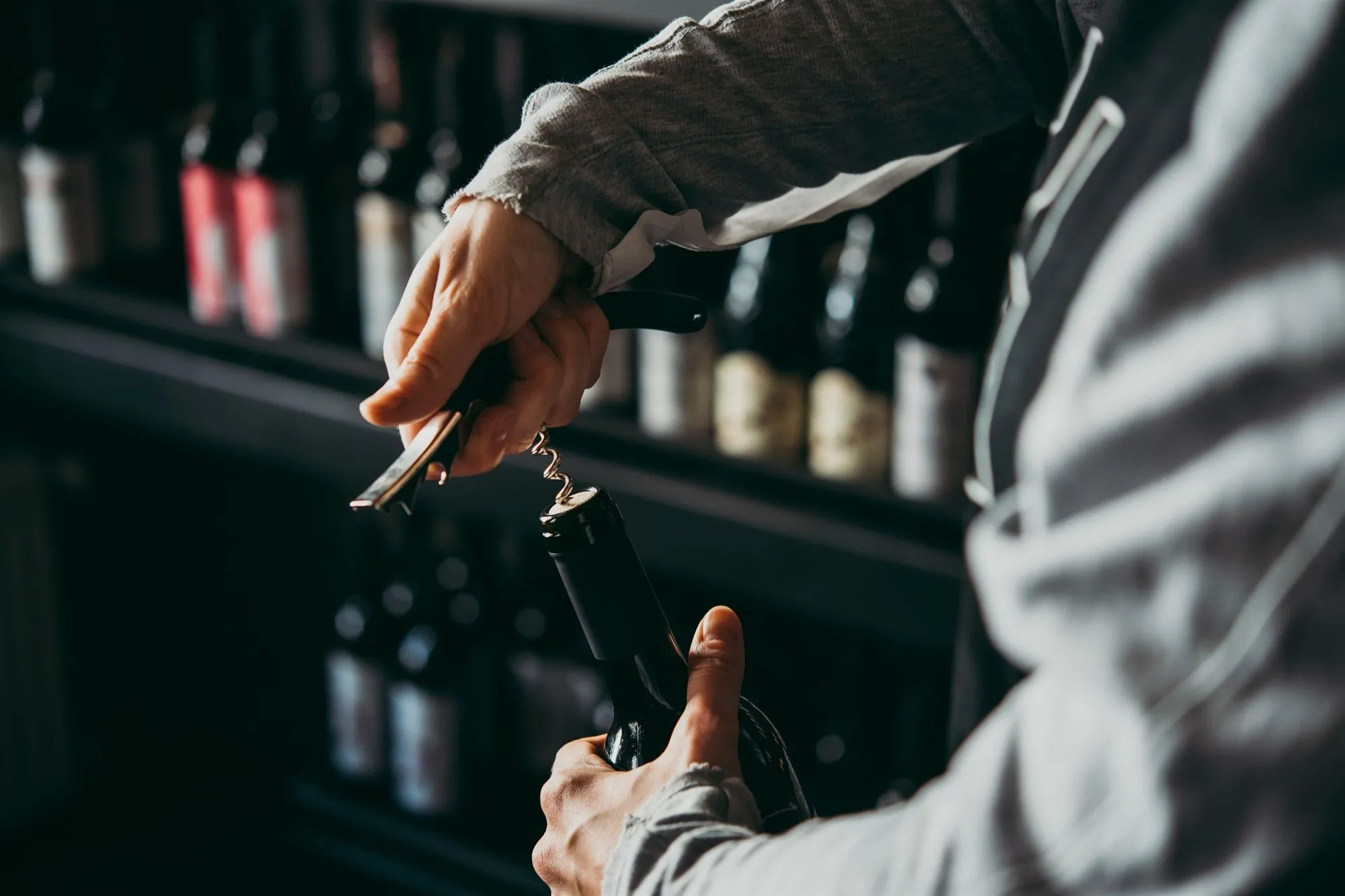
Wine has this astonishing ability to turn an ordinary conversation into a passionate debate. All it takes is a bottle on the table for opinions to start going round.
“It’s a bit young, isn’t it?”
“I think it’s very good.”
“Yes, but wait five years, you’ll see.”
Someone mentions the tannins. Someone else talks about terroir. A third insists he drank exactly the same wine last summer, but that it was completely different. And the person who simply wanted a glass wonders when they will be able to start drinking.
What is amusing is that these conversations are often born of genuine enthusiasm. We love telling others what we have discovered. A bottle can remind us of a journey, an encounter, a memorable tasting. It can make us want to pass on knowledge that has captivated us.
But between sharing a discovery and explaining to others what they ought to feel, the line is sometimes thin. Especially when nobody had asked for an explanation.
Wine has this strange reputation

Why does wine so easily lead to this kind of situation?
We rarely talk about a plate of pasta with the same solemnity. Nobody usually asks the person next to them to justify why they prefer tagliatelle to penne.
With wine, things get complicated.
There are classifications, appellations, celebrated vintages, tasting methods and a whole vocabulary that can give the impression you need to have studied before daring to give your opinion. Add to that a long social history: wine has been associated with refinement, culture, distinction and sometimes status.
Knowing about wine can then become a way of showing that we belong to a certain world.
Knowledge we acquired out of curiosity can turn, without our realising it, into a small display of authority. And since wine is shared, that display easily finds its audience.
What if we have all been that person?

It would be too easy to smile at the one who corrects everyone. Because we have probably all, in one field or another, played that role.
Who has never interrupted a conversation to add a detail nobody was waiting for? Who has never begun a sentence with “Actually…”, with that quiet satisfaction of having the right answer?
Wine does not have a monopoly on these little moments of vanity. It simply offers them particularly fertile ground.
And the more we learn, the stronger the temptation can become. We discover a region, then a grape variety, then a particular winemaking technique. We begin to recognise aromas, compare styles, understand why two wines made from the same grape can be so different. It is fascinating, and that knowledge deserves to be shared.
But by always wanting to explain, we risk forgetting to listen.
There is something rather paradoxical in this: we can know a great deal about wine and still miss what the person next to us is experiencing in their glass.
“Are you sure you like it?”

This may be the strangest thing you can say to someone who has just told you they enjoy a wine.
“Are you sure?”
As if pleasure had to be checked. As if a sensation could be corrected by knowledge.
Of course, we can be wrong about a grape variety, a region, a production method or a technical characteristic. But when someone says they like a wine, they are telling us about their experience, and that experience belongs to them.
They may enjoy a very acidic wine, while we prefer round textures. They may love the oaky aromas we find too present. They may be moved by a simple wine served on a special evening, more than by a prestigious bottle tasted in ideal conditions.
This does not mean that all wines are technically equal. It means that the quality of a wine and the pleasure it gives are not quite the same question.
We can discuss the first.
We cannot decide the second on someone else’s behalf.
The one who says nothing
There is another character around the table. We notice him less.
He listens to the descriptions, nods politely and keeps his impressions to himself. Perhaps he does not have the words. Perhaps he is afraid of being wrong. Or perhaps he simply has no wish to talk about wine that evening.
After hearing the others mention black fruit, spices, minerality or a lingering finish, he may end up thinking that his own sensation is of little interest.
Yet he may have noticed something nobody else perceived. A smell that reminds him of a garden, a sensation of freshness, an impression hard to name but perfectly real. Something that matches none of the descriptions heard around the table, and that deserves just as much attention.
What if we simply asked him:
“And you, what do you think?”
Without expecting a learned answer, without correcting his words, without turning his hesitation into an exercise. We might be surprised by what came into the conversation.
The art of asking a question rather than giving an answer
There is a huge difference between saying:
“This wine lacks acidity.”
And asking:
“Don’t you find it a little rounder than the last one?”
In the first case, we assert. In the second, we invite a comparison.

Both approaches can have their place, but around a table, the second often opens more doors. We can say why a wine appeals to us, explain what intrigues us, share something about its origin, while accepting that someone else may feel something different.
The pleasure of tasting does not lie in everyone reaching the same conclusion. It can arise precisely from our differences, from those little surprises that come when we discover that the people beside us have not had the same experience as we have.
“Funny, I’m getting citrus, more than anything.”
“Really? It reminds me of pear.”
And there it is: a conversation beginning.
Not a contest.
An exploration, together.
Knowing a lot, and leaving room

The people with a great knowledge of wine are not necessarily the ones who talk the most. Their curiosity keeps growing with each new experience, as they discover how much sensations vary, how much wines can surprise and how much there is still to learn.
They no longer need to turn every bottle into a demonstration. They can explain when asked a question, then return to the conversation, the meal, the people present.
Because wine is not always the main subject.
Sometimes it accompanies a birthday, a reunion, an impromptu evening or a dinner that goes on and on because nobody wants to leave. It is part of those little moments when we share more than what is in our glasses.
And that is just as it should be.
We do not need to comment on every sip to give it value.
The best connoisseur at the table
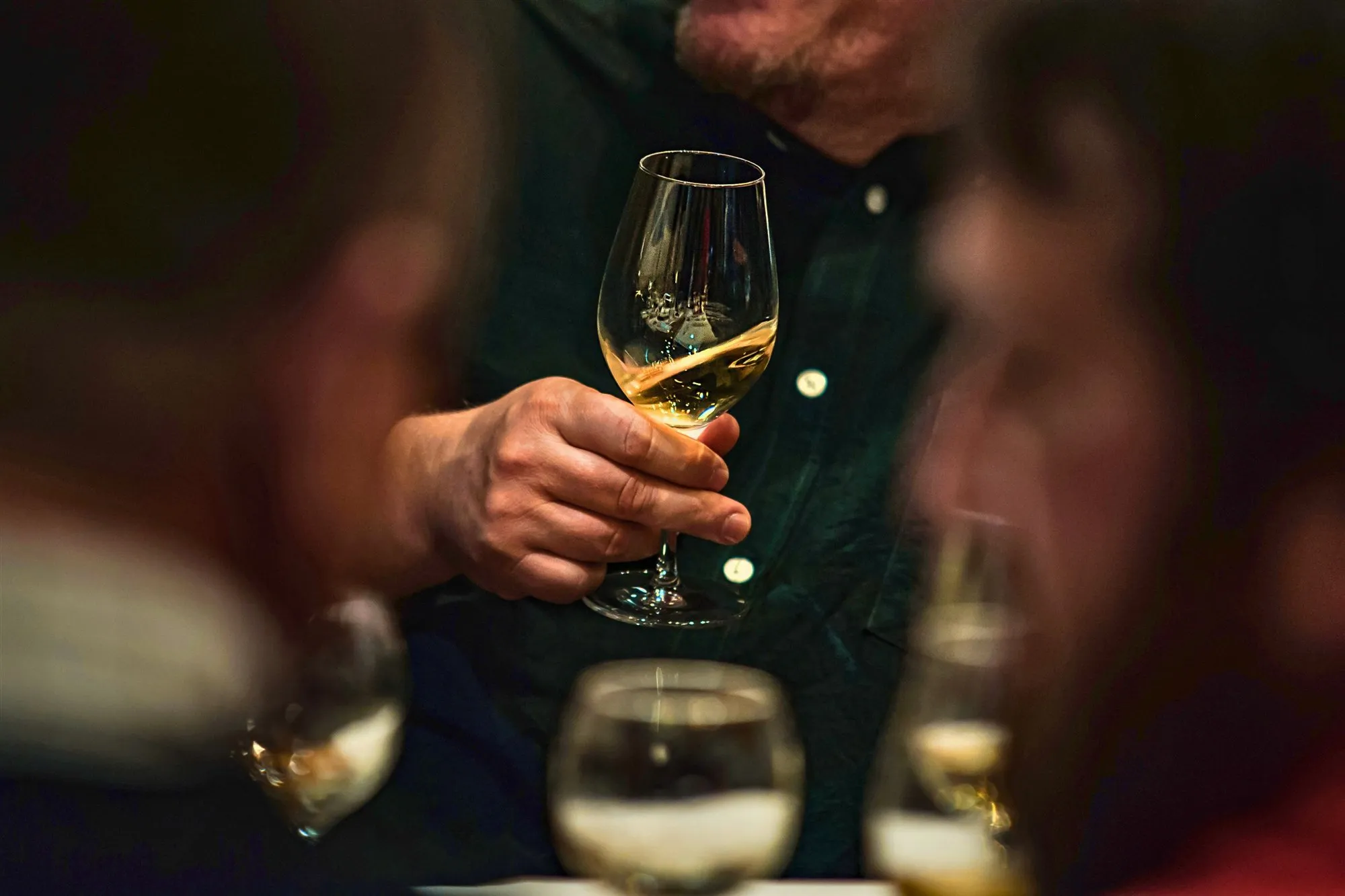
In the end, the one who knows best is perhaps not the one who identifies a grape variety blind the fastest, nor the one who knows the price of every bottle, nor even the one who finds the most precise words.
Perhaps it is the one who knows when to share what they know, when to ask a question and when to let others discover for themselves. The one who can hear “I don’t like it” without trying to convince, welcome an “I don’t know” without seeing it as a weakness, and laugh at their own certainties too.
I love the idea that a table can bring together passionate enthusiasts, beginners, curious minds and people who are not particularly interested in wine, without anyone having to defend their place.
Knowledge can enrich these moments. It can open horizons, give words to our sensations, introduce us to landscapes and stories. But it becomes truly precious when it circulates freely, when it nourishes conversation instead of interrupting it.
So the next time someone opens a bottle and we feel that irresistible urge to begin with “Actually…”, perhaps we could wait a few seconds.
Taste.
Listen.
And simply ask:
“So, what do you think?”
After all, the finest compliment we can pay a wine is perhaps not to show everything we know about it, but to see how many conversations it can spark.
Alexandra Baudon · International sommelier and wine educator
The Journal letter
Once a month: new stories from the Journal, something to try at home and a little news from the workshop.
Thank you! The next letter will be waiting in your inbox.