

The first sip
The moment wine meets our expectations.
Before we even taste a wine, we have already imagined what it will be. Then comes the first sip, the moment our expectations meet our senses and an unexpected discovery sometimes begins. · wine taste perception · first wine tasting · sensory expectations · blind tasting · psychology of taste · wine perception · The first sip Before we even taste a wine, we have already imagined what it will be. Then comes the first sip, the moment our expectations meet our senses and an unexpected discovery sometimes begins. wine taste perception first wine tasting sensory expectations blind tasting psychology of taste wine perception
Before we even taste a wine, we have already imagined what it will be. Then comes the first sip, the moment our expectations meet our senses and an unexpected discovery sometimes begins.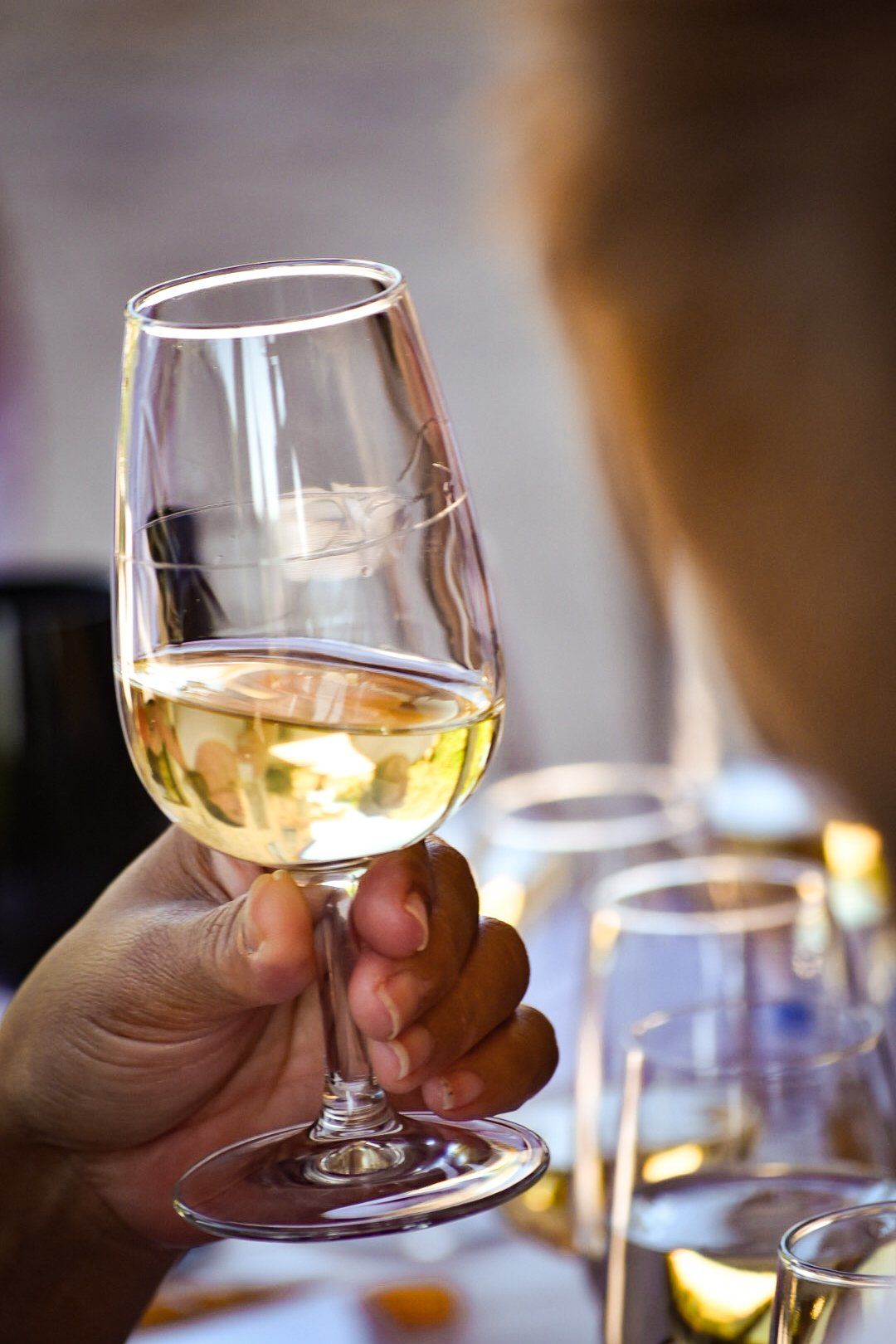
There is that moment, just before raising the glass to our lips.
We have looked at the wine. Perhaps taken the time to smell its aromas. Someone has told us about its origin, its grape variety, the winemaker who made it.
Or perhaps we know absolutely nothing about it.
And yet, even before the first sip, something has already taken shape in our mind.
An expectation.
We imagine a light or a powerful wine, fresh or generous, familiar or surprising. Sometimes we also hope to find again a sensation we once loved.
Then the glass touches our lips.
And the wine begins to answer us.
Before tasting
We like to think that our judgement begins the moment we taste.
In reality, our perception is prepared long before.
The colour of the wine gives us first clues. Its scent suggests others. The name of a region, a label, a price or the words of the person serving us can also influence what we anticipate.
A red wine with a deep colour sometimes seems more powerful before we have even tasted it.
A very pale white may make us imagine freshness, lightness, a certain liveliness.
These associations are not always right.
But they exist.
Our brain does not passively receive information from our senses. It interprets it in the light of what we know, what we have lived and what we expect to discover.
Research on sensory perception shows that our expectations can influence the experience itself, not just the words we later use to describe it.
It is one of the reasons why a blind tasting can be so revealing.
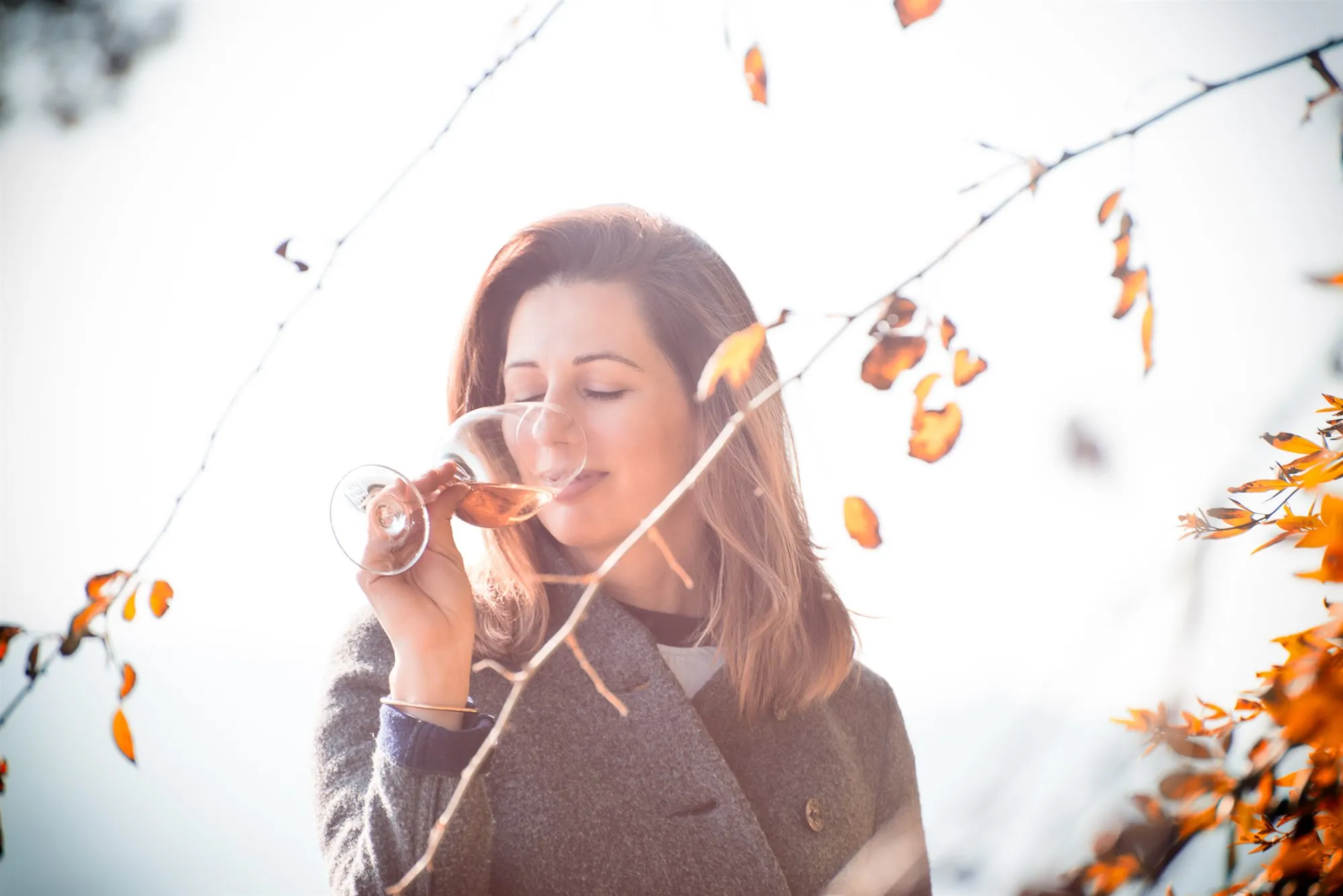
When the label disappears, some of our usual landmarks disappear with it.
The wine has not changed.
But the way we approach it can.
The encounter
And then comes the first sip.
The freshness of an acidity we did not expect. A texture softer than imagined. A tannic sensation that surprises. An aroma that reveals itself differently than on the nose.
In a few moments, our expectations meet new sensations.
Sometimes everything matches.
The wine seems exactly as we had imagined it.
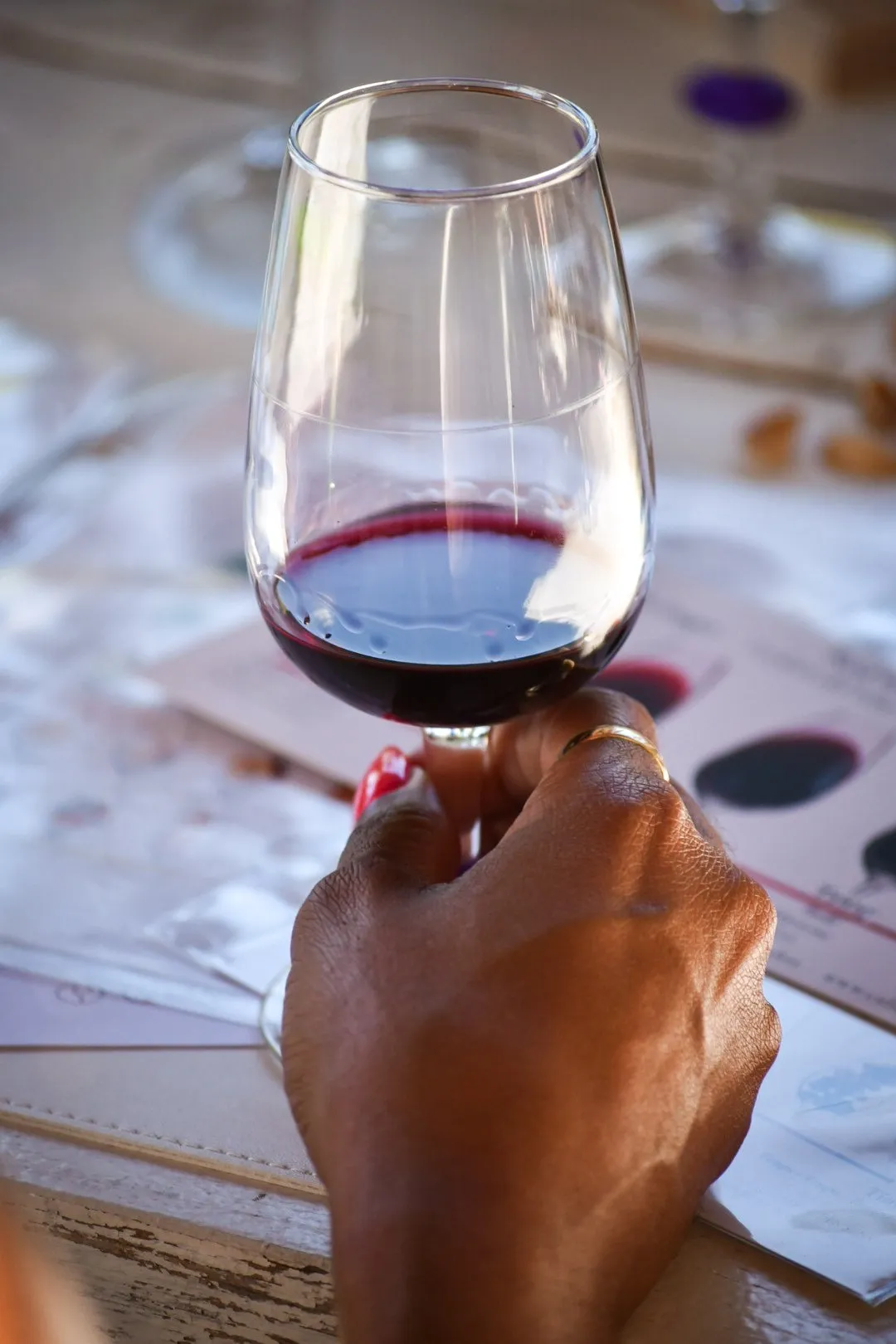
At other times, something puzzles us.
We thought we would discover a full, generous wine; it turns out taut, almost austere. We expected something light; the palate surprises us with its substance.
This gap between what we anticipated and what we perceive can change how much we enjoy it.
But the first sip is not a verdict.
It is an encounter.
The palate discovers several dimensions at once: flavours, tactile sensations, temperature, texture, and the aromas perceived retronasally, when volatile compounds travel up to the nose from the mouth.
All of this forms an overall impression, often hard to put into words straight away.
That is why, in my workshops, I invite participants not to look too quickly for the right words.
To let the sensations come first.
To notice what surprises them, what they like, what makes them wonder.
Before explaining, there is something to welcome.
After the first sip
The second sip is not always like the first.
Not because the wine has necessarily changed, but because we are no longer discovering it in quite the same conditions.
We now know something about it.
An acidity that surprised us can become a landmark. A bitterness that first puzzled us can blend into the overall balance. A discreet aroma can hold more of our attention.
Our sensations can also change with the wine’s temperature, its aeration, what we have just eaten or the way our senses adapt.
So it would be too simple to put all these differences down to our mind.
But attention plays an important part.
With the first sip, we discover.
With the next, we can compare.
Then, little by little, we begin to recognise.
It is a movement I particularly love to watch during tastings: the shift from an immediate impression to a more nuanced perception.
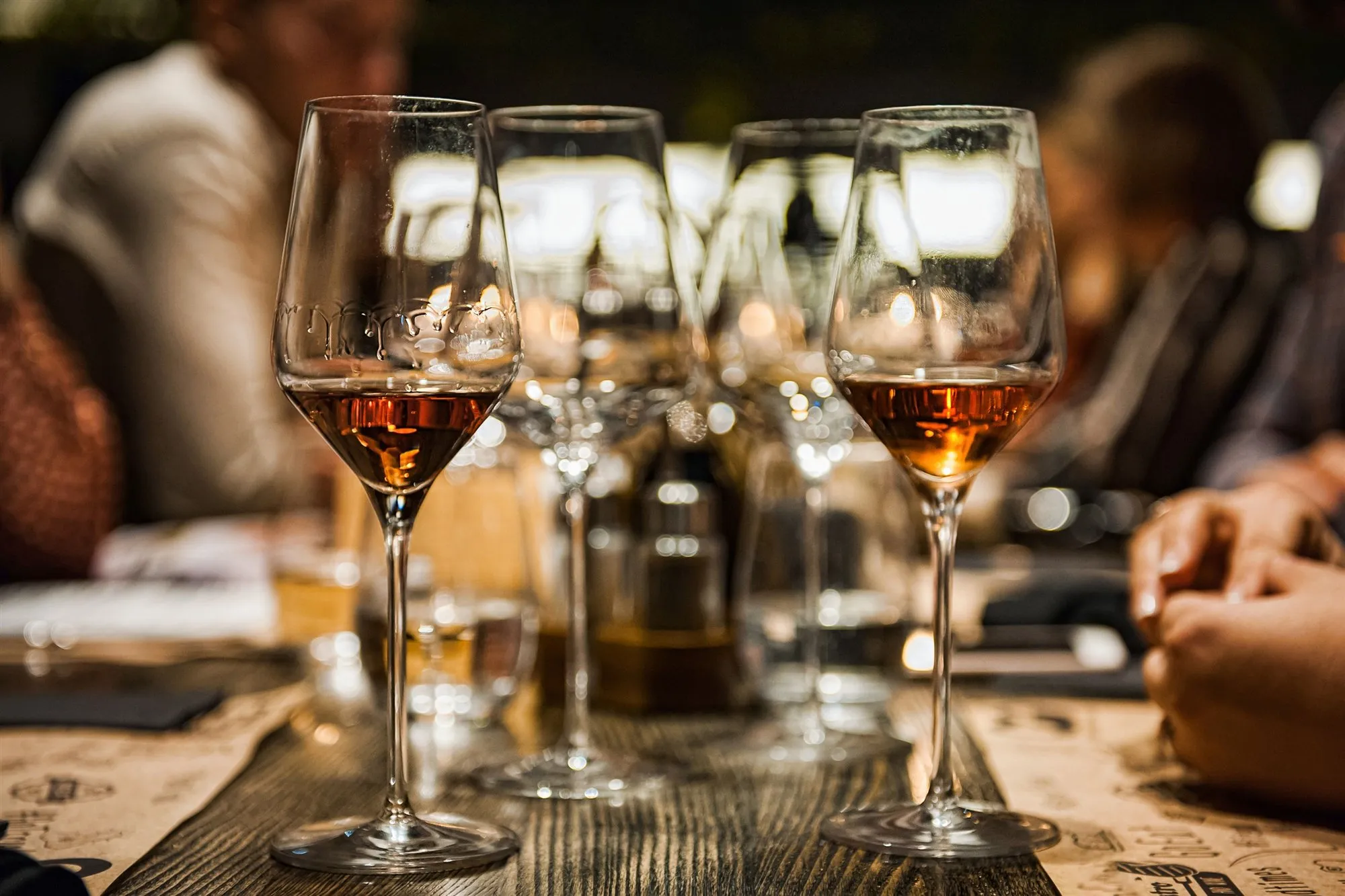
A participant who simply said “it’s acidic” begins to tell a pleasant freshness from a sharper sensation.
Another, who found a wine too tannic, gradually notices its texture, its length, or the way the sensations evolve.
It is not about convincing anyone to like what they do not like.
Sometimes a wine surprises us less by what it is than by the reaction it stirs in us.
Why does this sensation bother me? Why do I want to find a familiar aroma? Why am I reluctant to discover something that does not resemble my habits?
These questions gradually go beyond wine.
They invite us to observe our expectations, our preferences, our curiosity, and even certain limits we have set ourselves without really realising it.
The glass does not hold up a mirror to our personality. It offers us a moment to look at what is happening within us.
And this attention can teach us as much about the way we taste as about the wine itself.
What we bring to the glass
We never taste in a complete vacuum.
There is the place, the moment, the people around us.
There is our mood, our attention, our memories.
A wine discovered at a meal with friends will not necessarily be experienced in the same way during a silent tasting, with several glasses lined up in front of us.
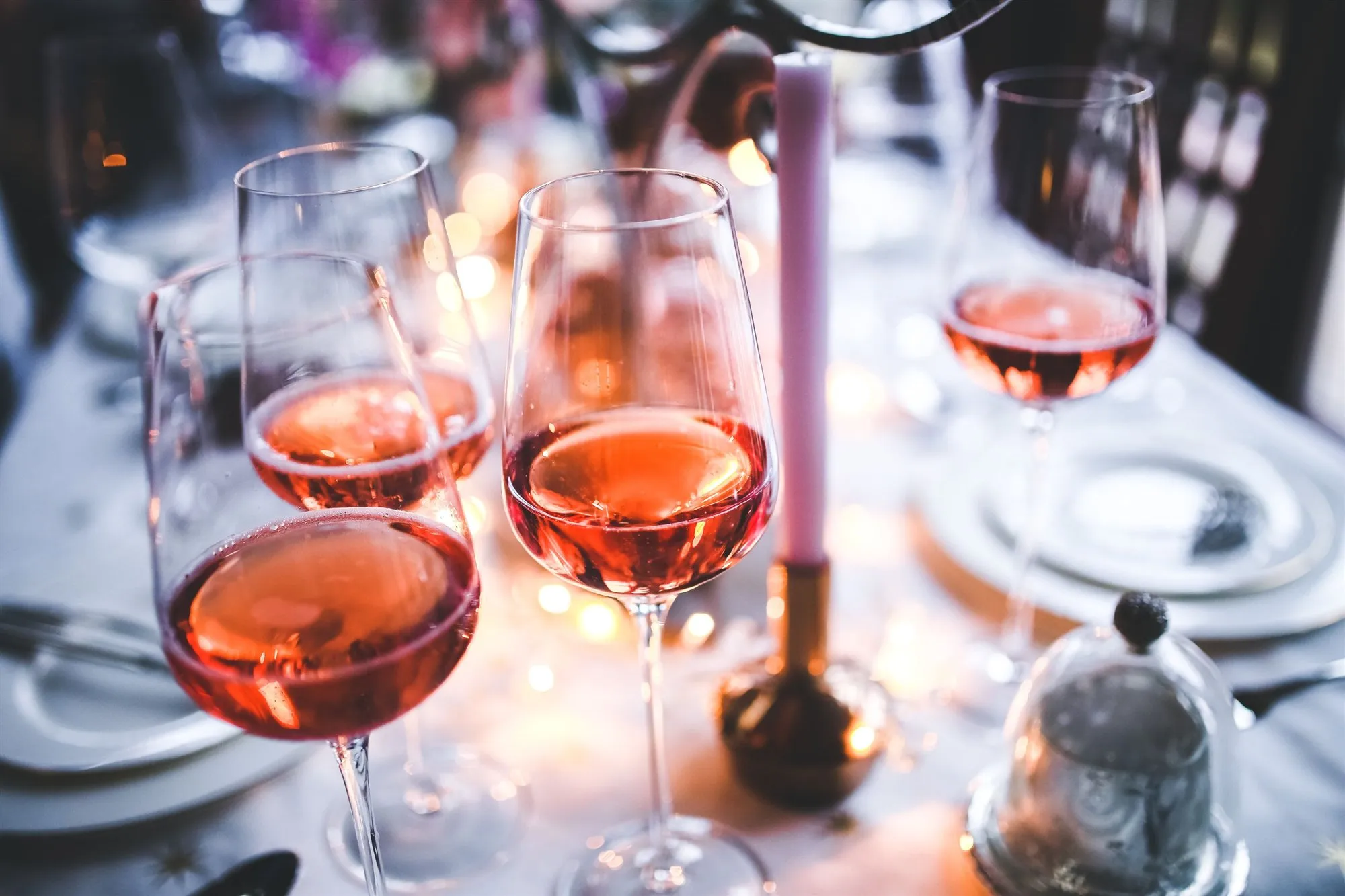
This does not mean that everything is subjective.
Acidity, tannins, alcohol and aromatic compounds have a physical and chemical reality.
But our experience of wine is born of the encounter between these characteristics and our perception.
We can recognise high acidity without enjoying it. We can find a wine balanced without taking any particular pleasure in drinking it.
And we can love a wine without being able to explain why straight away.
There is no contradiction.
Tasting is not only identifying sensations.
It is also discovering our relationship with them.
Giving discovery a chance
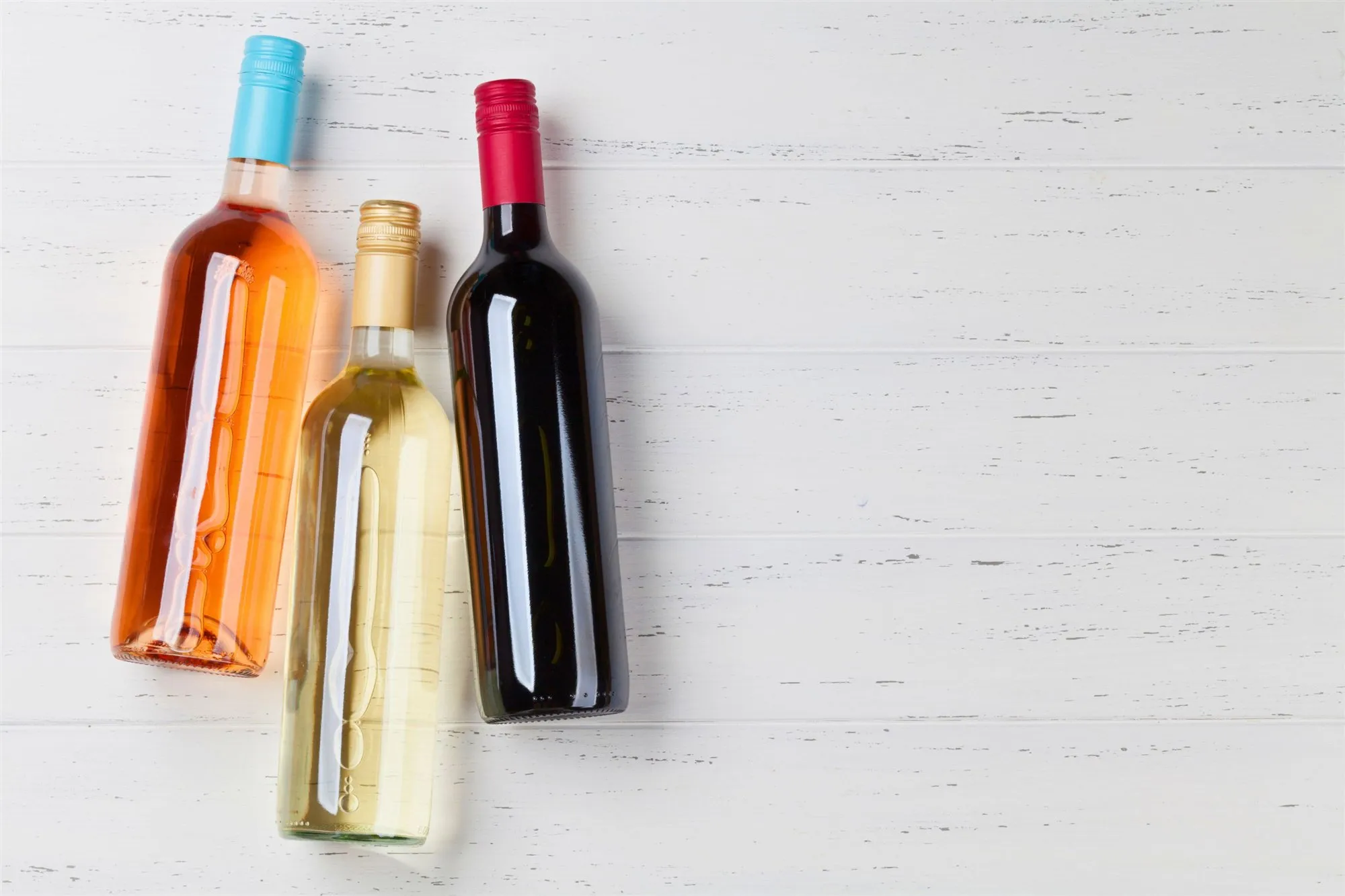
In my workshops, I often meet people who already have a very precise idea of what they like.
“I don’t like white wines.”
“Powerful reds aren’t for me.”
“I prefer fruity wines.”
These preferences are legitimate. They have been built through experience.
But they do not say everything about what we might enjoy.
A grape variety can take on very different expressions depending on its origin and how it is made. A wine can surprise us with its balance, even when it belongs to a family we thought we did not like.
The first sip can then open a door.
Not always.
Some wines do not appeal to us, even after several tries. And there is no reason to force that encounter.
But when a first impression intrigues us rather than charms us, taking the time for a second look can be enough to change our view.
Curiosity does not oblige us to love. It simply allows us to stay open.
A moment that belongs to us alone
The first sip has something unique about it.
It is never repeated exactly.
Even when we return to a wine we know, we meet it at another moment, in another context, with one more experience behind us.
We may recognise its aromas, find its balance again, anticipate certain sensations.
But there is always a part of the unexpected.
Perhaps that is also why I so love sharing wines in tastings.
Not to announce in advance what everyone ought to feel.
But to let that moment exist when expectations meet the senses, when a certainty can be shaken, when a new curiosity appears.
Before the first sip, we have an idea of the wine.
After it, we have begun to get to know it.
And sometimes, the most beautiful discovery is not the wine itself, but what it teaches us about the way we perceive.
Alexandra Baudon · International sommelier and wine educator
The Journal letter
Once a month: new stories from the Journal, something to try at home and a little news from the workshop.
Thank you! The next letter will be waiting in your inbox.