

Why do we love some wines and not others?
The same wine does not tell the same story to everyone.
The same wine does not tell the same story to everyone. Sensitivity, physiology, experience: understanding why our preferences differ, and learning to know your own. · wine preferences · Vinotypes · Tim Hanni · taste perception · sensitivity to bitterness · Why do we love some wines and not others? The same wine does not tell the same story to everyone. Sensitivity, physiology, experience: understanding why our preferences differ, and learning to know your own. wine preferences Vinotypes Tim Hanni taste perception sensitivity to bitterness
The same wine does not tell the same story to everyone. Sensitivity, physiology, experience: understanding why our preferences differ, and learning to know your own.
During my sommelier training in Italy, I was asked which wines I preferred.
My answer was sincere: I love them all. Light whites as well as more structured ones, reds, rosés, sparkling wines. I have no exclusive preference.
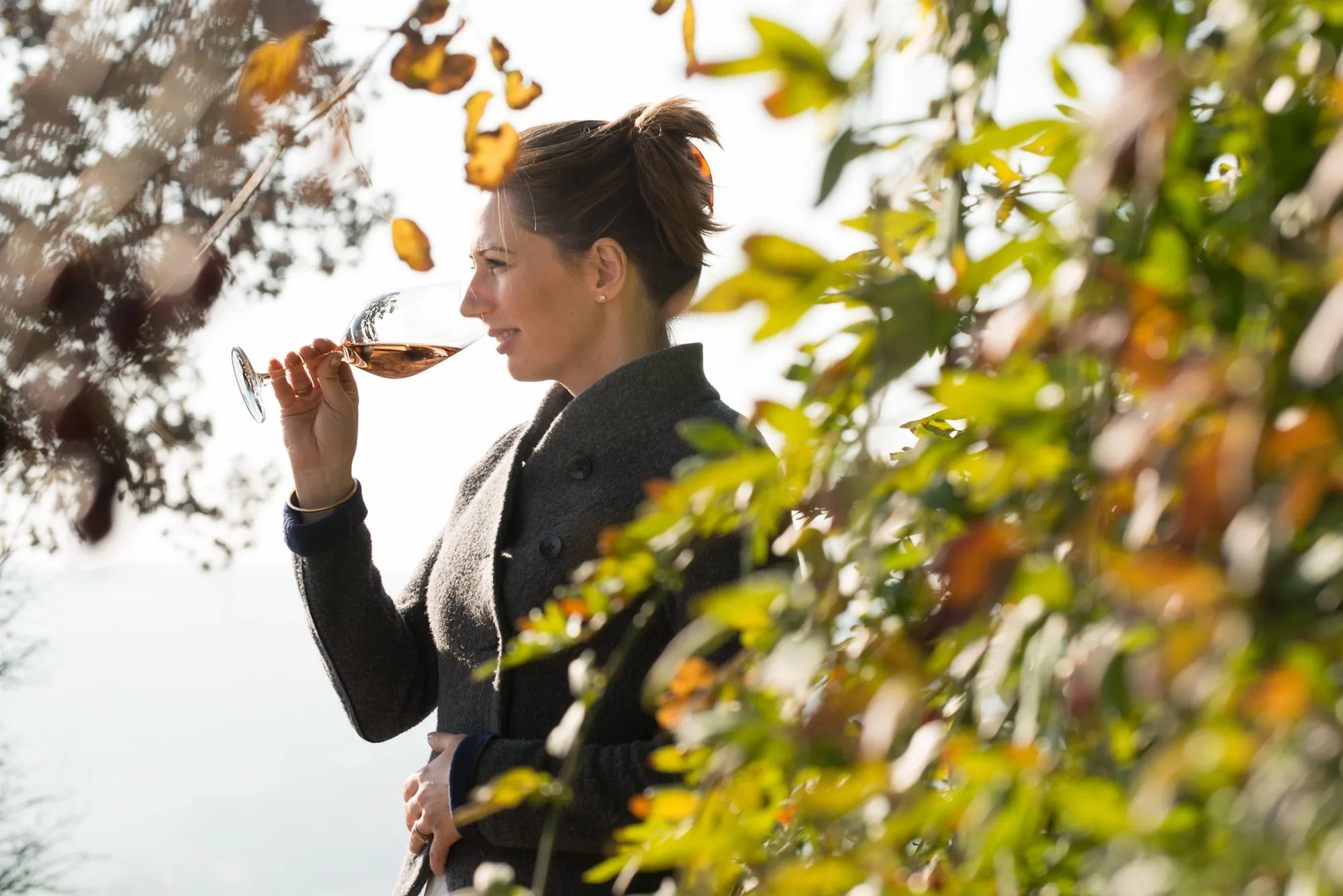
That question stayed with me for a long time. Was it really possible to enjoy such different styles of wine without a marked preference?
In 2014, while studying Wine Business Management at Sonoma State University in California, I discovered the teachings of Tim Hanni.
They profoundly influenced the way I share wine.
We do not all have the same preferences
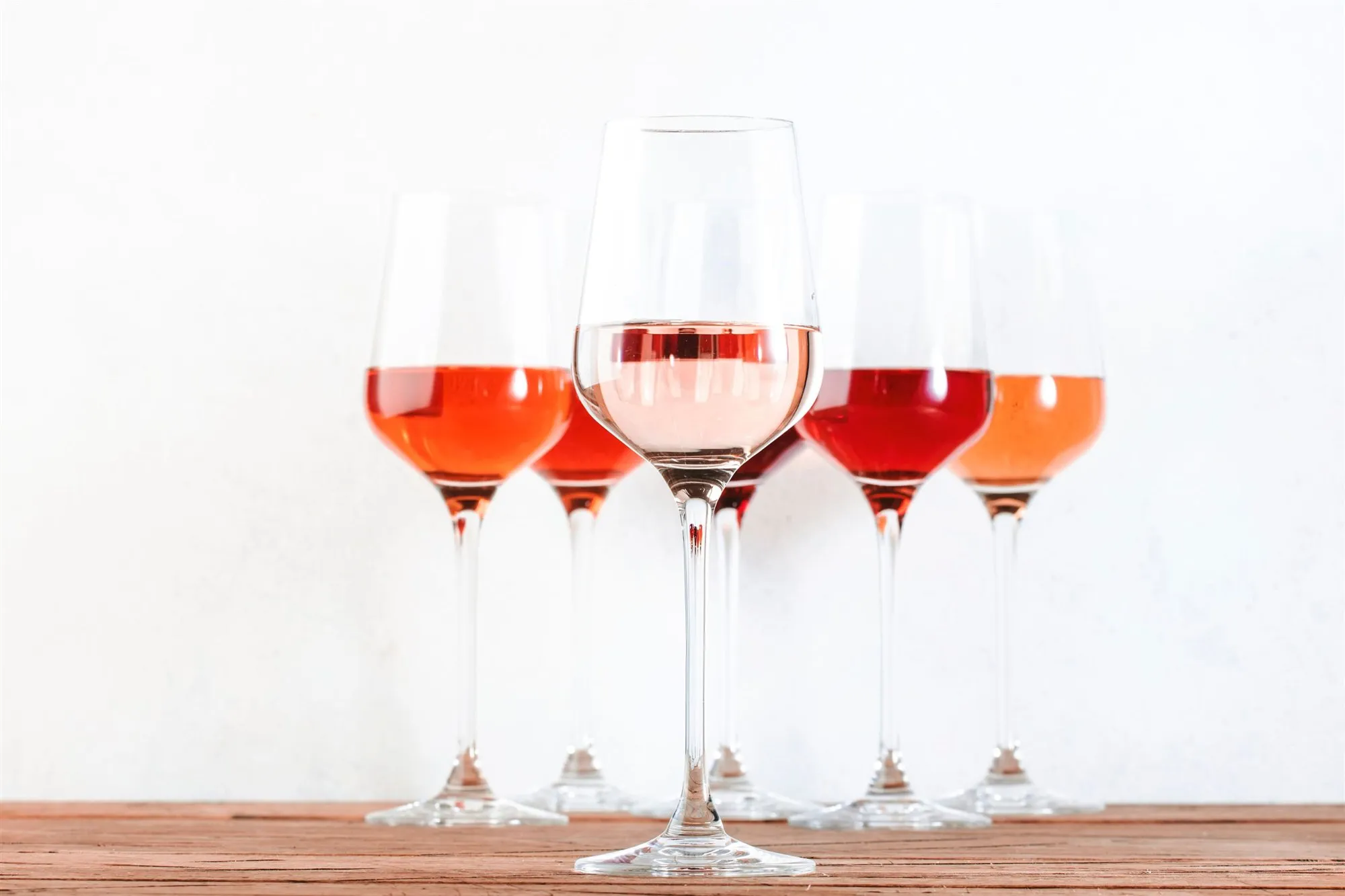
Tim Hanni, Master of Wine and author of Why You Like the Wines You Like, defends a simple idea: our taste preferences are not solely the result of our upbringing or our knowledge. Our sensory sensitivity also plays a part. He proposes four broad profiles, which he calls Vinotypes.
Sweet tasters are drawn to sweetness and are particularly sensitive to bitterness or astringency. Hypersensitive tasters feel certain sensations intensely and often favour delicate, aromatic wines with few tannins. Sensitive tasters, in the middle of the scale, are especially curious and open to a wide range of styles, from light, fresh wines to more generous, structured ones. Finally, Tolerant tasters, less sensitive to bitterness and astringency, often enjoy powerful, full-bodied wines.
It was in the Sensitive profile that I recognised myself. This approach struck me as deeply true: at last it gave meaning to something I had felt for a long time.
Vinotypes nevertheless remain a framework proposed by their author, not a universally validated physiological classification. But they open a fascinating question: why can two people experience the same wine so differently?
Our physiology influences our perception
We share the same broad sensory abilities, but their sensitivity varies from one person to another.
Take bitterness. Some people are particularly sensitive to it, notably because of genetic differences affecting certain taste receptors. Others perceive it less intensely.
The warmth of alcohol, acidity or the astringency of tannins can also be felt with different intensities.
A red rich in tannins may seem pleasantly structured to one person, yet leave another with too pronounced a drying sensation.
Likewise, lively acidity can be perceived as stimulating freshness or, on the contrary, as too sharp.
Our saliva also plays a part in the way we feel astringency.
And our sense of smell has its own particularities. One Australian study showed that around one in five of its participants could not detect rotundone, a molecule responsible for the peppery notes found in some Syrahs.
Faced with the same glass, two people therefore do not always perceive the same aromas.
Contrary to a widespread idea, the number of taste buds is not enough to determine our taste sensitivity, which relies on far more complex mechanisms.
Our physiology does not, on its own, determine the wines we love. It does, however, help explain why the same tasting can provoke very different reactions.
Wine can be described; pleasure is lived
A wine may have high acidity, a significant amount of tannin or a marked level of alcohol. These characteristics can be measured and described.
But the pleasure they give remains personal.
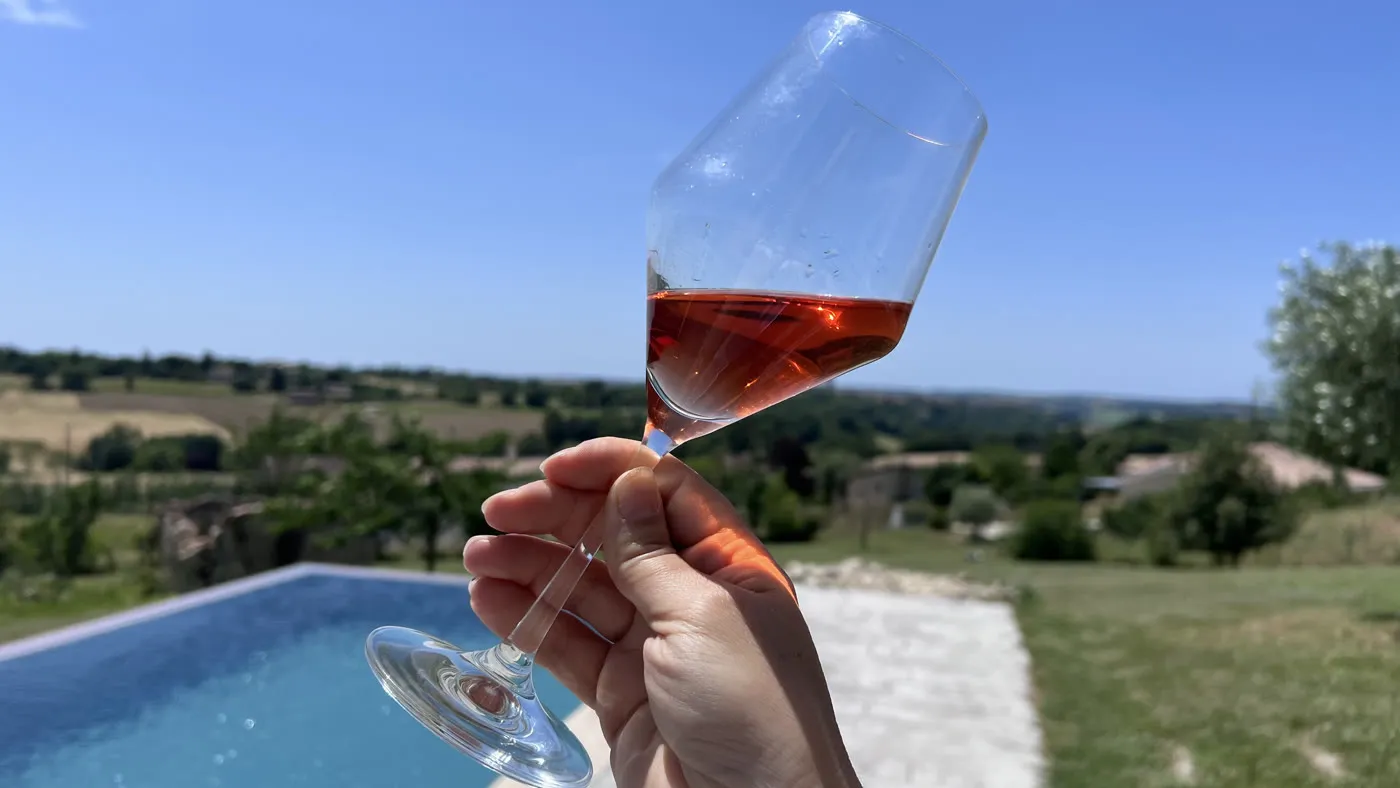
Two people may both recognise that a wine has a clear-cut acidity and react in completely different ways.
One will enjoy that liveliness. The other will look for more roundness.
Neither needs to change their preferences to conform to the other’s judgement.
It is a distinction I love to share during my tastings: learning to recognise a wine’s qualities does not mean you are obliged to like it.
You can understand its structure, recognise its balance, appreciate the winemaker’s work, and still prefer another style.
A wine can be very well made without matching our personal tastes.
Our experiences shape our tastes too
Physiology does not explain everything.
The foods we grew up with, the scents of our surroundings, our cultural habits and our personal experiences all help build our preferences.
A familiar sensation may be immediately pleasant to one person and surprising to another.
Our sensory memory plays a part in these associations. A smell can evoke a fruit, a kitchen, a season or a particular memory.
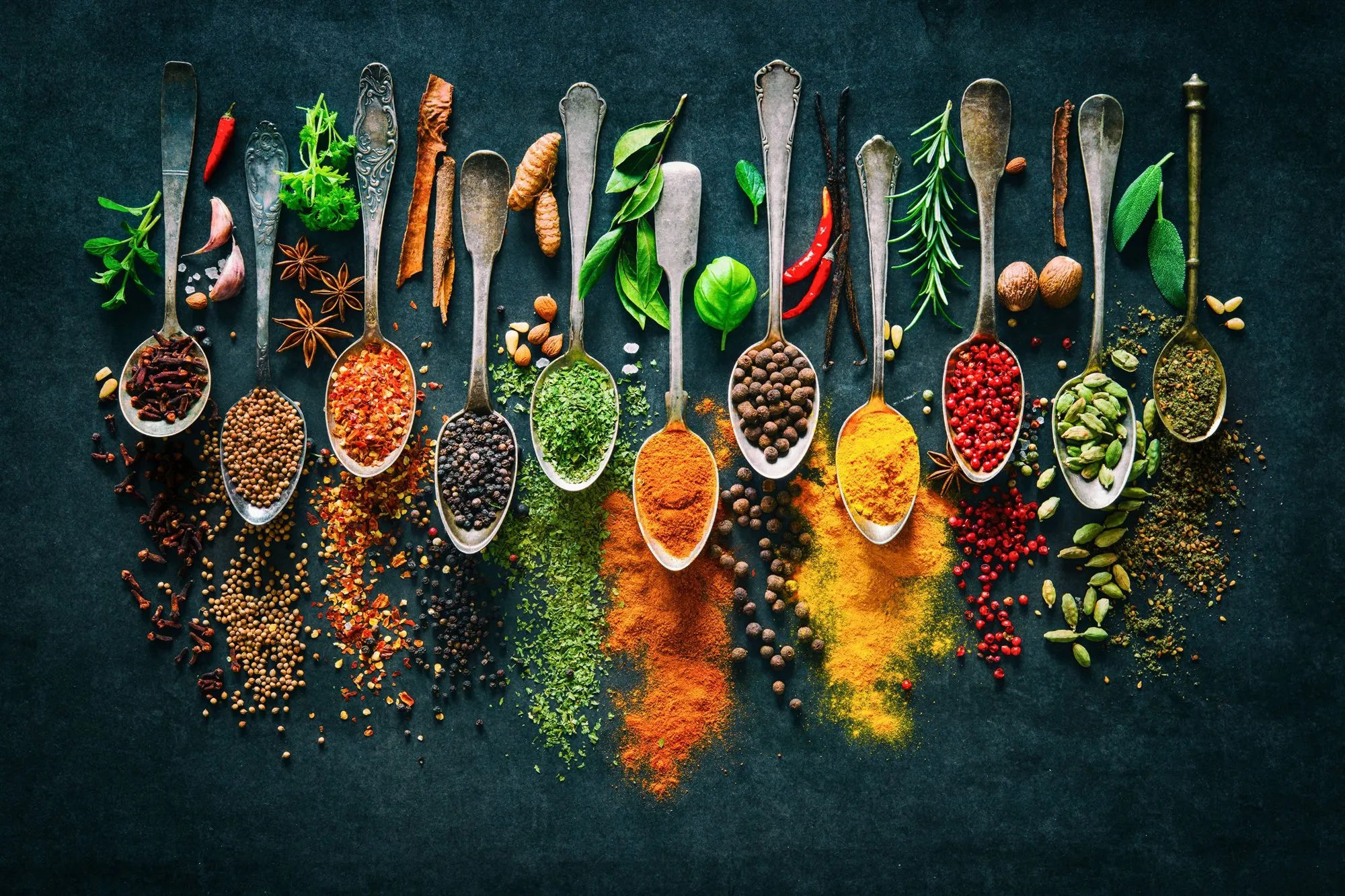
And our preferences are not necessarily fixed.
With experience, we learn to distinguish sensations that once seemed hard to identify. We discover different styles, we compare, we refine our perception.
Some tastes evolve. Others remain very stable.
What matters is not trying to love ever more complex or powerful wines, as though there were some compulsory progression.
It is understanding better what gives us pleasure.
Getting to know your own tastes
In my workshops, I often remind participants that we do not share the same preferences.
Some love the liveliness of a very fresh white. Others look for the enveloping texture of a rounder wine. Some appreciate the structure of tannins, while others prefer supple, delicate reds.
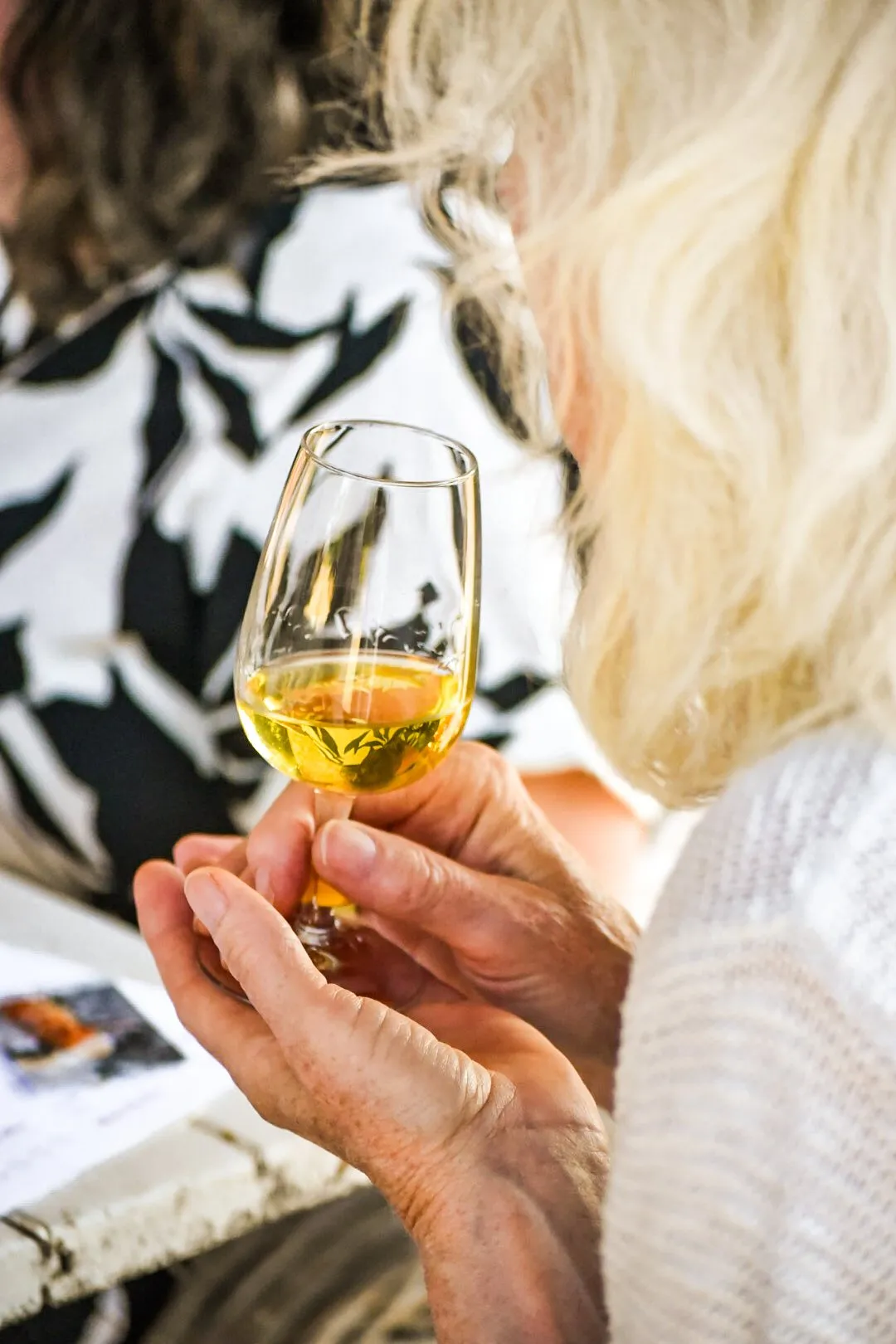
And it is just as possible, like me, to love very different expressions.
Rather than wondering which wine you ought to enjoy, ask yourself what you really like.
Is it freshness? Sweetness? A full texture? Present or discreet tannins? Delicate or intense aromas?
By gradually identifying these sensations, you will better understand your preferences and be able to choose your wines with greater confidence.
That is also what I wanted to express in the first pages of the Calice des Sens booklet:
“The same wine does not tell the same story to everyone.”
Because learning to taste does not mean learning to love the same wines as everyone else.
It means discovering what we perceive, understanding what we like, and accepting that the pleasure of wine can take different forms for each of us.
Alexandra Baudon · International sommelier and wine educator
The Journal letter
Once a month: new stories from the Journal, something to try at home and a little news from the workshop.
Thank you! The next letter will be waiting in your inbox.
Sources and references
- Tim Hanni, Why You Like the Wines You Like, 2013.
- Garneau N. L. et al., “Crowdsourcing taste research: genetic and phenotypic predictors of bitter taste perception as a model”, Frontiers in Integrative Neuroscience, 2014.
- Pickering G. J. and Hayes J. E., “Influence of biological, experiential and psychological factors in wine preference segmentation”, Australian Journal of Grape and Wine Research, 2017.
- Allen A. L., McGeary J. E. and Hayes J. E., “Polymorphisms in TRPV1 and TAS2Rs associate with sensations from sampled ethanol”, Alcoholism: Clinical and Experimental Research, 2014.
- Wood C. et al., “From wine to pepper: rotundone, an obscure sesquiterpene, is a potent spicy aroma compound”, Journal of Agricultural and Food Chemistry, 2008.