

What is a grape variety? Understanding what gives a wine its identity
“How can wines be so different? After all, it’s just grapes!” · what is a grape variety · grape variety definition · white and black grape varieties · indigenous grape variety · international grape variety · ampelography · single-varietal wine · blend · grape variety and appellation · What is a grape variety? Understanding what gives a wine its identity “How can wines be so different? After all, it’s just grapes!” what is a grape variety grape variety definition white and black grape varieties indigenous grape variety international grape variety ampelography single-varietal wine blend grape variety and appellation
“How can wines be so different? After all, it’s just grapes!”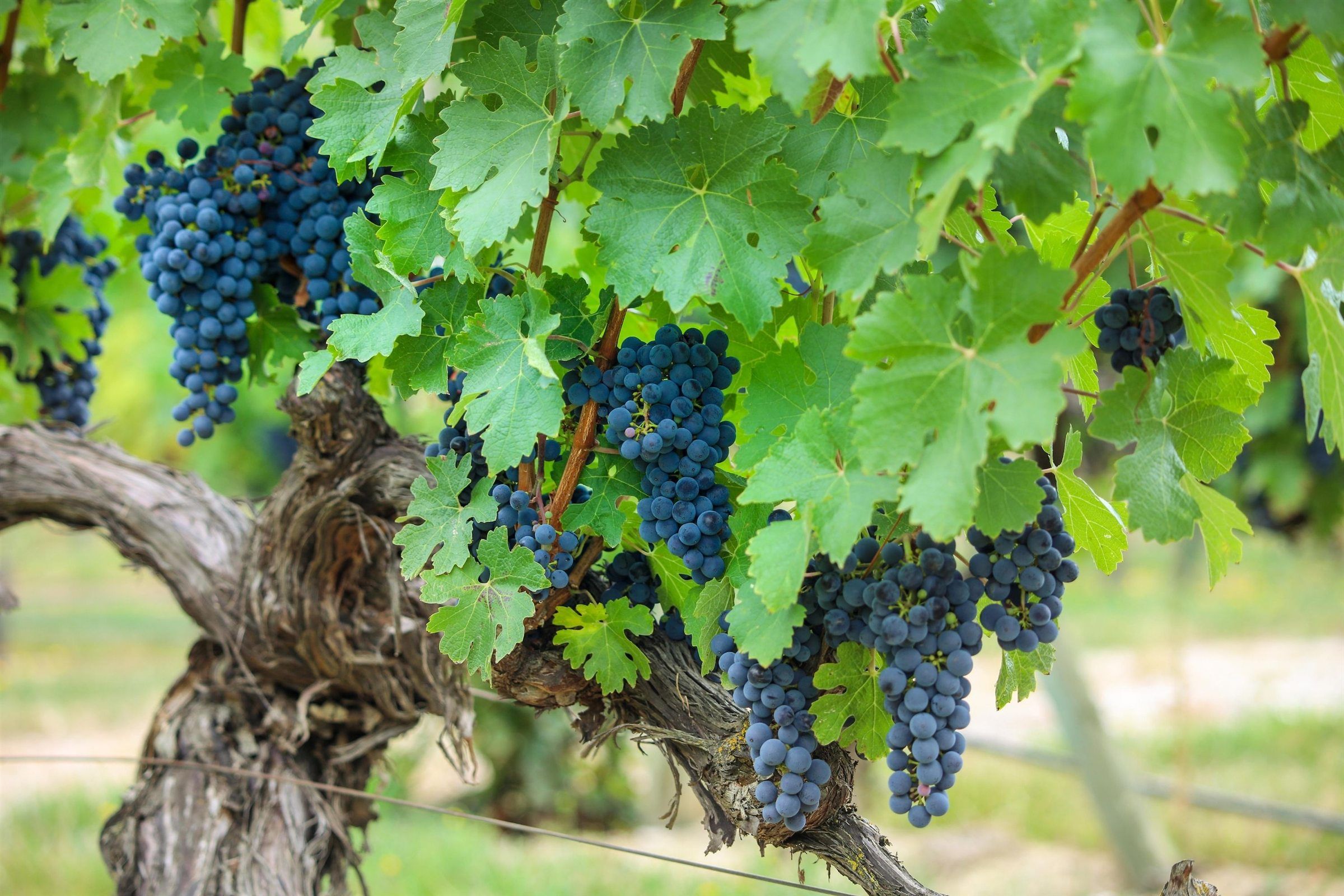
“How can wines be so different? After all, it’s just grapes!”
I was asked this question during one of my tastings. And I find it a particularly interesting one.
Because behind this apparent obvious truth lies an extraordinary diversity.
We are always talking about grapes, of course. But not all grapes are the same.
Think of apples. A Granny Smith, a Golden Delicious and a Reinette are all apples. Yet their colours, textures, acidity and flavours can be very different.
It is much the same with grapes.
A Chardonnay, a Riesling or a Sauvignon Blanc do not have exactly the same characteristics. And when these grapes become wine, their differences can become even more pronounced under the influence of climate, soil, ripeness and winemaking choices.
This is where an essential notion for understanding wine comes in: the grape variety.
Behind every wine, a grape
A grape variety is a variety of vine grown to produce grapes.
Chardonnay, for example, is a white grape variety. Merlot is a black grape variety. Each has its own traits: the shape of its bunches, the size and colour of its berries, its ripening cycle, or its sensitivity to climatic conditions.
These differences influence the way the vine grows, the way the grapes ripen and, ultimately, the wine that can be made.
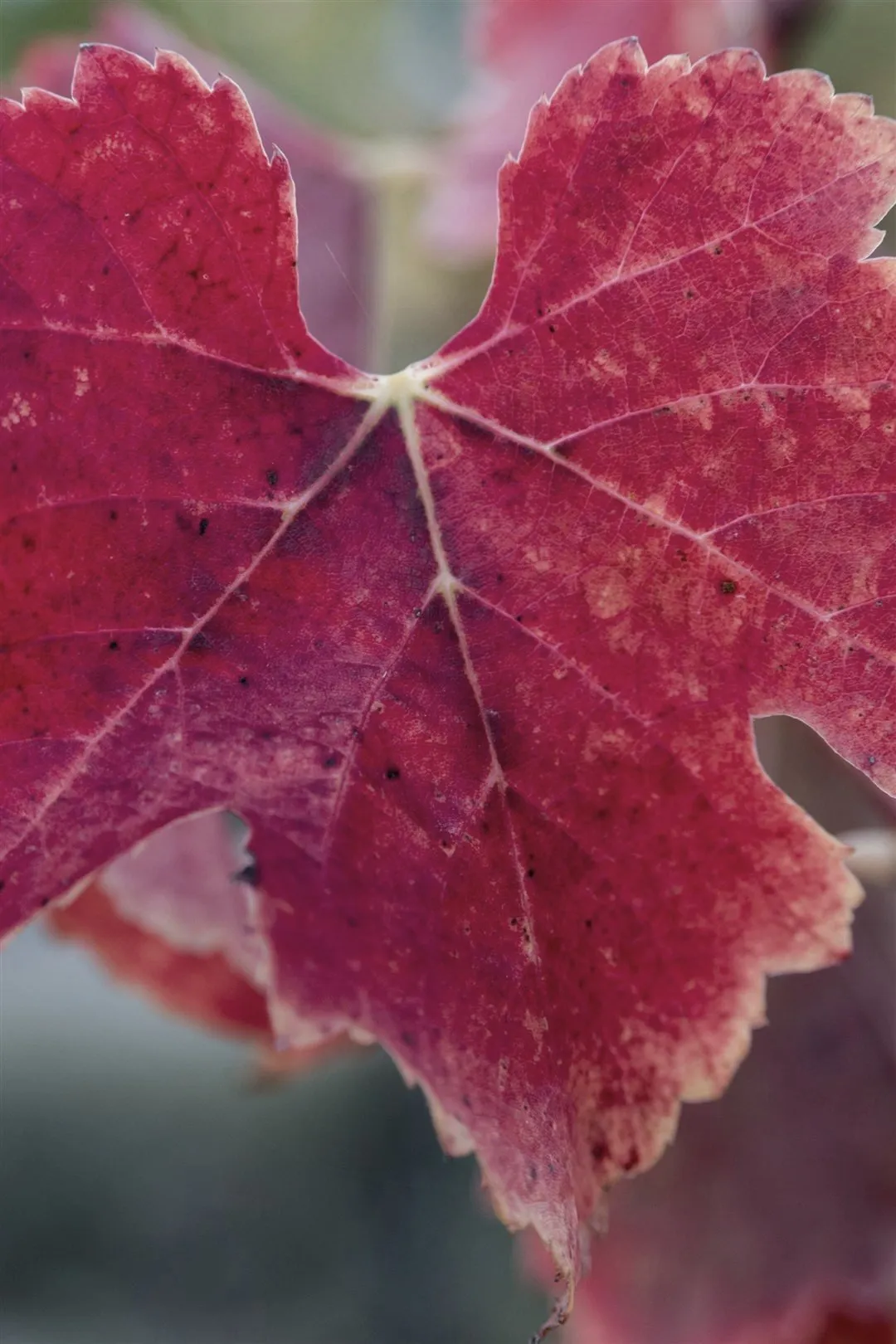
The study and identification of vine varieties has a name: ampelography.
This discipline relies in particular on observing the leaves, bunches, berries and other features of the plant. Today, genetic analysis complements these observations and helps us understand the family ties between grape varieties.
But knowing the name of a grape variety is not enough to know the wine it will produce.
One grape variety, many expressions
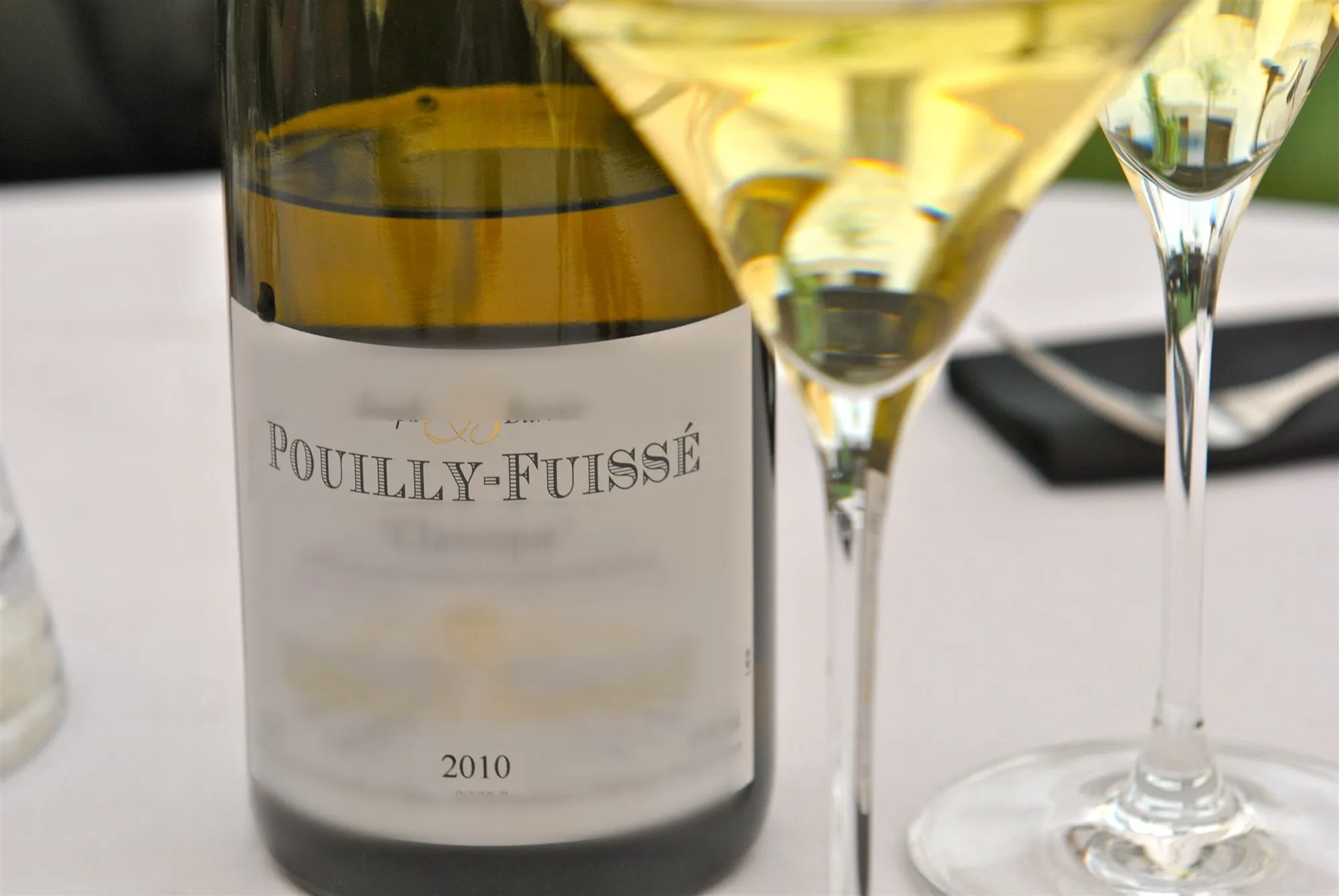
Take Chardonnay.
It is an excellent example, because it is grown in many regions of the world.
In Chablis, in Burgundy, it can give white wines marked by freshness, citrus, green apple and lively acidity.
In warmer regions, such as parts of Languedoc, it can develop a riper profile, evoking peach or yellow-fleshed fruit, with a more pronounced sense of roundness.
And depending on winemaking and ageing choices, it can also show buttery, toasty or oaky nuances.
Yet it is always the same grape variety.
Climate, soils, the ripeness of the grapes, the vintage and the winemaker’s work all help shape its expression.
I like to use this comparison in tastings, because it conveys an essential idea: knowing a grape variety is not about memorising a single taste. It is about learning to recognise a family of expressions.
White and black grape varieties
Grape varieties are generally distinguished by the colour of their grapes.
White grape varieties usually have light-skinned berries, green, yellow or sometimes pinkish, as with Gewurztraminer or Pinot Gris.
Black grape varieties, such as Pinot Noir, Syrah or Grenache, bear dark-skinned berries, red, purple or almost black.
But the colour of the grape does not, on its own, determine the colour of the wine.
The pulp of most black grapes is clear. The colour of red wines comes mainly from the pigments in the skins, extracted during maceration.
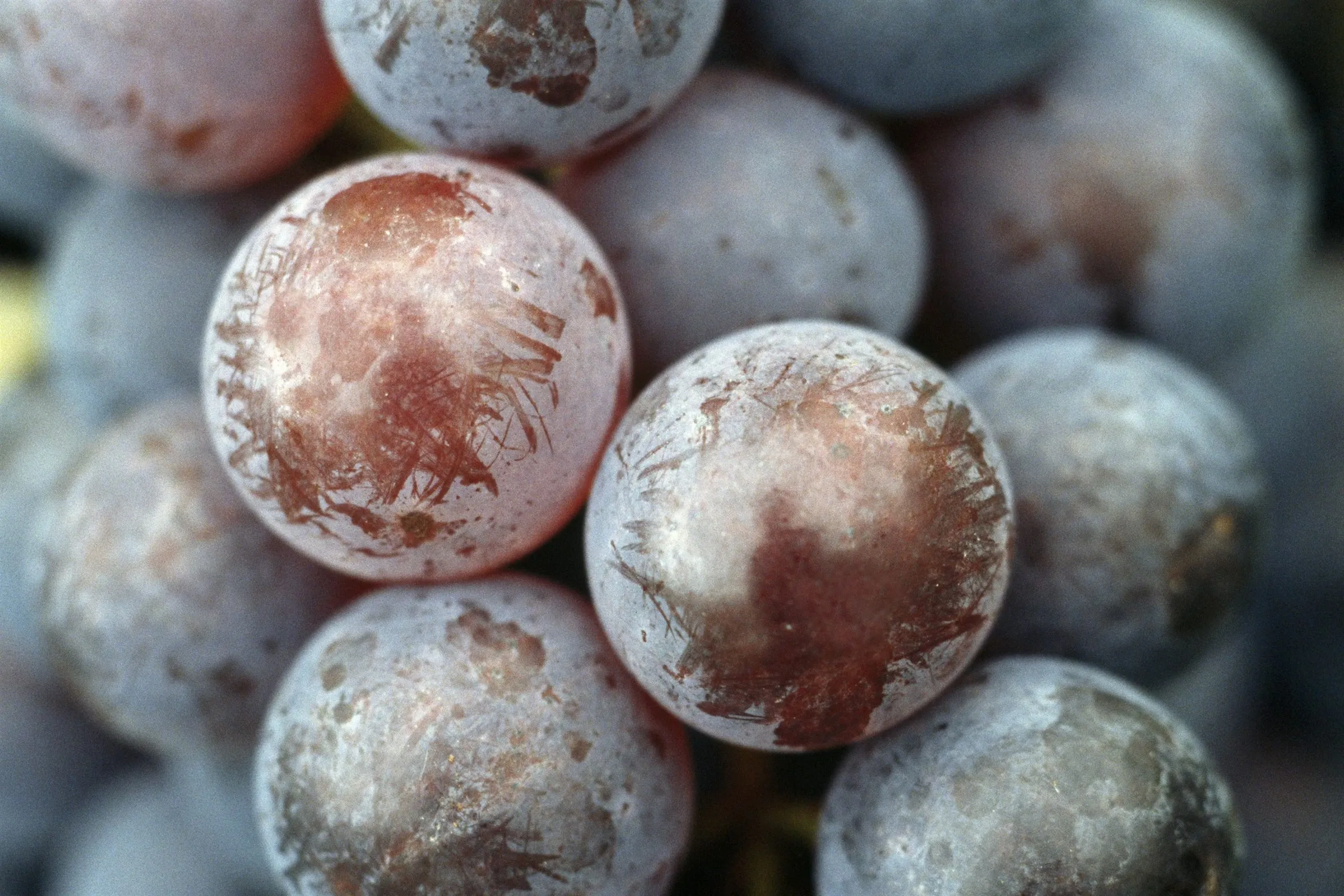
That is why it is possible to make a white wine from black grapes, notably in some sparkling wines.
Rosés hold a particular place: their colour depends mainly on how long and in what conditions the juice is in contact with the skins of black grapes, rather than on a specific grape variety.
Behind the three colours of wine lie very different winemaking choices.
Grape variety and region: two pieces of information to tell apart
Here is another difficulty often met by people who are starting to take an interest in wine.
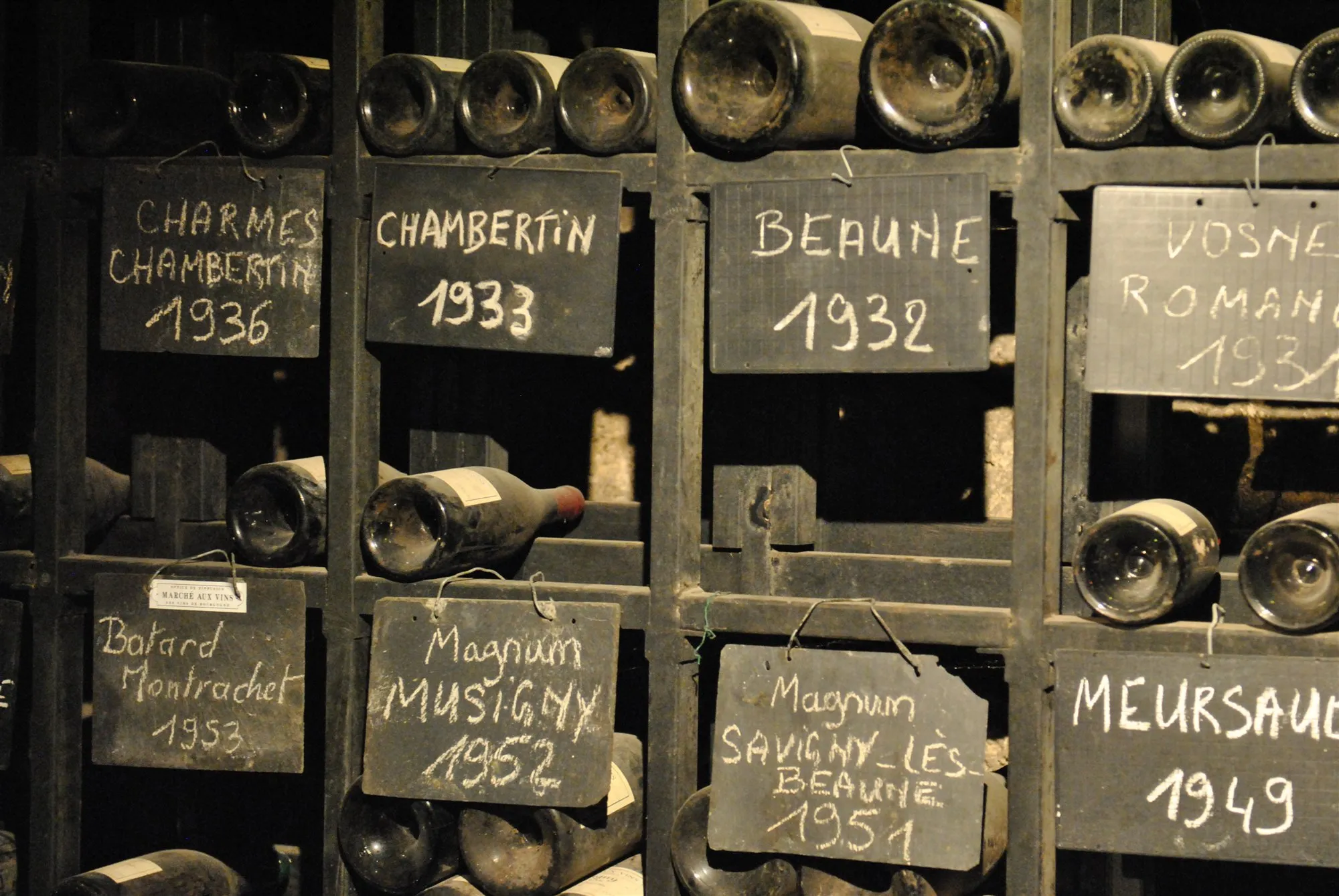
On some bottles, the grape variety is clearly stated: Chardonnay, Malbec, Sauvignon Blanc…
On others, we read instead Chablis, Sancerre, Chianti or Rioja.
These names do not all mean the same thing.
Chardonnay is a grape variety. Chablis is a Burgundy wine appellation whose white wines are made from Chardonnay.
Sangiovese is an Italian black grape variety. Chianti is a Tuscan appellation wine made mainly from this grape, according to precise rules.
So the grape variety tells us about the variety of grape; the appellation tells us about an origin and a framework of production.
In Europe, many labels traditionally highlight the geographical origin. In several New World countries, the name of the grape variety often takes a more visible place.
This is not an absolute rule, however: Alsace, for example, frequently shows the grape variety on its labels.
Learning a few associations between grape varieties and regions already helps you understand what a bottle is telling you.
Indigenous and international grape varieties
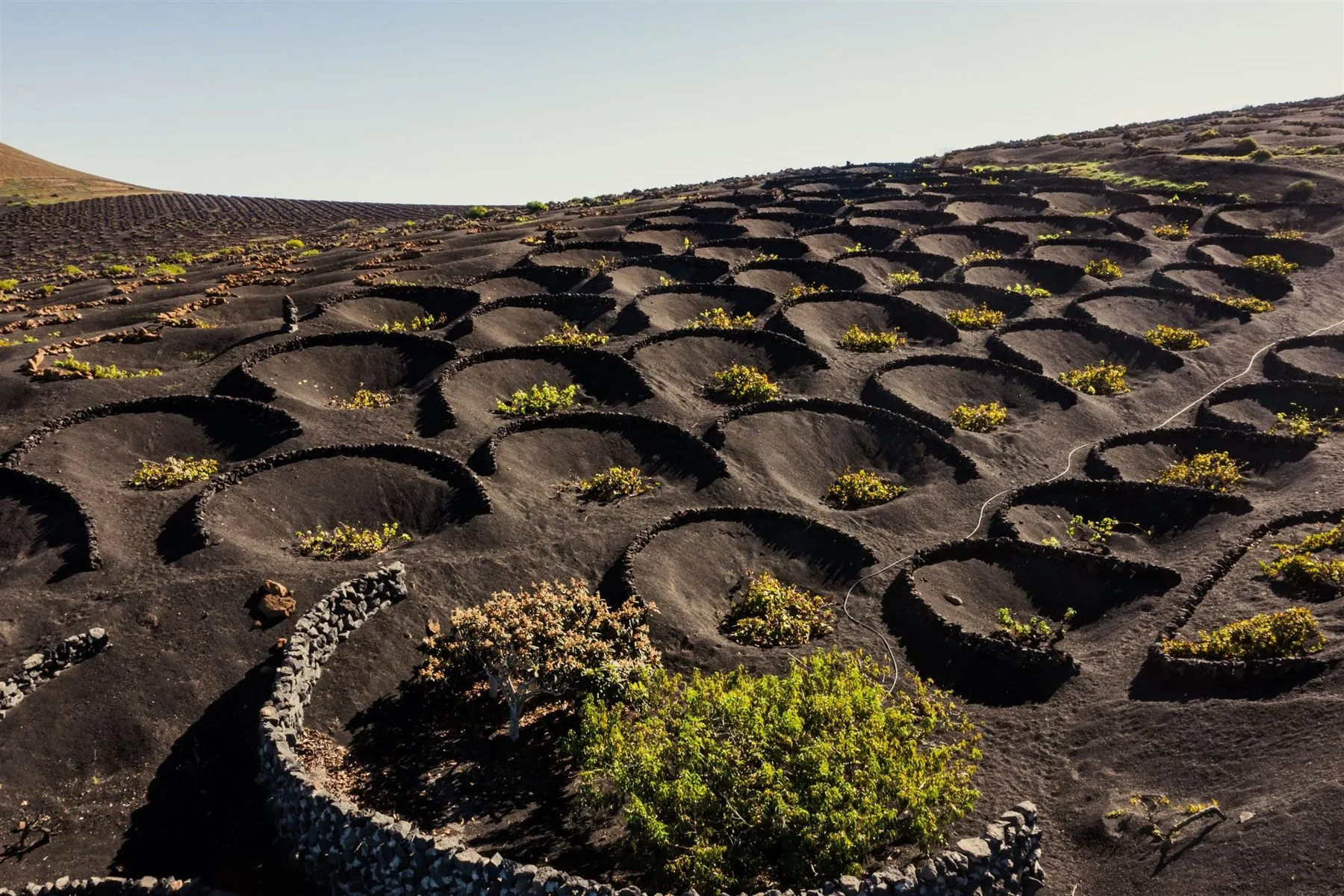
Some grape varieties are closely tied to a region, its history and its winemaking traditions.
They are called indigenous grape varieties when they are considered native to a territory. The term is also sometimes used more broadly for varieties deeply rooted in a local winemaking heritage.
Xinomavro in Greece, Saperavi in Georgia and Sciaccarellu in Corsica illustrate this richness of the world’s vineyards.
Other grape varieties have travelled far beyond their region of origin.
Chardonnay, Cabernet Sauvignon, Merlot and Syrah are now grown in many countries. They are known as international grape varieties.
This distinction is not a ranking of quality. Above all, it tells the story of vine varieties, how they spread and how they adapted to different territories.
An indigenous grape variety can produce wines of very varied expressions. Conversely, an international grape variety can become an essential part of a region’s identity.
And these categories are not strictly opposed: a grape variety can be native to one territory while having gained international renown.
Can a wine contain several grape varieties?
Absolutely.
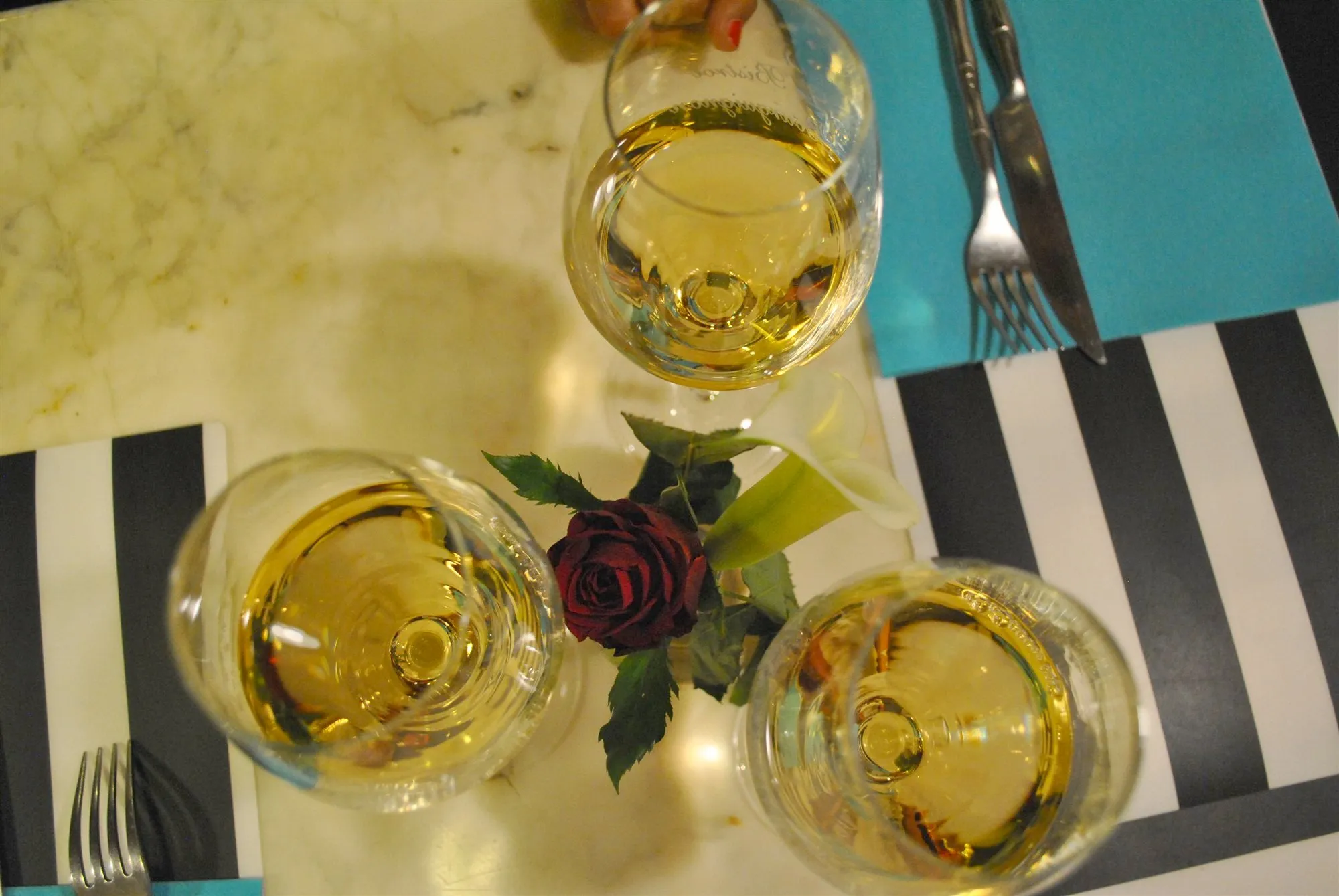
Some wines are made from a single grape variety: these are known as single-varietal wines.
Others combine several grape varieties. This is called a blend.
In Bordeaux, for example, Merlot, Cabernet Sauvignon and Cabernet Franc may be brought together in varying proportions.
Each grape variety brings certain qualities, but the result also depends on their ripeness, their vinification and the winemaker’s choices.
The aim is not simply to add several tastes together. It is to seek a balance, a harmony or a particular style.
A blend is therefore not necessarily more complex or better than a single-varietal wine. They are two different approaches to making wine.
How can you learn to recognise grape varieties?
When you start discovering grape varieties, it is tempting to try to memorise a long list of names, regions and aromas straight away.
I prefer to start differently.
Choose two wines made from the same grape variety, but from different regions.
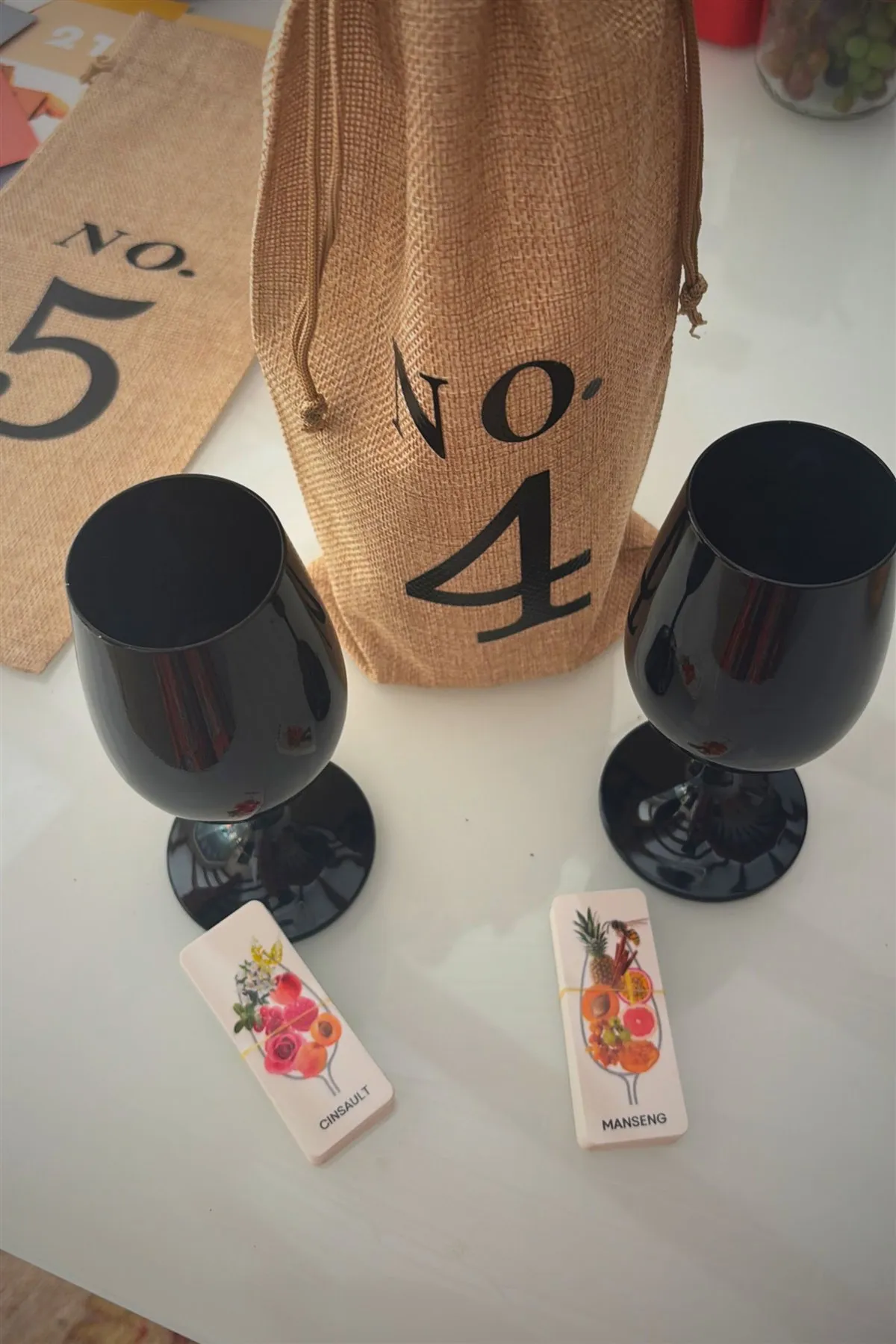
Look at their colour, smell their aromas, compare their freshness, texture and structure on the palate.
You may notice similarities. But it is often the differences that will help you understand.
Then try the opposite experiment: taste two different grape varieties from the same region.
Little by little, landmarks take shape.
Pinot Noir may evoke red fruit and show a relatively delicate structure. Syrah may offer notes of black fruit and pepper, with a firmer structure. Riesling can stand out for its freshness and the diversity of its aromatic expressions.
These are tendencies, never fixed definitions.
A grape variety has a potential, but every wine offers its own interpretation of it.
From grape variety to wine, a whole journey
Knowing grape varieties gradually changes the way we taste.
A name on a label becomes a first clue. It raises an expectation, suggests a possible style, invites us to look for certain characteristics.
Then the wine itself tells us something more: its origin, its vintage, how it was made, how it has evolved.
It is this meeting between landmarks and experience that makes tasting so fascinating.
It is not about recognising every grape variety blind, nor reciting a list of aromas.
It is about understanding what you taste, comparing, refining your perceptions and gradually discovering the diversity of the world of wine.
A grape variety gives a wine part of its identity. Terroir, time and the winemaker’s hand give it its expression.
Alexandra Baudon · International sommelier and wine educator
The Journal letter
Once a month: new stories from the Journal, something to try at home and a little news from the workshop.
Thank you! The next letter will be waiting in your inbox.
The box setIconic Grapes